

Are you wondering if a Cuisinart slicer is right for your kitchen needs? Whether you’re slicing for family meals or running a busy commercial kitchen, choosing the right slicer can make a huge difference.
You want something that fits your daily demands without wasting money or space. You’ll discover the key differences between a Cuisinart slicer made for home use and one built for commercial purposes. By the end, you’ll know exactly which slicer matches your style and workload—making your slicing tasks easier, faster, and more precise.
Keep reading to find the perfect fit for your kitchen!
Cuisinart Slicer Models
The Cuisinart slicercomes in different models for home and commercial use. Home models are smaller, lightweight, and easy to store. They usually have a 7 to 9-inch blade. These slicers work well for slicing cheese, meats, and vegetables for family meals.
Commercial models are bigger and more powerful. They have a 10 to 14-inch bladeto handle large amounts of food quickly. These slicers are made with strong materials to last in busy kitchens. Safety features and easy cleaning are important for commercial use.
| Feature | Home Models | Commercial Models |
|---|---|---|
| Blade Size | 7-9 inches | 10-14 inches |
| Weight | Light and compact | Heavy and sturdy |
| Power | Lower wattage | Higher wattage |
| Use | Family meals | Busy kitchens |
| Cleaning | Simple parts | Easy to clean parts |
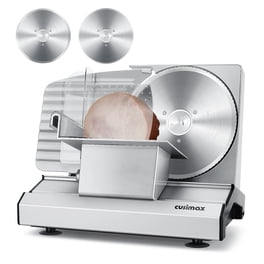
Credit: www.walmart.ca
Key Features To Compare
Key features to compare include blade size, motor power, and safety functions. Home slicers often have simpler designs, while commercial models focus on heavy use and speed. Durability and ease of cleaning also vary between the two types.
Blade Size And Material
Cuisinart slicers have different blade sizes. Home slicers often have smaller blades. Commercial ones use bigger blades for more cutting. Blades are made from stainless steel. Steel blades stay sharp longer.Motor Power And Speed
Home slicers have less motor power. They are designed for light use. Commercial slicers have powerful motors. They slice fast and handle heavy use. Speed settings offer more control.Adjustable Thickness Settings
Both slicers allow you to adjust thickness. Home slicers have basic settings. Commercial slicers offer more precise thickness control. This helps in slicing thin or thick pieces.Safety Features
Safety is important for all slicers. Home slicers have simple safety locks. Commercial slicers have advanced safety features. Guards and covers keep fingers safe. Safety switches prevent accidental starts. `Performance Differences
The cutting precisionof a home slicer is good for everyday use. It can slice vegetables, cheese, and meats evenly. Commercial slicers offer higher precisionfor faster, uniform cuts. They handle large amounts without losing sharpness.
Durability and build quality differ greatly. Home slicers are lighter and use less metal. They suit low to medium use. Commercial slicers are made with stronger materialslike stainless steel. They resist wear and last longer under heavy use.
Ease of cleaning is important for both types. Home slicers often have parts that are easy to remove. Cleaning is simple and quick. Commercial slicers need regular cleaningto meet health standards. Some have parts designed for fast disassembly and deep cleaning.

Credit: www.amazon.com
Usage Scenarios
Cuisinart slicers suit both home kitchens and small commercial settings. Home models offer ease and safety, while commercial ones handle larger volumes quickly. Choosing depends on how often and how much slicing is needed.
Home Cooking Needs
A Cuisinart slicer for home use is usually smaller and lighter. It fits well in kitchens with limited space. It works great for slicing bread, cheese, and vegetables. Most models have easy controls, so anyone can use them safely. Cleaning is simple because parts often come apart. It helps save time on meal prep. Perfect for families who like fresh, homemade meals.
Commercial Kitchen Demands
Commercial slicers are bigger and more powerful. They can slice large amounts of food quickly. Built with strong materials to last long hours. Safety features are very important in busy kitchens. These slicers handle meat, cheese, and vegetables with ease. They need regular cleaning and maintenance. Often used in restaurants, delis, and catering services. Designed to meet high volume and fast-paced work.
Price And Value
Cuisinart slicers for home use cost less but offer good value for occasional tasks. Commercial models are pricier, built for heavy daily use and long-lasting performance. Choosing depends on how often and how much slicing you need.
Cost Comparison
The home slicerusually costs less than the commercial model. Home versions are designed for small tasks and light use. Commercial slicers are built for heavy, daily use and last longer. They come with a higher price but offer better performance and durability. Choosing the right slicer depends on how often you plan to use it.
Long-term Investment
Commercial slicers save money over time by reducing repairs and replacements. They handle more food without breaking down. Home slicers might need replacement sooner, which adds cost. For regular use, commercial slicers offer better valuedespite the initial price. For occasional use, home slicers fit the budget.

Credit: www.amazon.ca
Maintenance Tips
Keeping the slicer clean is very important for safety and performance. After each use, wipe the blade and body with a damp cloth. Avoid using harsh chemicals that can damage the slicer. Make sure the slicer is unplugged before cleaning. Dry all parts well to stop rust from forming.
Sharp blades cut better and are safer. Check the blade often for dullness or damage. Use a sharpening tool designed for your slicer model. Replace the blade if it is chipped or worn out. Regular blade care helps the slicer work smoothly and lasts longer.
User Reviews And Feedback
Home usersoften praise the Cuisinart slicer for its ease of useand compact size. Many find it perfect for slicing meats, cheeses, and vegetables quickly. Cleaning is simple, which saves time. Some mention it is quietand safeto use around kids. Yet, a few say it may struggle with very hard or large items.
Commercial usersvalue the slicer’s durabilityand sharp blades. It handles continuous use well. Many chefs note it helps speed up prep in busy kitchens. Some find it less powerful than big, industrial slicers, but good for small cafes or shops. Maintenance is easy, but regular blade sharpening is needed to keep performance high.
Frequently Asked Questions
What Are The Main Differences Between Home And Commercial Slicers?
Home slicers are compact, lightweight, and designed for occasional use. Commercial slicers are larger, more durable, and built for heavy daily use in restaurants or stores.
Can Cuisinart Slicers Handle Large Quantities Of Food?
Home models handle moderate slicing tasks efficiently. Commercial slicers are designed to process large volumes quickly without overheating or wearing out.
Is The Cuisinart Slicer Easy To Clean?
Yes, both home and commercial Cuisinart slicers offer removable parts for easy cleaning. This ensures hygiene and helps maintain slicer performance.
Are Commercial Slicers More Expensive Than Home Models?
Commercial slicers cost more due to higher durability and power. Home slicers are budget-friendly and ideal for everyday kitchen use.
Conclusion
Choosing the right Cuisinart slicer depends on your needs. Home slicers suit small tasks and occasional use. Commercial slicers handle larger jobs and heavy use. Think about how often and how much you will slice. Also, consider space and budget before deciding.
Both types offer good slicing but serve different purposes. Pick the one that fits your kitchen and slicing habits best. This way, you get the most value and ease from your slicer. Simple and smart choices lead to better kitchen results.