

If you want smooth, even slices every time you use your commercial meat slicer, how you prepare your meat matters more than you might think. Cutting corners here can lead to uneven cuts, wasted product, or even damage to your slicer.
But don’t worry—getting your meat ready the right way is easier than it sounds. You’ll discover simple steps to prepare your meat perfectly, saving you time and effort while making sure your slicer works like a dream. Keep reading, and you’ll learn how to get the best results from your slicer every single time.
Credit: www.vevor.ca
Choosing The Right Meat
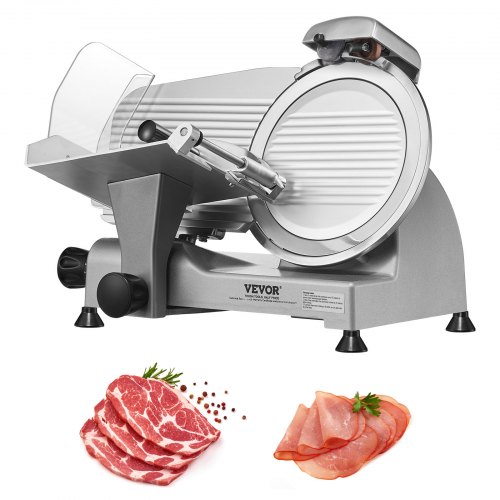
Choosing the right meat affects slicing quality and ease. Lean cutswork best for commercial slicers. Cuts like ham, turkey, roast beef, and salamiare ideal. Meats with too much fat or bone can damage blades.
Quality indicators include firm texture, bright color, and fresh smell. Avoid meats that look discolored, slimy, or have a strong odor. These signs show poor freshness or spoilage.
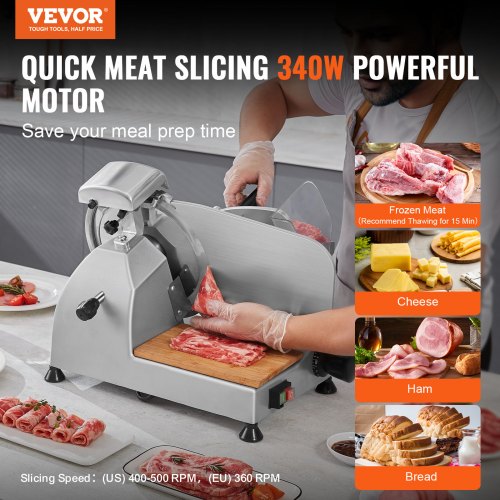
Fresh meatslices cleaner and stays safer longer. It has better texture and flavor. Frozen meatcan be sliced but may need partial thawing. Fully frozen meat can damage slicer blades or cause uneven cuts.

Credit: www.cookingdetective.com
Proper Meat Storage
Store meat at the right temperature to keep it fresh and safe. Chill meat firmly before slicing to ensure clean, even cuts with a commercial slicer. Proper handling reduces waste and maintains quality.
Temperature Control
Meat should be stored at the right temperature. Keep it below 40°F to stay safe. Cold temperatures stop germs from growing. Always use a thermometer to check. A consistent temperature keeps meat fresh longer. Avoid leaving it out in the open air.
Packaging Techniques
Use airtight packagingto store meat properly. Wrapping it tightly prevents air exposure. Air can make meat spoil faster. Vacuum-sealed bags work best for this. If you don’t have those, use cling wrap. Always label packages with the date. This helps track how long it’s been stored.
Shelf Life Considerations
Understand the shelf lifeof different meats. Chicken lasts 1-2 days in the fridge. Beef can last up to 5 days. Frozen meat stays good for months. Always check for bad smells or colors. If unsure, it’s safer to throw it away.
Prepping Meat For Slicing
Trimming excess fathelps slices cook evenly. Remove large fat pieces but leave some for flavor. Fat can clog the slicer if too thick.
Portioning and sizingmeat to fit the slicer is key. Cut meat into uniform blocks or slabs. This ensures each slice is consistent in thickness and shape.
Chilling for optimal texturefirms up the meat. Cold meat slices cleaner and prevents smearing. Place meat in the fridge or freezer for 30-60 minutes before slicing.
Setting Up The Commercial Slicer
Choose a bladethat fits the type of meat. Thinner blades work well for deli meats. Thicker blades are best for tougher cuts.
Set the slicer to the right thickness. Adjust the dial or lever to get thin or thick slices. Test on a small piece first to check.
- Always wear cut-resistant gloves.
- Keep fingers clear of the blade.
- Turn off and unplug before cleaning.
- Use the meat holder to keep hands safe.
Slicing Techniques
Consistent slice thicknessensures even cooking and a better look. Adjust the slicer settings before starting. Use a ruler or guide to check thickness. Keep the meat steady and slice slowly for uniform pieces.
Handling different meat cutsrequires care. Tough cuts need thinner slices to be tender. Fatty cuts slice easier but watch for slippery spots. Cold meat slices better than warm meat. Chill meat for best results.
- Avoid common mistakeslike forcing the meat through the slicer.
- Do not slice meat that is too warm or too frozen.
- Keep blades sharp for clean cuts and safety.
- Clean the slicer often to prevent contamination.
Credit: www.vevor.ca
Post-slicing Handling
Sliced meatmust be stored properly to keep it fresh and safe. Always store it at a cold temperature, ideally between 32°F and 40°F (0°C and 4°C). This slows down bacteria growth and extends shelf life.
Use airtight containers or vacuum-sealed bags for packaging. This helps to prevent moisture lossand protects the meat from air exposure. Label packages with the slicing date to track freshness.
- Keep meat away from strong-smelling foods to avoid odor transfer.
- Use clean, food-safe packaging materials.
- Store sliced meat in small batches for easy use and less waste.
Cleaning And Maintenance
Cleaning the slicer daily keeps it safe and sharp. Remove all meat pieces and wash the blade with warm, soapy water. Dry it well to stop rust. Wipe the whole slicer, including handles and knobs, to keep germs away.
Blade care is very important. Sharpen the blade often with a sharpening stone or tool. This helps slice meat smoothly and easily. Check the blade for damage or dull spots regularly.
| Common Issue | Cause | Fix |
|---|---|---|
| Blade not cutting well | Dull blade | Sharpen blade or replace if needed |
| Slicer not turning on | Power issue | Check plug and power switch |
| Blade wobbling | Loose parts | Tighten screws and bolts |
Frequently Asked Questions
How Do You Properly Trim Meat For A Commercial Slicer?
Trim excess fat and sinew from the meat before slicing. This ensures even cuts and prevents blade damage. Use a sharp knife for clean edges and consistent thickness.
What Is The Ideal Meat Temperature For Slicing?
Keep meat chilled between 35-40°F (1. 5-4. 5°C) for optimal slicing. Cold meat slices cleaner and reduces smearing. Avoid freezing, which makes slicing difficult.
How Should Meat Be Positioned On The Slicer?
Place the meat flat and secure it firmly against the slicer’s carriage. This prevents slipping and ensures uniform slices. Always follow slicer safety guidelines.
Why Is Slicing Thickness Important For Commercial Use?
Proper thickness affects presentation and cooking time. Consistent slices improve customer satisfaction and portion control. Adjust slicer settings based on product type and recipe.
Conclusion
Preparing meat for a commercial slicer takes care and attention. Keep the meat cold and firm for easy slicing. Trim any excess fat or bones to avoid damage. Cut the meat into even pieces that fit the slicer safely. Always clean your slicer before and after use.
These simple steps help you work faster and safer. A well-prepared meat makes your slicing smooth and efficient. Follow these tips to get the best results every time. Ready to slice? Keep safety and quality in mind.