

If you own a home slicer, you know how handy it is for slicing meats, cheeses, and veggies quickly and evenly. But have you ever stopped to think about how clean your slicer really is?
Keeping your slicer spotless isn’t just about looks—it’s about your health and the taste of your food too. You’ll discover simple yet powerful cleaning and maintenance tips that will keep your slicer working like new. Follow these easy steps, and you’ll enjoy safer, smoother slicing every time.
Ready to make your home slicer shine? Let’s dive in.
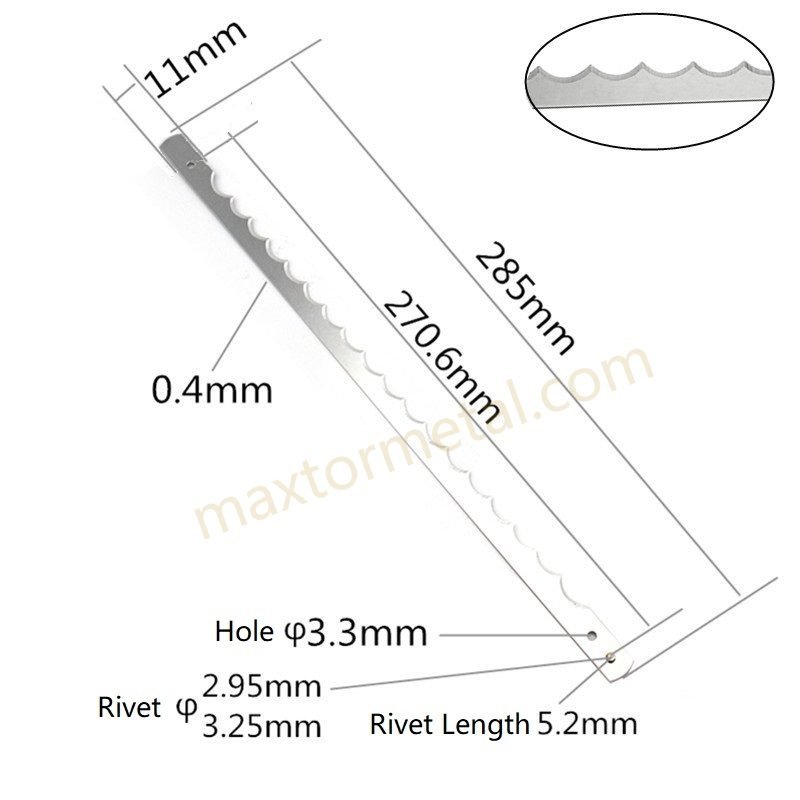
Credit: maxtormetal.com
Choosing The Right Home Slicer
Choosing a home slicer involves understanding its cleaning needs to keep it safe and working well. Regular maintenance helps avoid buildup and keeps blades sharp for smooth slicing. Simple cleaning steps protect your slicer and food quality every time.
Types Of Home Slicers
Home slicers come in various types. Manual slicers need hand power. They are simple and cheap. Electric slicers are faster. They cut smoothly. Choose the type that fits your needs. Think about how often you will use it. Consider the size of your kitchen too. Each type has its benefits. Choose wisely.
Material And Build Quality
Good slicers are made of strong materials. Stainless steel is very durable. It does not rust easily. Plastic parts should be sturdy. Look for slicers with a solid build. Strong materials last longer. They are safer to use. Quality matters in the long run. Spend money on a reliable slicer. It will serve you well.
Daily Cleaning Routine
Start by unplugging the slicer from the power source. Carefully remove the blade guard and blade. Detach any removable parts like trays and knobs. Keep parts separate to avoid mix-ups.
Use warm, soapy water to wash each part. Avoid harsh detergents that can damage the slicer. Rinse all components thoroughly with clean water. Dry parts completely using a clean towel or air dry to prevent rust.
Deep Cleaning Techniques
Removing stubborn residuerequires gentle scrubbing with a soft brush. Use warm, soapy water to loosen food particles stuck on the blade and surfaces. Avoid using abrasive pads that can scratch or dull the blade. For tough spots, soak the slicer parts in warm water for 10-15 minutes before cleaning. Always rinse thoroughly to remove soap and debris.
Sanitizing the blade and surfacesis important to keep the slicer safe and clean. Use a mixture of one tablespoon bleach per gallon of water to sanitize. Wipe all parts with a clean cloth soaked in this solution. Let the parts air dry completely before reassembling the slicer. Regular sanitizing helps prevent bacteria build-up and keeps the slicer fresh.
Blade Maintenance
Keeping the blade sharp is key for smooth slicing. Use a sharpening tool made for slicer blades. Sharpen the blade carefully to avoid dull edges. Sharp blades cut food easily and reduce accidents.
Check the blade for any damage before use. Look for chips, cracks, or rust spots. A damaged blade can cause uneven cuts and might be unsafe. Replace the blade if any damage is found to keep slicing safe and effective.
Lubrication And Moving Parts Care
Use only food-safe lubricantsto keep slicer parts moving smoothly. These lubricants are safe for parts that touch food, preventing contamination. Avoid regular oils or greases that may harm food safety.
Apply lubricant sparingly to moving partslike the blade shaft, gears, and bearings. Too much oil can attract dust and dirt, causing problems.
- Clean parts well before lubrication.
- Use a clean cloth to apply lubricant.
- Wipe off any extra oil to avoid buildup.
Lubrication helps maintain the slicer’s smooth operationand extends its life. Check moving parts regularly and lubricate as needed to keep everything working well.

Credit: www.vevor.ca
Storage Tips For Longevity
Store your slicer in a dry and clean place. Moisture can cause rustand damage blades. Dust can block moving parts and make it hard to use.
Cover the slicer with a cloth or plastic coverto keep dust away. Avoid storing it near water sources like sinks or dishwashers.
- Keep blades dry before storing.
- Use blade guards for extra safety.
- Store in a cool, well-ventilated area.
- Check for moisture and clean regularly.
Troubleshooting Common Issues
Unusual noisesand vibrations often mean the slicer needs cleaning or tightening. Check for any loose parts. Dirt or food stuck inside can cause noise. Remove the blade and clean all areas carefully. Ensure the blade is dry before reassembling.
Blade alignment problemsaffect slicing quality. Misaligned blades can cause uneven cuts or damage the slicer. Adjust the blade using the slicer’s guide or manual. Make small changes and test the slicer after each adjustment. Keep the blade sharp for best results.

Credit: manuals.plus
When To Replace Parts
Look for dull bladesthat don’t cut well. Blades with nicks or chipsneed replacement. If the slicer vibrates or makes noise, parts may be worn out. Check the motor and beltsfor signs of damage or looseness. Worn parts can cause uneven slicingor machine failure.
Buy parts from trusted storesor the slicer’s official website. Use the model numberto find the right components. Choose genuine partsfor best fit and durability. Keep a list of part numbersto make ordering easier. Some parts, like blades, may need regular replacement. Others, such as belts, last longer but still need checking.
Frequently Asked Questions
How Often Should I Clean My Home Slicer?
You should clean your home slicer after each use. Regular cleaning prevents bacteria buildup and keeps the blade sharp. Always unplug the slicer before cleaning. Use warm, soapy water and a soft cloth to clean all parts. Dry thoroughly before reassembling to avoid rust.
What Is The Best Way To Sharpen Slicer Blades?
Sharpen slicer blades using a sharpening stone or a professional sharpener. Ensure the blade is clean and dry before sharpening. Always follow the manufacturer’s instructions. Regular sharpening maintains cutting efficiency and safety. Avoid using dull blades as they increase injury risk.
Can I Use Dishwasher For Slicer Parts?
Most slicer parts are not dishwasher safe. Hand wash removable parts with warm, soapy water instead. Dishwasher detergents and heat can damage blades and plastic components. Always check the user manual for specific cleaning instructions. Proper care extends the slicer’s lifespan and performance.
How Do I Safely Handle Slicer Blades During Cleaning?
Always unplug the slicer before cleaning to ensure safety. Use a brush or cloth, avoiding direct hand contact with the blade. Wear cut-resistant gloves if possible. Handle blades carefully to prevent injury. Proper handling also protects the blade from damage.
Conclusion
Regular cleaning keeps your home slicer safe and sharp. Use gentle soap and warm water after each use. Dry all parts carefully to avoid rust. Check blades often for damage or dullness. Store the slicer in a clean, dry place.
Small daily habits save you from big problems later. Clean slicers make food safer and taste better. Keep these simple tips in mind for easy maintenance. Your slicer will last longer and work well every time. A little care goes a long way.