
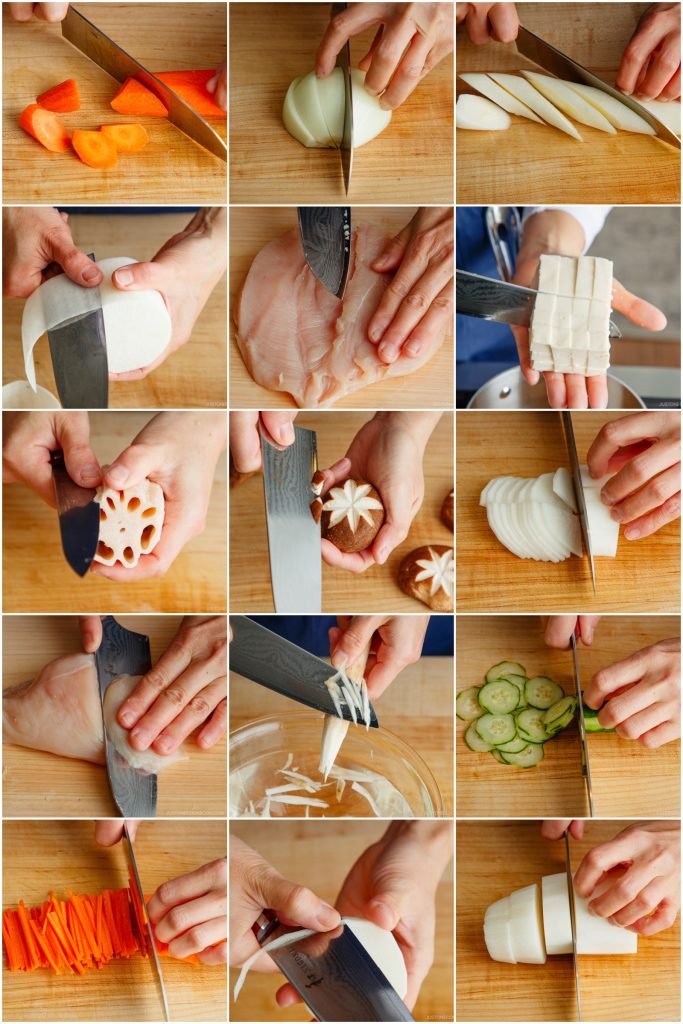
Are you tired of struggling to slice cold cuts in your small kitchen? You’re not alone.
Limited space can make even simple tasks feel complicated. But what if you could master the art of slicing cold cuts neatly and quickly, without needing a big counter or fancy tools? Imagine preparing sandwiches and snacks with ease, saving time and reducing mess.
Keep reading, and you’ll discover easy tips and tricks that fit perfectly in your cozy kitchen. Your next meal prep will feel smoother and more enjoyable than ever.
Choosing The Right Tools
Choosing a sharp knife or a small slicer makes cutting cold cuts easier in tight spaces. A sturdy cutting board helps keep everything steady and safe. Select tools that fit your kitchen size and storage options.
Best Knives For Cold Cuts
A sharp knife is important for slicing cold cuts. A serrated knife works well for tougher meats. A paring knife is useful for smaller slices. Each knife should be easy to hold. This helps in making clean cuts.Using A Food Processor Or Slicer
A food processor can slice meats quickly. It is great for large amounts. A slicer gives even slices. They are good for thin cuts. Both tools save time and effort. Safety is key when using them.Essential Accessories
- Cutting board to protect counters
- Gloves for safe handling
- Storage containers to keep slices fresh

Credit: www.amazon.com.au
Preparing Cold Cuts For Slicing
Chilling cold cuts makes slicing easier. Cold meat stays firm and holds shape better. Place cold cuts in the fridge for at least 30 minutes before slicing. This helps to get thin, even slices without tearing. Cold cuts that are too soft can be hard to cut cleanly.
Portioning cold cuts before slicing saves time and space. Cut large pieces into smaller chunks that fit your kitchen tools. This helps control slice size and reduces mess. Use a sharp knife or slicer for clean cuts. Keep portions manageable for your small kitchen workspace.
Space-saving Slicing Techniques
Vertical slicingsaves space by cutting cold cuts upright. This way, slices stay together and take less room. It works well for thick meats like salami or ham.
Horizontal slicinglays the cold cuts flat. It is easy for thin slices but needs more counter space. Best for delicate meats like turkey or roast beef.
| Slicing Type | Space Use | Best For |
|---|---|---|
| Vertical | Saves space | Thick cold cuts |
| Horizontal | More space | Thin, delicate cuts |
The Stack and Slicemethod stacks slices before cutting. It helps slice many pieces at once. Use a sharp knife and steady hands. This method keeps your kitchen neat and saves time.

Credit: www.nospoonnecessary.com
Organizing Your Small Kitchen Workspace
Small kitchens need smart planning. Free up counter space by clearing unnecessary items. Store appliances and tools you use less often in cabinets or shelves.
Use vertical spacewith wall hooks or racks. Keep cutting boards and knives close but organized to save time and space.
- Choose tools that serve more than one purpose.
- A sharp knife can also be a slicer for cold cuts.
- Use a cutting board with a built-in tray to catch slices.
- A small food processor can chop and slice, saving space.
Multi-functional tools reduce clutter and help keep counters neat. This makes slicing cold cuts easier and faster.
Storing Sliced Cold Cuts Efficiently
Stack cold cuts in thin layers to prevent them from sticking. Place a piece of wax paper or parchment paper between layers. This keeps each slice separate and easy to grab.
Wrap the stack tightly with plastic wrap or use an airtight container. This stops air from drying out the meat and keeps it fresh longer.
| Storage Tip | Benefit |
|---|---|
| Use airtight containers | Protects cold cuts from air and moisture |
| Layer with wax paper | Prevents slices from sticking together |
| Wrap tightly with plastic wrap | Keeps cold cuts fresh and moist |

Credit: inquiringchef.com
Safety Tips For Slicing In Tight Spaces
Always hold the knife firmly with a proper grip. Keep fingers curled away from the blade. Use a sharp knife to reduce slipping risks. Cut slowly and with control, not rushing. Keep your eyes on the blade and the cold cuts at all times.
Clean your workspace before starting. Remove clutter to avoid accidents. Wipe spills immediately to prevent slips. Use a non-slip cutting board to keep cold cuts steady. Organize tools so they are easy to reach but not in the way.
Frequently Asked Questions
How Do I Slice Cold Cuts Without A Slicer?
Use a sharp knife and a steady cutting board. Chill the cold cuts for firmer slices. Cut thinly and evenly for best results.
What’s The Best Knife For Slicing Cold Cuts?
A long, thin, sharp knife works best. Serrated or chef’s knives are ideal. Keep the blade clean and dry for smooth cuts.
How Can I Save Space While Slicing Cold Cuts?
Use a compact cutting board and store cold cuts stacked. Slice only what you need to avoid clutter. Clean as you go to keep the space tidy.
Should Cold Cuts Be Sliced Before Or After Chilling?
Chill cold cuts before slicing for firmer, neater slices. Warm meat can be slippery and hard to cut evenly. Always refrigerate to maintain freshness and texture.
Conclusion
Slicing cold cuts in a small kitchen can be simple and neat. Use the right tools and keep your space tidy. Take your time to cut even slices. Store leftovers properly to keep them fresh. Small kitchens need smart choices and careful work.
Enjoy tasty, thin cold cuts without making a mess. Practice makes slicing easier and faster. Try these tips next time you prepare sandwiches or snacks. Simple steps can make a big difference in your kitchen.