
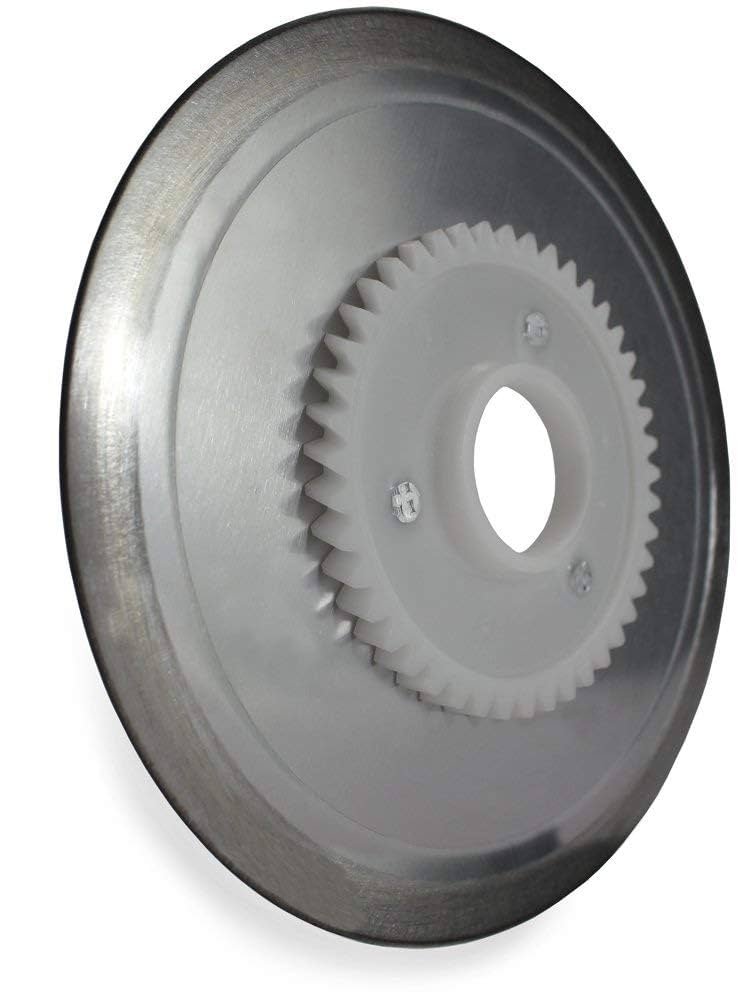
If you want your Chef’sChoice slicer to work smoothly and last longer, knowing how to lubricate its blade is key. A well-lubricated blade cuts better, stays sharp, and keeps your slicing experience safe and easy.
In this guide, you’ll discover simple steps to maintain your slicer blade like a pro. By following these tips, you’ll save time, avoid damage, and get the best performance every time you slice. Keep reading to unlock the secrets to a perfectly lubricated Chef’sChoice slicer blade.

Credit: www.amazon.ca
Importance Of Lubricating Slicer Blades
Lubricating slicer blades is very important. It helps in preventing rustand corrosion. Without lubrication, moisture can cause damage. Rusty blades cut poorly. They also may break. Regular lubrication keeps blades shiny and smooth.
Well-lubricated blades cut better. They glide through food easily. This makes slicing faster and safer. Dull blades require more force. Lubrication ensures blades remain sharp longer. It also reduces friction.
Lubrication helps blades last longer. Less wear and tear occur with regular care. Blades stay in good condition. This means fewer replacements. Proper maintenance saves money. It’s simple and effective.

Credit: www.amazon.ca
Tools And Materials Needed
Recommended lubricantsare food-safe oils like mineral oil or silicone spray. They keep the blade moving smoothly and prevent rust.
Cleaning suppliesinclude a soft cloth, warm water, and mild soap. These help remove food particles and old oil before lubrication.
Protective gearsuch as cut-resistant gloves keeps hands safe while handling the sharp blade. Safety glasses protect eyes from splashes.
Preparing The Slicer For Lubrication
Ensure the slicer is unplugged and clean before lubrication. Remove any food debris and dry the blade thoroughly. This prepares the slicer for smooth, safe oil application.
Unplugging And Disassembling
Always unplugthe slicer before starting. This prevents accidents. Remove all parts that come off easily. Take off the blade carefully. Keep small parts safe.
Cleaning The Blade
Use warm water and mild soap to clean the blade. Remove all food bits. Use a soft cloth or sponge. Avoid sharp scrubbing to protect the blade. Clean other parts too.
Drying The Components
Dry the blade and parts well. Use a clean towel. Leave parts to air dry if needed. Make sure everything is completely drybefore putting the slicer back together.

Credit: www.amazon.ca
Step-by-step Lubrication Process
Start by unplugging the slicer for safety. Use a food-safe lubricant designed for kitchen tools. Apply a small amount directly to the blade’s edge. Avoid using too much to prevent dripping. Spread the lubricant carefully along the entire blade surface.
Use a soft cloth or brush to distribute lubricant evenly. Move gently to cover every part of the blade. This ensures smooth slicing and reduces wear. Check for any dry spots and add more if needed. Even coverage helps keep the blade sharp and clean.
After lubrication, reassemble the slicer carefully. Make sure all parts fit tightly and correctly. Tighten screws and locks to secure the blade. Plug the slicer back in and test it with a few slices. Proper reassembly ensures safe and efficient use.
Safety Tips During Lubrication
Always handle the slicer blade with care.Use protective gloves to avoid cuts. Keep your fingers away from the sharp edge at all times. Clean the blade before lubrication to remove food particles.
Use only the amount of lubricant needed.Excess oil can attract dirt and cause damage. Apply lubricant sparingly and evenly along the blade. Wipe off any extra lubricant after application.
Dispose of used cloths and waste safely.Do not throw oily rags in regular trash without sealing. Use a container to store waste until proper disposal. Follow local rules for hazardous waste removal.
Maintenance Tips For Chef’schoice Slicer
Cleaning the slicer blade regularly keeps it sharp and safe. Use a soft cloth and warm, soapy water. Dry the blade well after cleaning to avoid rust. Follow the slicer’s manual for specific cleaning tips.
Reapply lubricant after every few uses or when the blade feels stiff. Use food-safe lubricant only. Apply a small amount on the blade edges and moving parts. Wipe off extra lubricant to prevent food contact.
| Signs of Blade Wear | What to Do |
|---|---|
| Blade cuts unevenly | Sharpen or replace the blade |
| Blade feels rough or dull | Clean and lubricate, then test again |
| Unusual noises during slicing | Check for debris or damage; lubricate |
Frequently Asked Questions
How Often Should I Lubricate My Chef’schoice Slicer Blade?
Lubricate the blade after every 10 hours of use or monthly. Regular lubrication keeps the blade sharp and prevents rust. Follow the manufacturer’s instructions for best results.
What Type Of Lubricant Is Best For Chef’schoice Slicer Blades?
Use food-grade mineral oil or a specialized slicer blade lubricant. Avoid non-food-safe oils to ensure safety and prevent contamination. Always apply a thin, even coat.
Can I Lubricate The Slicer Blade While Still Attached?
Yes, you can lubricate the blade while attached for convenience. Make sure the slicer is turned off and unplugged before applying lubricant. Wipe off excess oil to avoid residue.
Is It Necessary To Clean The Blade Before Lubrication?
Yes, always clean the blade thoroughly before lubrication. Remove food particles and debris to ensure effective lubrication. Use warm water and mild detergent, then dry completely.
Conclusion
Regularly lubricate your Chef’sChoice slicer blade for smooth use. Keep the blade clean and dry before adding lubricant. Use food-safe oil to protect the blade and prevent rust. A well-lubricated blade cuts better and lasts longer. Take a few minutes to maintain your slicer often.
This small step saves time and keeps food safe. Enjoy easy slicing every time you use your machine. Simple care makes a big difference in performance.