

Are you tired of uneven, thick slices that ruin your meals? Getting perfect, thin slices every time can be tricky, but with the Hamilton Beach Slicer, it’s easier than you think.
Imagine effortlessly slicing your fruits, veggies, or deli meats just the way you like—thin, consistent, and quick. In this guide, you’ll discover simple tips and tricks to master your Hamilton Beach Slicer and transform your kitchen experience. Keep reading, and you’ll never struggle with slicing again.
Choosing The Right Blade
Choose a fine blade for thin, even slices with the Hamilton Beach slicer. Adjust the thickness setting to control slice size easily. Sharp blades ensure smooth cuts without crushing food.
Blade Types For Thin Slicing
Hamilton Beach slicer offers different blades. Each blade has a special use. For thin slices, choose the fine blade. It cuts meat and vegetables thinly. The serrated blade is for bread. It is not for thin slices. The straight blade works best for deli meats. Always pick the right blade for the job.
Maintaining Sharpness
Sharp blades cut better. Blunt blades make slicing hard. Clean blades after every use. This keeps them sharp and shiny. Use a soft cloth to wipe them. Avoid dishwashers; they dull blades. Store blades safely. This prevents damage. Check blades often. Replace if they are dull. Sharp blades last longer and work better.

Credit: www.amazon.ca
Setting Up Your Hamilton Beach Slicer
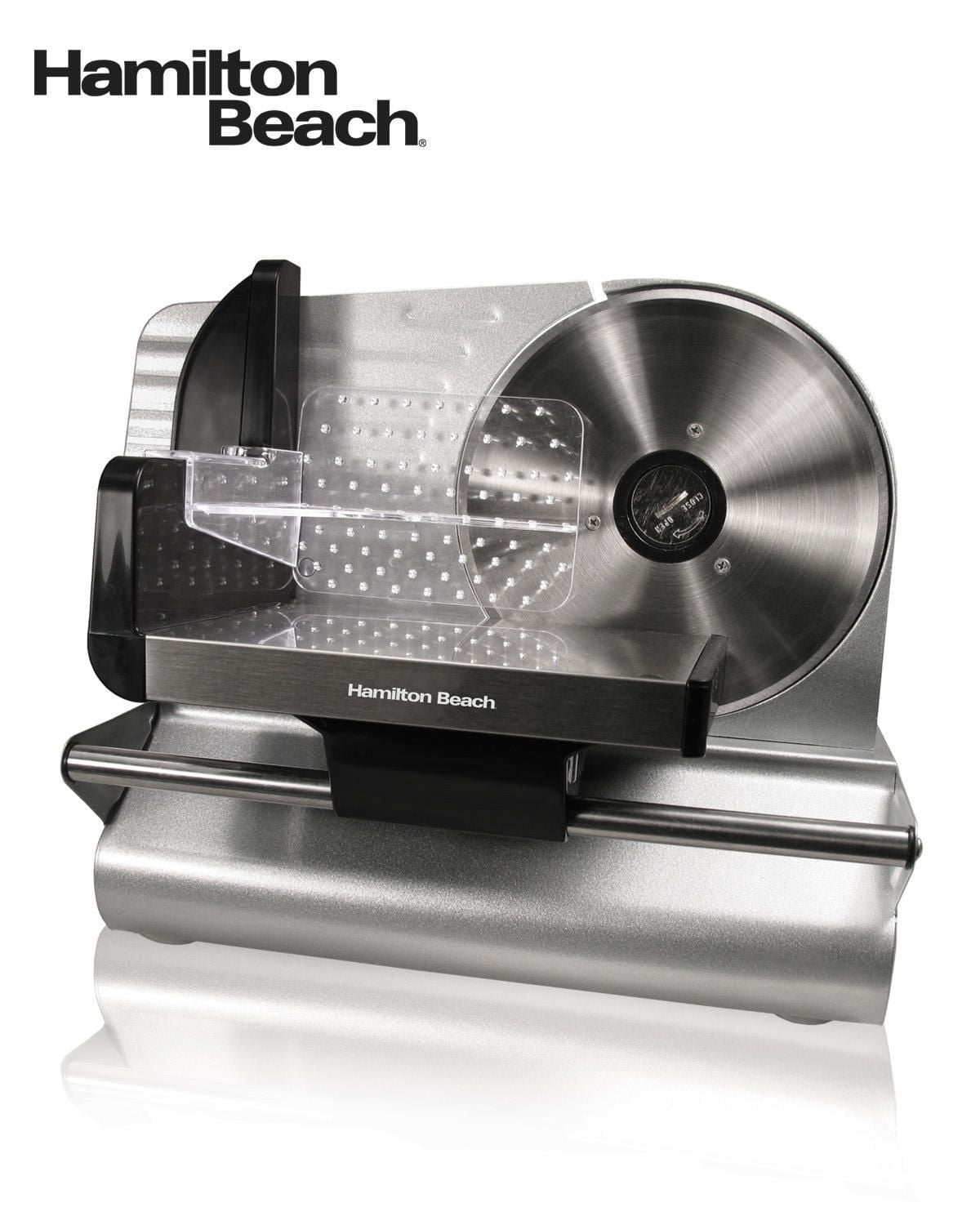
Start by placing the baseon a flat surface. Attach the bladesecurely to the base. Ensure the slicer guardis in place for safety. Connect the food carriageto the slicer arm. Make sure all parts fit tightly without gaps.
Use the thickness dialto set the slice size. Turn the dial to choose from thinto thick slices. For thin slices, select the smallest setting. Adjust slowly to avoid uneven cuts.
| Thickness Setting | Slice Thickness |
|---|---|
| 1 | Paper-thin slices |
| 2-3 | Thin slices for sandwiches |
| 4-5 | Medium slices for salads |
| 6+ | Thick slices for grilling |
Preparing Ingredients For Slicing
Start by rinsing the ingredients under clean water. Remove any dirt or spots carefully. Trim off ends, stems, or thick skins that won’t slice well. This helps the slicer work better and keeps slices even.
Cut ingredients into pieces small enough to fit the slicer safely. Ideal size is about 3 to 4 inches long and no wider than the slicer’s feed chute. This size prevents jamming and helps create thin, smooth slices.
- Wash ingredients thoroughly.
- Remove unwanted parts like stems or thick skin.
- Cut pieces to fit the slicer’s opening.
- Keep size uniform for consistent slices.
Techniques For Thin Slices
Apply even pressureon the food item as you push it toward the blade. This helps create thin, uniform slices. Avoid pressing too hard, which can cause uneven thickness or damage the slicer.
Use the food pusherto hold the item firmly and keep your hands safe. The pusher protects fingers from the sharp blade and ensures steady slicing.
- Place the food firmly against the blade.
- Press the food pusher gently but firmly.
- Keep a steady speed while slicing.
- Never push too fast or with jerky movements.
Cleaning And Maintenance Tips
Disassemble the slicer carefully to avoid injury. Always unplug it before starting. Remove the blade with caution, holding it by the edges only. Avoid touching the sharp parts.
Clean each part with warm, soapy water. Use a soft cloth or sponge to wipe down the blade and slicer body. Never use abrasive cleaners or metal scrubbers.
Dry all parts completely to prevent rust. Store the blade separately in a safe place, like a blade cover or a container. Keep the slicer in a dry area to maintain its condition.
| Care Tip | Details |
|---|---|
| Disassembly | Unplug first, handle blade edges only |
| Cleaning | Use warm, soapy water; soft cloth only |
| Drying | Dry all parts fully to avoid rust |
| Storage | Store blade safely; keep slicer dry |

Credit: www.youtube.com
Troubleshooting Common Issues
Uneven slices often happen when the food is not placed evenly on the slicer. Make sure the item is flat and steady before slicing. Using the right thickness setting helps create uniform slices every time. Sharp blades are key. Dull blades cause uneven cuts and can damage food.
Slicer jamming usually occurs if the food is too hard or too big. Cut large items into smaller pieces first. Avoid forcing the slicer if it gets stuck. Turn off the machine and carefully remove any stuck parts. Clean the slicer regularly to prevent build-up that can cause jams.
Credit: www.walmart.ca
Frequently Asked Questions
How Do I Adjust Slice Thickness On Hamilton Beach Slicer?
To adjust slice thickness, use the thickness control knob on the slicer. Turn it clockwise for thinner slices. Turn it counterclockwise for thicker slices. This allows precise control for different slicing needs.
What Foods Can I Slice Thinly With Hamilton Beach Slicer?
You can slice vegetables, fruits, cheese, and deli meats thinly. The slicer handles potatoes, cucumbers, onions, and more. It’s perfect for salads, sandwiches, and garnishes requiring fine slices.
How Do I Safely Use The Hamilton Beach Slicer?
Always use the food holder to protect your fingers. Keep hands away from the blade during operation. Unplug the slicer before cleaning or adjusting parts to avoid accidents.
Can I Clean The Hamilton Beach Slicer Easily?
Yes, the slicer has removable parts for easy cleaning. Detach the blade and food carriage. Wash with warm, soapy water and dry completely before reassembling.
Conclusion
Slicing thin pieces with the Hamilton Beach slicer is simple and quick. You can easily adjust the thickness to suit your needs. Always use the safety guard to protect your fingers. Clean the slicer right after use to keep it working well.
This tool saves time and effort in the kitchen. Enjoy perfectly sliced fruits, vegetables, and more every time. Try it today and see how easy slicing can be.