

If you use a commercial slicer, you know how important it is to keep it in top shape. But do you know the best way to store it safely?
Improper storage can damage your slicer or even cause accidents. You’ll discover simple, effective tips to protect your equipment and keep your workspace safe. Keep reading to learn how to store your commercial slicer the right way—your safety and your slicer’s lifespan depend on it.

Credit: www.amazon.ca
Choosing The Right Storage Location
Store the slicer in a dry and clean place. Avoid humid areas to prevent rust. Good airflow helps keep the slicer safe. A well-ventilated area is ideal.
Moisture can damage the slicer. Use a cover to keep it dust-free. Clean the slicer regularly to remove dust. A dust-free environment keeps the slicer in good shape.
Keep the slicer in a cool place. Avoid extreme heat and cold. Stable temperature is best for storing slicers. Sudden changes can cause damage. Proper temperature keeps the slicer working well.

Credit: manuals.plus
Cleaning Before Storage
Disassembling the slicer allows thorough cleaning of all parts. Remove the blade, guard, and tray carefully. Keep small pieces safe to avoid loss. Use a soft cloth or brush to reach tight spots. Avoid harsh tools that may damage surfaces.
Proper cleaning techniques include washing parts with warm, soapy water. Rinse with clean water to remove soap. Dry all parts completely to stop rust or mold growth. Clean the slicer base with a damp cloth, avoiding water entry into motor areas.
Sanitizing ensures the slicer is safe for next use. Use a food-safe sanitizer or a solution of water and mild bleach. Spray or wipe all surfaces and let air dry. Sanitizing kills germs and keeps food safe.
Protecting The Blade
Sharpen the bladebefore storing it. A sharp blade stays safer and works better. Dull blades can cause accidents and damage the slicer.
Use blade guardsto cover the blade. These guards protect the blade from getting dull or damaged. They also keep fingers safe from cuts.
Apply a thin layer of lubricanton the blade. Lubrication stops rust and keeps the blade smooth. Use food-safe oil for best results.
Covering And Securing The Slicer
Choosing the right cover material protects the slicer from dust and damage. Use covers made of water-resistantand durable fabric. Plastic covers work well but may trap moisture. Fabric covers allow air flow and keep the slicer dry. Covers should fit snugly without gaps.
Ensuring dust-free storage keeps the slicer clean and safe. Store the slicer in a clean, dry place. Avoid areas with heavy dust or dirt. Clean the slicer before covering it to prevent dust build-up. Regularly check the cover for dust or tears.
| Locking Mechanisms | Purpose | Benefits |
|---|---|---|
| Key Locks | Prevent unauthorized use | Secure and reliable |
| Padlocks | Easy to use and replace | Portable and affordable |
| Combination Locks | No need for keys | Convenient and secure |
Regular Maintenance During Storage
Periodic inspections help keep the commercial slicer in good shape. Check all parts for wear or damage often. This prevents problems later and keeps the slicer safe to use.
Reapplying lubricants is important. Lubricate moving parts to stop rust and reduce friction. Use the right oil or grease suggested by the manufacturer. Do this regularly during storage to keep the slicer running smoothly.
Check for rust or corrosion on metal surfaces. Clean any rust spots quickly to avoid spread. Wipe down the slicer with a dry cloth after cleaning. Store the slicer in a dry place to reduce moisture buildup that causes rust.
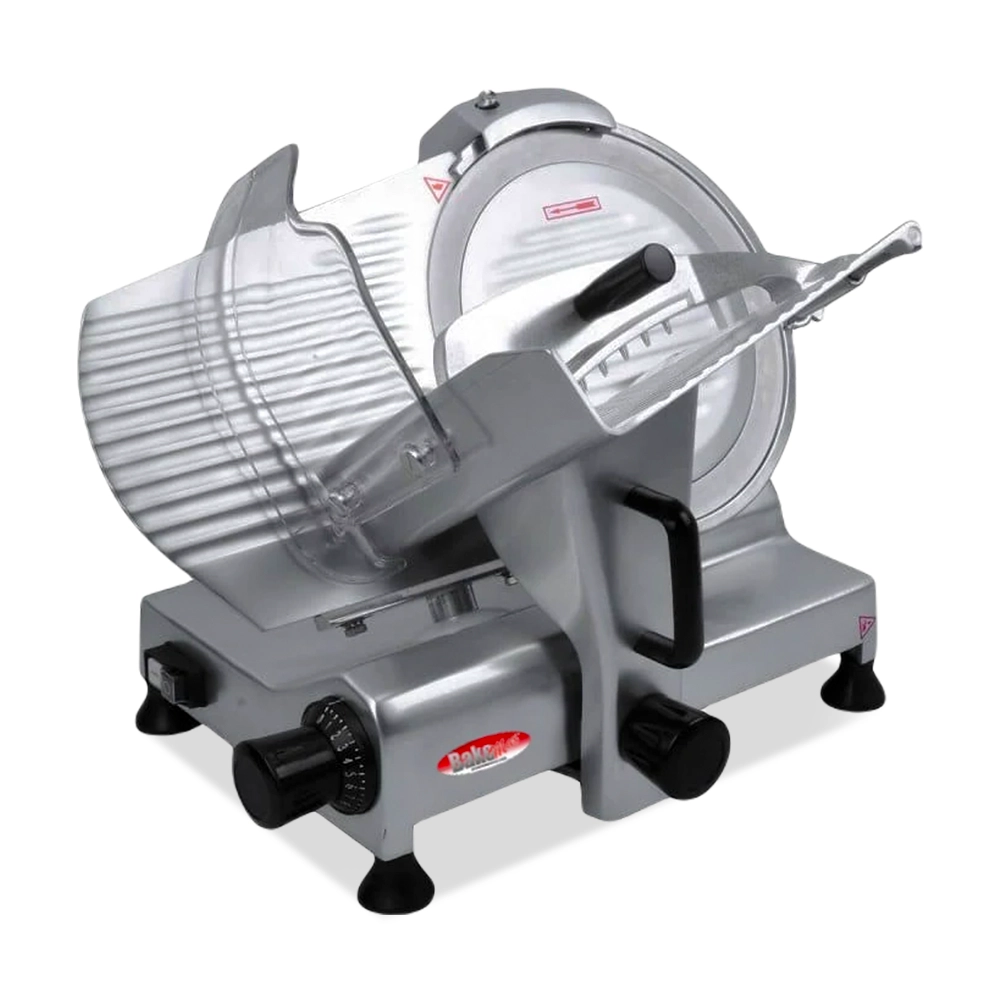
Credit: www.thehorecastore.com
Preparing For Next Use
After cleaning, carefully reassemble the slicer. Make sure all parts fit well and are secure. Tighten screws and locks to avoid loose pieces.
Perform a final cleaningto remove any leftover food or grease. Use a clean cloth to wipe down surfaces. This keeps the slicer safe and ready for use.
Test the slicer by turning it on briefly. Listen for unusual sounds. Check that the blade moves smoothly without any blockages.
- Inspect safety guards and shields for damage or wear.
- Ensure the blade is sharp and properly aligned.
- Verify the power cord and plug are intact.
- Confirm all controls work correctly before starting.
Frequently Asked Questions
How Do I Clean A Commercial Slicer Before Storage?
Clean the slicer thoroughly using warm water and mild detergent. Remove all food particles and sanitize all surfaces. Dry completely to prevent rust and bacteria growth before storing.
Where Should I Store A Commercial Slicer Safely?
Store the slicer in a dry, cool place away from direct sunlight. Ensure the storage area is clean and free from dust to maintain hygiene and equipment longevity.
How Do I Protect Slicer Blades During Storage?
Cover the blades with a blade guard or wrap them in a clean cloth. This prevents accidental cuts and protects the blades from damage and rust.
How Often Should I Inspect A Commercial Slicer In Storage?
Inspect the slicer monthly for cleanliness and blade condition. Check for rust, wear, or damage to ensure it remains safe and functional for use.
Conclusion
Storing your commercial slicer safely keeps it sharp and clean. Always unplug before cleaning or moving it. Use covers or cases to protect blades from dust. Keep it in a dry, cool place away from moisture. Regular maintenance helps the slicer last longer.
Safe storage also prevents accidents and injuries. Follow these simple steps for a safe workspace. Protect your investment and work with ease every day.