
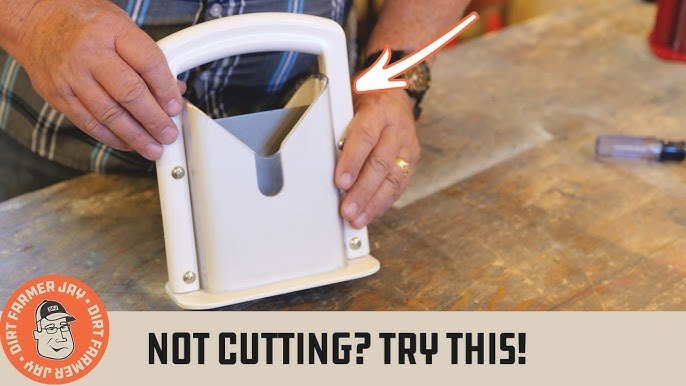
You rely on your home slicer to prepare delicious meals quickly and easily. But nothing slows you down like rust forming on the blade or parts.
Rust not only damages your slicer but can also affect the safety and taste of your food. Imagine slicing through your favorite meats and cheeses with a clean, sharp blade every time. You’ll discover simple, effective ways to prevent rust on your home slicer, keeping it in top shape and ready for action whenever you need it.
Keep reading to protect your investment and enjoy perfect slices every time.

Credit: www.amazon.ca
Causes Of Rust On Home Slicers
Moisture can make slicers rust quickly. Water left on the slicer makes it rusty. Dry the slicer well after use to keep it safe. A simple wipe can help a lot.
Cleaning with water alone is not enough. Use gentle soap to clean the slicer. Do not leave food bits on the slicer. They can cause rust too. Always rinse and dry well.
Keep the slicer in a dry place. Humid places are bad for slicers. Cover the slicer if the area is damp. This keeps moisture away.
Cheap materials rust more easily. Stainless steel is a better choice. It fights rust better than other metals. Investing in good quality pays off.
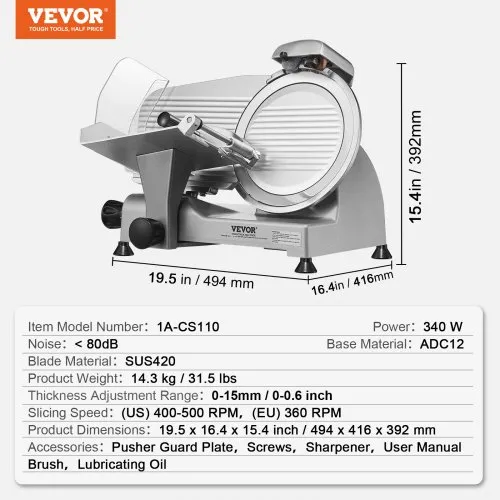
Credit: www.vevor.ca
Daily Cleaning Tips
Use a soft cloth or sponge to clean the slicer. Avoid metal scrubbers that can scratch the surface. Mild dish soap works well to remove food residue without damaging the slicer.
Choose cleaning tools that are gentle and effective:
- Soft microfiber cloths
- Non-abrasive sponges
- Soft-bristle brushes for hard-to-reach areas
After washing, dry the slicer immediately to stop rust from forming. Use a clean, dry towel to wipe all parts. Air drying is good but only if the slicer is fully dry before storing.
Proper Storage Practices
Store the slicer in a dryplace away from moisture. Keep it in a room with a stable temperature to stop rust. Avoid places where air is humidor damp. A cool, dry environment works best.
Use protective coversto shield the slicer from dust and water. Covers help keep the metal clean and dry. They also prevent scratches and damage.
Humidity causes rust. Keep the slicer away from kitchens or bathrooms where steam is common. Use a dehumidifier or silica gel packets to absorb moisture in the storage area.
Maintenance For Sharpness
Keep the blade sharpto prevent rust and ensure smooth slicing. Sharpen the blade regularlyusing a proper sharpening tool. Dull blades can trap moisture, which causes rust.
Use food-safe lubricantson moving parts to reduce friction and stop rust. Apply a small amount and wipe off the excess to avoid buildup. Lubrication helps the slicer work better and last longer.
Check the slicer for wear and damage. Look for cracks, rust spots, or loose parts. Early inspection can prevent bigger problems and keep the slicer safe to use.
Rust Removal Techniques
Natural remedieslike white vinegar or lemon juice help remove rust. Soak a cloth in vinegar and rub the rusty parts gently. Lemon juice mixed with salt also works well. Let it sit for 30 minutes before scrubbing with a soft brush. These methods are safe and use common household items.
Chemical rust removersare fast and effective. They dissolve rust quickly but need careful handling. Always follow the instructions on the label. Wear gloves and use in a well-ventilated area. Rinse the slicer well after using these products to avoid damage.
- Keep the slicer dry after each use.
- Apply a thin layer of food-safe oil to metal parts.
- Store the slicer in a dry place.
- Clean it immediately after cutting wet or acidic foods.

Credit: www.vevor.ca
Choosing Rust-resistant Slicers
Choosing a rust-resistant slicerhelps keep it safe and long-lasting. Stainless steel is a popular choice because it does not rust easily. Carbon steel is strong but needs more care to prevent rust. Plastic slicers won’t rust but may not be as durable.
Coatings and finishes add extra protection against rust. Look for slicers with anti-corrosion coatingsor polished finishes. These layers help block moisture and air from causing rust. Regular cleaning keeps coatings effective.
| Budget | Material | Rust Resistance | Care Needed |
|---|---|---|---|
| Low | Plastic | High | Low |
| Medium | Carbon Steel | Medium | High |
| High | Stainless Steel | High | Low |
Frequently Asked Questions
How Can I Stop Rust On My Home Slicer?
Clean and dry the slicer after every use. Apply a light coat of food-safe oil to protect the metal from moisture and air exposure.
What Cleaning Methods Prevent Slicer Rust Effectively?
Use warm soapy water and a soft cloth for cleaning. Avoid abrasive materials and dry the slicer immediately to prevent rust.
Which Oils Are Best For Protecting Slicer Blades?
Food-grade mineral oil or specialized slicer oils work best. They create a protective barrier without affecting food safety or slicer performance.
How Often Should I Maintain My Home Slicer?
Clean and oil your slicer after each use. Regular maintenance ensures longevity and prevents rust buildup on blades and parts.
Conclusion
Rust on a home slicer can cause damage and reduce its life. Regular cleaning stops food particles from causing rust. Dry the slicer well after washing to keep moisture away. Use oil to protect metal parts and prevent rust. Store the slicer in a dry place to avoid dampness.
Small steps keep your slicer safe and working longer. Taking care now saves money and effort later. Simple habits make a big difference in slicer maintenance. Keep your slicer clean, dry, and oiled for best results.