
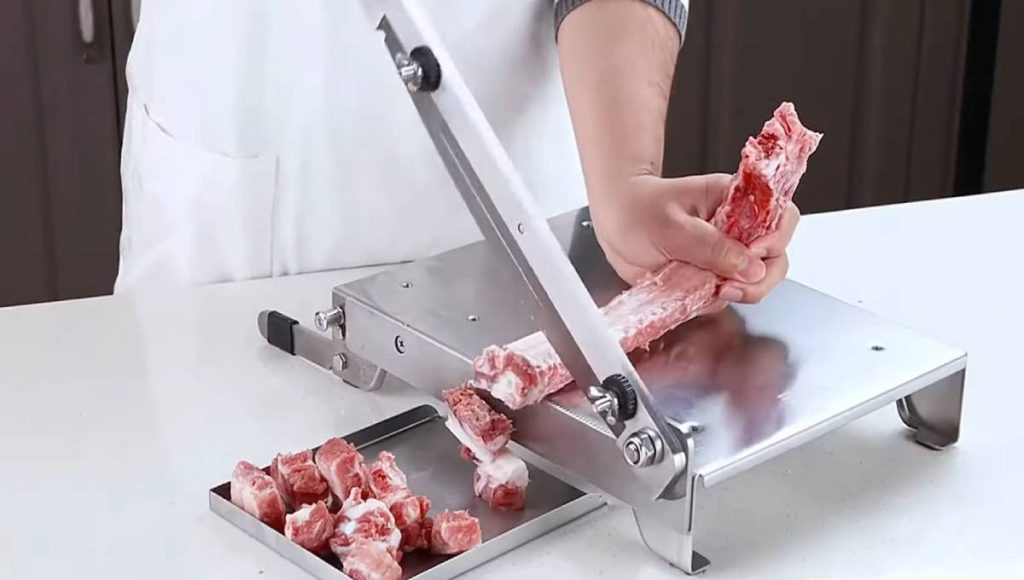
Are you struggling to slice frozen meat without ruining your slicer? You’re not alone.
Slicing frozen meat can be tough on your equipment and frustrating for you. But what if you could make clean, even cuts without damaging your slicer or wasting time? You’ll discover simple tips and tricks that protect your slicer while helping you slice frozen meat like a pro.
Keep reading to master the technique and save both your tools and your effort.

Credit: www.alibaba.com
Choosing The Right Slicer
Choosing a slicer with a strong motor and sharp blades helps cut frozen meat smoothly. Avoid thin or dull blades to prevent damage and ensure safety. Select a slicer designed for tough, frozen foods to keep it working well.
Blade Types And Sizes
Picking the right bladeis very important. Different meats need different blades. Thick blades cut big pieces. Thin blades cut small slices. Stainless steel blades stay sharp longer. Choose a blade that fits your needs. It should be strong and sharp.
Slicer Power And Durability
A powerful sliceris good for frozen meat. Look for slicers with strong motors. They cut smoothly and easily. Durable slicers last a long time. They handle tough jobs without breaking. Always check the slicer’s power before buying. Strong power makes slicing easy and fast.

Credit: www.amazon.ca
Preparing Frozen Meat
Partially thaw frozen meat to make slicing easier. Leave it in the fridge for 30 to 60 minutes. The meat should be firm but not frozen solid. Avoid thawing it fully as this can cause slipping and damage the slicer blade.
- Use a cold water bath to speed up thawing safely.
- Wrap meat in a sealed bag before placing in water.
- Change water every 30 minutes to keep it cold.
Always handle frozen meat with clean hands and tools. Use gloves to avoid slipping. Keep the slicer blade sharp and clean for smooth cuts. Never force the meat through the slicer. Let the blade do the work slowly.
Adjusting Slicer Settings
Blade speedaffects how smoothly frozen meat slices. Slower speeds reduce heat and pressure on the blade. This helps keep the blade sharp longer and avoids tearing the meat. Faster speeds may cause uneven cuts and damage the slicer.
Adjust slice thicknesscarefully. Thinner slices need slower blade speeds for clean cuts. Thicker slices require more power but should not be forced. Set the thickness based on the meat type and its frozen state.
| Setting | Recommended Adjustment | Effect |
|---|---|---|
| Blade Speed | Slow to medium | Prevents blade damage and uneven cuts |
| Slice Thickness | Thin for delicate meat, thicker for tough cuts | Ensures smooth slicing without strain |
Proper Slicing Techniques
Using steady pressurehelps keep the slicer blade safe. Press the meat gently but firmly. This stops the blade from getting stuck or damaged. Too much force can break the blade. Too little force makes slicing hard and uneven.
Maintaining consistent motionmeans moving the meat evenly. Keep the meat sliding smoothly across the blade. Avoid stopping or jerking. This keeps slices even and protects the slicer.
- Hold the meat firmly but not too tight.
- Push slowly and steadily.
- Keep the blade clean and sharp.
- Use thin slices to avoid strain on the slicer.
Preventing Damage To The Slicer
Avoid overloadingthe slicer with thick frozen meat pieces. Too much meat can strain the blade and motor. Cut frozen meat into smaller chunks before slicing. This helps the slicer work smoothly and last longer. Overloading can cause the slicer to jam or break.
Regular maintenancekeeps the slicer in good shape. Clean the blade and other parts after each use. Remove any meat bits stuck to the slicer. Use warm water and mild soap to clean. Dry the slicer fully before storing it to stop rust.
Check the blade often for dullness or damage. Sharpen or replace the blade as needed. Lubricate moving parts to keep them working well. Following these steps prevents damage and keeps slicing easy.

Credit: www.alibaba.com
Safety Tips While Slicing
Using safety guardshelps protect your hands from the slicer blade. Always ensure the guard is properly fixed before starting. It keeps the meat steady and prevents slipping. This reduces the chance of injury and damage to the slicer.
Wearing protective gearis important. Use cut-resistant gloves to shield your hands. Safety glasses protect your eyes from any flying pieces. Non-slip shoes keep you stable while working. These simple steps keep you safe and focused.
Frequently Asked Questions
How Do I Safely Slice Frozen Meat?
Use a sharp, well-maintained slicer blade. Thaw meat slightly to soften edges. Slice slowly to avoid pressure. Keep hands clear of the blade.
Can Slicing Frozen Meat Damage My Slicer?
Yes, slicing fully frozen meat can strain the motor. It may dull or chip blades. Always partially thaw meat for safer slicing.
What Blade Type Is Best For Frozen Meat?
Use a serrated or heavy-duty stainless steel blade. These blades cut frozen meat more effectively and reduce wear. Regular blades may dull quickly.
Should I Thaw Frozen Meat Before Slicing?
Yes, partially thawing frozen meat softens it. This reduces blade damage and ensures smooth, even slices. Avoid slicing rock-hard meat directly.
Conclusion
Slicing frozen meat takes care and the right technique. Keep your slicer sharp and clean for best results. Cut slowly and use steady pressure to avoid damage. Thaw meat slightly if it feels too hard. Regular maintenance helps your slicer last longer.
Following these simple steps saves time and keeps your slicer safe. Enjoy perfect slices every time without worry. Practice makes slicing easier and more precise. Your slicer will work well when treated with care.