
Are you wondering how much power your electric slicer really needs? Choosing the right power level can make a big difference in how smoothly your slicer works and how long it lasts.
Too little power, and you might struggle with tough cuts; too much, and you could be wasting energy or money. You’ll discover exactly what power means for your electric slicer, why it matters, and how to pick the perfect one for your kitchen needs.
Keep reading to make sure your slicer works just the way you want it.
Power Ratings Explained
Power ratings show how much electricity an electric slicer uses to work well. Higher power means the slicer can cut tougher foods faster and more smoothly. Choosing the right power depends on what types of food you plan to slice most often.
Watts And Amps Basics
Watts tell how much power an electric slicer uses. More watts mean more power. Amps show how much electric current flows. Together, they help understand energy use. Checking both is important for safety. Some slicers have higher power needs. This can affect electricity bills. A slicer with 100 watts and 2 amps uses less power than one with 300 watts and 3 amps. Always read the slicer’s manual. It gives details about watts and amps. Knowing these helps in choosing the right slicer.
Voltage Considerations
Voltage is another important factor. It tells how strong the electric push is. Most slicers work on standard home voltage. In many places, this is 110 to 120 volts. Some slicers may need different voltage. Check if the slicer matches your home voltage. Using the wrong voltage can damage the slicer. Always plug the slicer into the right socket. This keeps it working well and safely. Understanding voltage helps avoid problems.
Credit: www.vevor.ca
Factors Influencing Power Needs
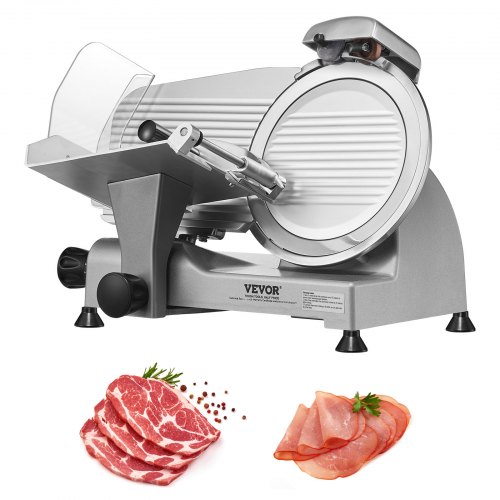
The blade size and speeddirectly affect power needs. Larger blades require more power to rotate smoothly. Faster speeds also demand stronger motors to maintain consistent cutting. Small blades with slow speed use less power but cut slower.
Material thickness and densityplay a big role too. Thicker or denser materials need more power to slice through. Softer or thin materials need less energy, so a lower-powered slicer can work well.
Usage frequencyimpacts power choice. Frequent use needs a powerful, durable motor to avoid overheating. Occasional use can be fine with a less powerful slicer, saving energy and cost.
Common Power Ranges
Electric slicers typically need power ranging from 100 to 300 watts for efficient slicing. Higher power helps cut tougher foods smoothly and quickly. Choosing the right power depends on the types of food you slice most often.
Home Use Models
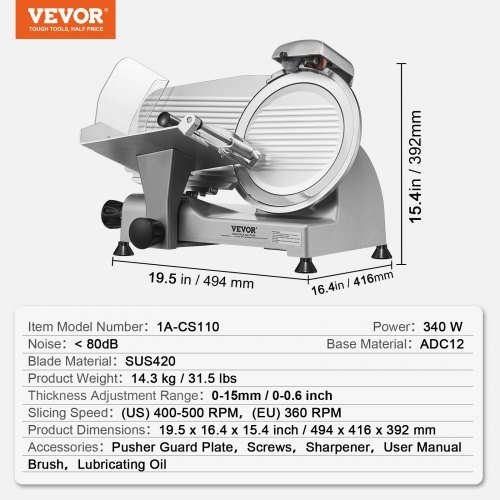
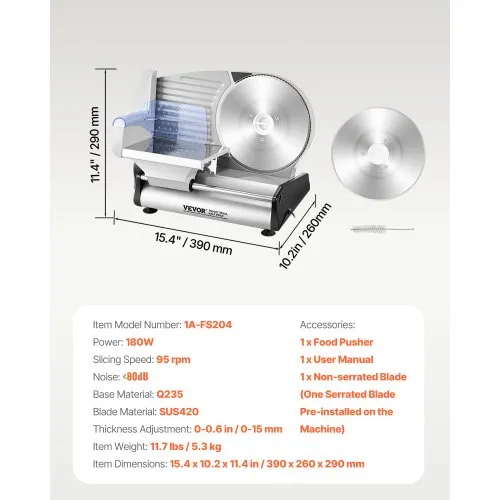
Electric slicers for home use usually need between 100 to 200 watts. This power is enough for slicing meats, cheese, and vegetables. They work well for light tasks and small amounts. These models are often lightweight and easy to clean. Their power lets you slice smoothly without much effort.
Commercial Grade Machines
Commercial slicers need much more power, usually between 300 and 600 watts. These machines handle large volumes and tough meats. They are built for continuous use in shops and restaurants. Strong motors ensure fast and precise slicing. These slicers are heavier but last longer.

Credit: www.amazon.ca
Energy Efficiency Tips
Electric slicers usually need between 100 to 300 watts of power. Choosing the right power level helps save energy and run the slicer efficiently. Understanding power needs prevents wasting electricity and keeps your bills low.
Choosing The Right Power Level
Electric slicers need different power levels for various tasks. Use a lower power setting for soft foods. High power settings work best for hard or frozen items. Choosing the right power saves energy and keeps the slicer safe. It also helps the slicer last longer.
Maintenance For Optimal Performance
Keep the slicer clean to avoid extra power use. Sharpen blades often; dull blades need more power. Check for loose parts or worn-out pieces regularly. Proper maintenance ensures the slicer works well and uses less electricity.
Safety And Power
Overload protectionhelps prevent damage to the electric slicer. It stops the motor if the slicer gets too hot or uses too much power. This feature keeps the slicer safe and working longer.
Using the right wiring and outlets is important for safety. The slicer needs a power source that matches its voltage and current needs. Incorrect wiring can cause sparks or fires. Always use properly grounded outletsand check that wires are not damaged or loose.
Credit: www.vevor.ca
Power And Cost Correlation
Initial investmentfor an electric slicer varies with power capacity. Higher wattage models usually cost more upfront. This is because they have stronger motors and better build quality.
Long-term energy costsdepend on how often the slicer is used. A slicer with higher power may use more electricity per hour. But it might finish tasks faster, saving time and energy overall.
| Power (Watts) | Initial Cost ($) | Energy Use (kWh per hour) |
|---|---|---|
| 100-150 | 50-80 | 0.1-0.15 |
| 150-300 | 80-150 | 0.15-0.3 |
| 300+ | 150+ | 0.3+ |
Choosing the right power depends on budget and usage. Balance initial costwith energy savingsover time.
Power Requirements By Slicer Type
Manual slicersdo not need power since they are operated by hand. They are good for small tasks and save electricity.
Electric slicersneed power to work. Most electric slicers use between 100 to 300 watts. The power depends on the blade size and motor strength.
| Slicer Type | Power Source | Power Usage | Notes |
|---|---|---|---|
| Manual | None | 0 watts | Operated by hand, no electricity needed |
| Electric Corded | Plugged into wall | 100-300 watts | Consistent power, good for heavy slicing |
| Electric Cordless | Battery powered | Lower wattage, around 50-150 watts | Portable but less powerful |
Frequently Asked Questions
What Is The Ideal Power Wattage For Electric Slicers?
Electric slicers typically need between 100 to 200 watts for efficient performance. Higher wattage ensures smoother slicing, especially for tougher foods. Choosing a slicer within this range balances power consumption and cutting ability effectively.
Does Higher Wattage Mean Better Slicing Performance?
Generally, higher wattage leads to stronger motor power and cleaner cuts. It helps slice dense or frozen foods without strain. However, beyond a point, extra wattage may not significantly improve slicing quality.
How Does Power Affect Electric Slicer Speed?
Power directly influences blade rotation speed and slicing efficiency. More watts allow faster, consistent slicing with less effort. This means quicker meal prep and uniform slices every time.
Can Low-power Slicers Handle Thick Meats?
Low-power slicers struggle with thick or hard meats and may overheat. For heavy-duty slicing, a wattage of 150 or more is recommended. This prevents motor strain and ensures smooth operation.
Conclusion
Choosing the right power for an electric slicer matters a lot. Higher power means the slicer cuts through tough foods easily. Lower power works well for soft or thin items. Think about what you slice most often. This helps pick a slicer that fits your needs.
A good balance of power saves energy and effort. Now you can choose with confidence and slice with ease. Simple steps lead to better kitchen results every time.