
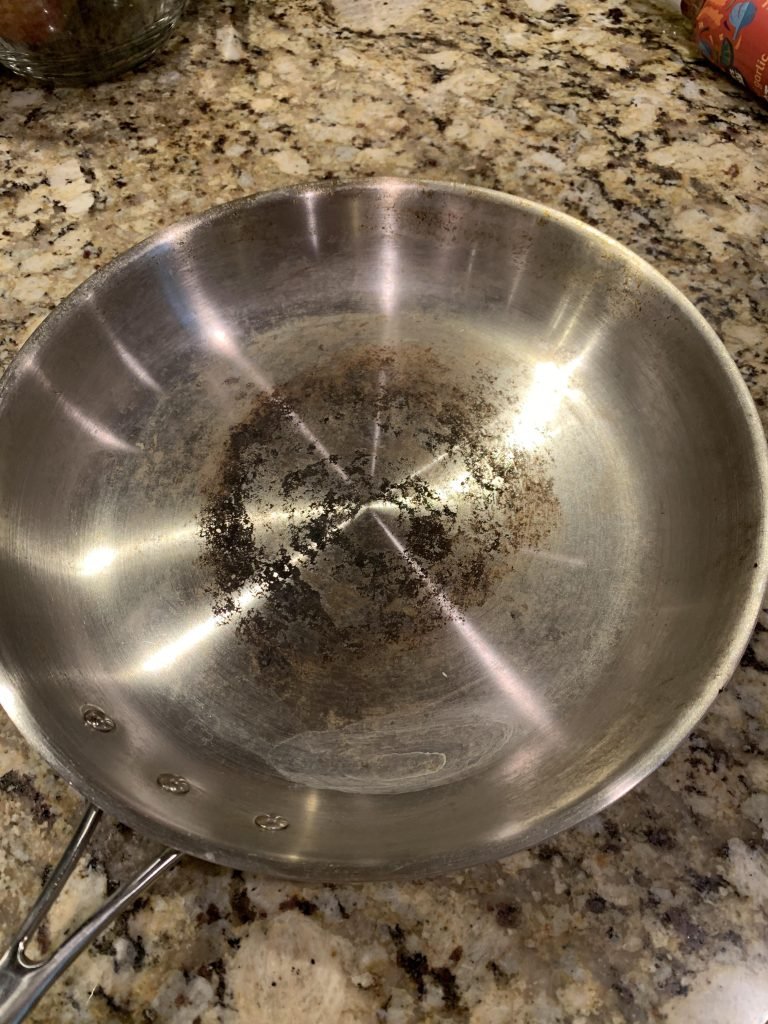
Are you tired of scrubbing your Calphalon cookware with no success? You’re not alone.
Many home cooks find themselves frustrated with lingering stains and residue on their beloved pans. But here’s the good news: keeping your Calphalon cookware spotless doesn’t have to be a chore. In this guide, you’ll discover simple yet effective cleaning methods that will make your pots and pans look brand new.
Imagine the satisfaction of cooking with sparkling clean cookware every time. Ready to transform your kitchen routine? Let’s dive into the secrets of maintaining your Calphalon cookware with ease.

Credit: prudentreviews.com
Types Of Calphalon Cookware
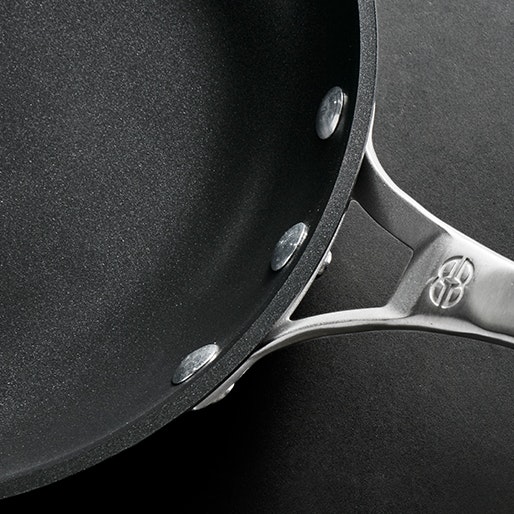
Calphalon cookware comes in different types. Nonstick pans are popular. They are easy to use. Stainless steel pans are durable. They last long. Cast iron pans hold heat well. They cook food evenly. Hard-anodized aluminum pans are strong. They resist scratches. Ceramic pans are eco-friendly. They offer good cooking. Each type has special features.
Choosing the right type is important. Nonstick pans are great for eggs. Stainless steel pans work well for searing. Cast iron pans are best for slow cooking. Hard-anodized aluminum pans are good for everyday use. Ceramic pans provide a healthy option. Think about what you cook often. This helps in choosing.
Gathering Cleaning Supplies
First, gather a soft sponge and mild dish soap. These are importantfor cleaning. A soft cloth can be helpful too. Avoid using harsh scrubbers. They can damage the cookware surface. Baking soda is useful for tougher stains. It helps in removing stubborn spots. White vinegar can also be used. It cleans and shines the cookware.
Warm water is necessary for rinsing. It helps remove soap residues. A drying towel is also needed. It keeps the cookware dry after cleaning. Remember, keeping supplies ready saves time. It ensures a smooth cleaning process.
Pre-cleaning Steps
Start by cooling the cookware. Hot pans can cause burns. Let them sit for a while. Scrape off any food bits. Use a plastic spatula for this. Avoid metal scrapers. Metal can damage the surface. Fill the sink with warm water. Add a few drops of dish soap. Mix it well. This helps in loosening grime. Place the cookware in the sink. Let it soak for 10 minutes. Avoid using harsh chemicals. They might harm the coating. Prepare a soft sponge. Use it to clean the surface. This keeps the cookware safe. Rinse thoroughly with clean water. Ensure no soap is left behind. This prevents any residue from sticking.
Cleaning Nonstick Calphalon
Use a soft sponge or cloth for cleaning. Avoid using steel wool. Hot soapy water helps remove stains. Rinse the cookware thoroughly. Dry with a soft towel. Ensure cookware is dry before storing.
Never use harsh chemicals like bleach. They damage the nonstick surface. Do not clean with metal utensils. They scratch the coating. High heat can warp the cookware. Always cook on medium heat. Dishwashers can be rough. Hand wash for better care.
Caring For Hard-anodized Calphalon
Mild dish soap works well for daily cleaning. Avoid harsh cleaners that scratch surfaces. A soft sponge is ideal for wiping. Baking soda can help with greasy spots. Vinegar removes mineral deposits. Never use steel wool; it damages the coating. Warm water rinses away soap residue. Dry with a soft cloth to prevent water spots.
Mix baking soda with water to form a paste. Apply this paste on stains. Let it sit for 15 minutes. Scrub gently with a soft brush. Rinse thoroughly with warm water. Use vinegar for tough stains. Apply vinegar directly on the stain. Wait 10 minutes before scrubbing. Rinse and dry with a soft towel.
Cleaning Stainless Steel Calphalon
Always wash your Calphalon with warm, soapy water. Use a soft sponge to clean it. Avoid abrasive cleaners. They can scratch the surface. Rinse the cookware well. Dry it with a soft towel. This helps prevent water spots. Store it in a dry place.
Sometimes, Calphalon cookware gets discolored. You can fix this easily. Mix baking soda with water. Make a thick paste. Rub the paste on the discolored areas. Use a soft cloth. Rinse the paste off with warm water. Dry your cookware completely. This makes it shiny again.
Drying And Storing Cookware
Drying Calphalon cookware is very important. Use a soft towel for this. A dry cookware prevents rust and spots. After drying, store them properly. Stacking can scratch them. Place paper towels between pans to prevent scratches. Store cookware in a dry, cool place. This keeps them in good shape. Avoid hanging pots if the hooks are metal. Metal can scratch the surface. Use a soft, lined rack instead. Keeping cookware dry and stored well makes them last longer. Enjoy cooking with your clean, shiny pans!
Credit: www.calphalon.com
Maintaining Cookware Longevity
Check your cookware often. Look for scratches and dents. These can harm the cookware. Inspect handles for safety. Make sure screws are tight. Check the surface for wear. Regular checks keep your cookware healthy. Avoiding damage means longer use. Cookware lasts when well cared for.
Use the right utensils. Metal can scratch the surface. Wood and plastic are safer. Keep heat low. High heat can damage the pan. Always use a gentle sponge. Harsh scrubbers can ruin the finish. Clean after each use. Proper care helps the cookware last. Simple steps make a big difference.
Common Mistakes To Avoid
Scrubbing too hard can scratch the surface. This reduces the non-stick quality. Use a soft sponge instead. Avoid using metal utensils. They can also damage the surface. Hot water is good for cleaning. Cold water can leave spots. Dry cookware immediately after washing. This prevents water spots. Do not use harsh chemicals. They can ruin the coating. Stick to mild soap and water. Never put Calphalon in the dishwasher. It can cause warping. Hand washing is best for longevity. Always check the manufacturer’s instructions. This ensures proper care.

Credit: prudentreviews.com
Frequently Asked Questions
How Do You Make Calphalon Pans Look New?
Clean Calphalon pans using warm water and mild dish soap. Scrub gently with a non-abrasive sponge. Dry thoroughly with a soft cloth to prevent water spots. For stubborn stains, use baking soda paste, scrub gently, and rinse. Regular cleaning keeps them looking shiny and new.
What Is The Best Cleaner For Calphalon Pans?
Bar Keepers Friend is ideal for cleaning Calphalon pans. It removes stains and maintains the non-stick surface effectively. Use a soft sponge with warm water for best results. Avoid harsh abrasives to prevent scratches and prolong the lifespan of your pans.
When Should I Throw Away My Calphalon Pans?
Replace Calphalon pans when they show deep scratches, warped surfaces, or nonstick coating starts peeling. Discard if food sticks persistently or handles loosen. Regularly inspect pans for wear and tear to ensure safe cooking. Proper maintenance can extend their lifespan, but visible damage signals it’s time to replace them.
How Do You Restore Old Calphalon Pans?
Clean Calphalon pans with warm soapy water and a soft sponge. Remove stains using a baking soda paste. Gently scrub in circular motions. Rinse thoroughly and dry with a towel. Avoid metal utensils and harsh cleaners to maintain the pan’s surface.
Restore shine with a little vegetable oil.
Conclusion
Cleaning Calphalon cookware is simple with the right steps. Start by using mild dish soap. Avoid harsh scrubbing to prevent damage. Dry thoroughly to stop water spots. Regular care keeps your cookware shining. Remember, gentle cleaning extends its lifespan. Use soft sponges for best results.
Store pieces carefully to avoid scratches. These tips ensure your Calphalon stays in top shape. Enjoy cooking with clean, well-cared-for pans. Keep your kitchen routine simple and effective. Happy cooking with your gleaming cookware!