
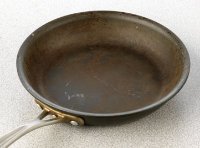
Are you tired of scrubbing away at your hard anodized cookware, only to find stubborn stains and residues that just won’t budge? You’re not alone.
Many people struggle with maintaining the pristine look and performance of their beloved kitchen essentials. But what if you could effortlessly keep your cookware looking as good as new, while ensuring it lasts for years to come? Imagine cooking your favorite meals without worrying about damaging those precious pots and pans.
With the right cleaning techniques, you can achieve just that. Dive into our guide to discover simple, effective methods to clean your hard anodized cookware, and transform your kitchen routine from a chore to a delight. Your cookware deserves the best care, and you deserve the peace of mind knowing it’s perfectly maintained. Keep reading to unlock the secrets!

Credit: prudentreviews.com
Benefits Of Hard Anodized Cookware
Hard anodized cookware is very strong. It lasts for a long time. You can use it every day. The surface is smooth and non-stick. Food does not stick easily. This makes cooking easy. Cleaning is easy too. Just wash with soap and water.
It heats up fast and cooks food evenly. This saves time and energy. The cookware is also safe. It does not have harmful chemicals. It is perfect for healthy cooking. Many people love it for these reasons.
Initial Cleaning Before Use
Hard anodized cookware needs special care. Wash it with warm water and mild soap. Use a soft sponge. Avoid abrasive pads. These can scratch the surface. Rinse the cookware well. Make sure all soap is gone. Dry the cookware with a soft towel. This prevents water spots. Check for any leftover food bits. Remove them gently. Inspect the cookware for damages. Handle it with care.
Daily Cleaning Routine
Gentle detergents are best for hard anodized cookware. They clean without scratching. Use warm water and detergent. Mix them well. Scrub gently with a soft sponge. Remove food bits and stains. Rinse thoroughly with water. Dry with a soft cloth. This keeps the cookware shiny and clean.
Harsh scrubbers can damage the cookware surface. Use soft sponges instead. Hard scrubbers leave scratches. These scratches ruin the surface. They make cookware look old. Soft sponges clean without harm. They protect the cookware finish. Keep your cookware looking new.
Deep Cleaning For Stubborn Stains
Hard stains need special care. Use baking soda and vinegar. First, sprinkle baking soda on the stain. Then, pour vinegar slowly. It will fizz and bubble. Let it sit for 10 minutes. This helps to loosen the stain.
Use a soft sponge to scrub gently. Rinse with water. Check the stain. Repeat if needed. This method is safefor cookware. It does not scratch surfaces.
Sometimes, soaking works best. Fill the pan with warm water. Add a few drops of dish soap. Let it sit overnight. This helps to softenstubborn bits. Use a sponge to wipe away loosened grime.
Removing Burnt Residues
Easily clean hard anodized cookware by soaking it in warm, soapy water. Scrub gently with a non-abrasive sponge. For stubborn residues, use baking soda and water to make a paste. Apply and let it sit for a few minutes. Rinse thoroughly to reveal a shiny, residue-free surface.
Boiling Water Approach
Fill the cookware with water. Bring the water to a boil. Let it boil for 5 minutes. Burnt food loosens with heat. Use a wooden spoon to gently scrape. Rinse the cookware with clean water. Dry it with a soft cloth.
Using Specialized Cleaners
Choose a cleaner for hard anodized surfaces. Read the label carefully. Apply cleaner to affected areas. Use a soft sponge for scrubbing. Avoid metal brushes. Rinse with warm water. Check for any remaining residue. Repeat if necessary. Ensure cookware is completely dry before storing.

Credit: www.youtube.com
Maintaining Cookware Longevity
Storing cookware the right way is essential. Stacking pans can lead to scratches. Use pan protectors between each piece. Hang pots if space allows. This prevents damage. Keep lids and handles intact.
Ensure cookware is dry before storing. Moisture can cause stains. Keep cookware in a cool, dry place. Avoid storing near heat sources.
High heat can harm cookware. Always use medium or low heat. This helps in maintaining the surface. High temperatures can cause warping.
Let cookware heat gradually. Sudden heat changes can damage it. Use oil or butter to help prevent sticking. Never heat empty pans. This can damage the coating.
Common Mistakes To Avoid
Metal utensils can scratch the surface. This can damage the cookware. Scratches make cleaning harder. They also reduce the life of the cookware. Use wooden or silicone tools instead. These are gentle on the surface. They keep the cookware safe. Your food will also taste better. No metal taste in your food.
Dishwashers use strong detergents. These can harm the cookware. The heat is also too high. This can warp the cookware. Hand wash to keep it safe. Use mild soap and warm water. Rinse well and dry with a towel. This helps maintain its shine. It also ensures long-term use.

Credit: www.youtube.com
Frequently Asked Questions
How Do You Clean Hard Anodized Pans?
Clean hard anodized pans with warm water, mild dish soap, and a soft sponge. Avoid steel wool and abrasive cleaners. Dry thoroughly after rinsing. For stubborn stains, soak the pan in warm soapy water before scrubbing gently. Regular cleaning maintains the pan’s non-stick surface and durability.
What Are The Disadvantages Of Hard Anodized Cookware?
Hard anodized cookware can be expensive. It may not be compatible with induction cooktops. Over time, the coating can wear off, exposing the aluminum. It requires careful cleaning to avoid damage. Not all pieces are dishwasher safe, which adds to maintenance efforts.
How To Clean Off Burnt-on Grease From Anodized Steel Pan?
To clean burnt-on grease from anodized steel pans, use baking soda and vinegar. Apply baking soda, then vinegar. Scrub gently with a non-abrasive sponge. Rinse thoroughly with warm water. Dry immediately to prevent water spots. Avoid harsh cleaners to maintain the pan’s finish.
Repeat if necessary for stubborn stains.
Can You Use Bar Keepers Friend On Hard Anodized Aluminum?
Bar Keepers Friend is not recommended for hard anodized aluminum. It may damage the protective layer. Use mild soap and water for cleaning. Avoid abrasive cleaners to maintain the cookware’s finish.
Conclusion
Cleaning hard anodized cookware is simple with the right approach. Regular washing ensures longevity and performance. Use mild soap and a soft sponge for daily cleaning. Avoid harsh abrasives to keep surfaces smooth. Dry cookware thoroughly to prevent water spots.
For tough stains, soak in warm water before scrubbing gently. Proper care maintains the non-stick quality. Remember, patience is key. Handle cookware with care for best results. A little effort goes a long way in preserving these kitchen essentials. Keep your cookware clean for delicious meals every time.
Enjoy cooking with confidence and ease.