
Do you ever wonder why your meals don’t taste quite right, even when you follow the recipe to a tee? It might not be your cooking skills at fault, but rather your cookware.
Seasoning your cookware is a simple yet transformative step that can elevate your cooking to new heights. Imagine effortlessly flipping pancakes that glide off the pan or savoring a perfectly seared steak that’s bursting with flavor. Seasoning isn’t just for the pros; it’s a secret weapon you can easily wield.
Ready to unlock the full potential of your kitchen tools and make every meal memorable? Let’s dive into the art of seasoning your cookware and revolutionize your cooking experience.
Importance Of Seasoning Cookware
Seasoning cookware is very important. It helps to protect pans from rust. This process makes pans non-stick. Food cooks better in seasoned pans. Flavors are richerin seasoned pans. Seasoning saves you from scrubbing hard. It keeps pans clean and shiny. It also makes pans last longer. Everyone who cooks should season their pans. It is not hard to do.
Seasoning adds a layer of oil. This layer seals the surface. It is like magic. No more sticky mess. It is easy to clean. Just wipe with a cloth. You will love cooking after seasoning. Seasoning is great for iron pans. Other pans need it too.
:max_bytes(150000):strip_icc()/__opt__aboutcom__coeus__resources__content_migration__serious_eats__seriouseats.com__images__2016__09__20160817-cast-iron-pan-vicky-wasik-collage-1500x1125-a15711a84a054cca9268b8ddda1e5dd2.jpg)
Credit: www.seriouseats.com
Types Of Cookware To Season
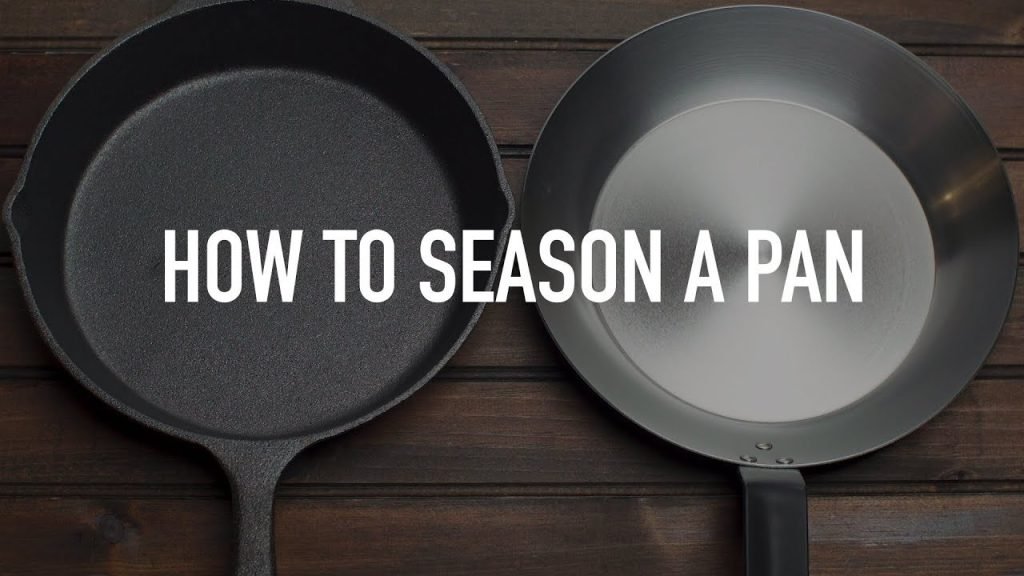
Cast iron needs seasoning for a smooth surface. It helps stop rust. Use oil for seasoning. Heat the pan in the oven. This process makes the pan last longer.
Carbon steel is like cast iron. It needs seasoning too. The process is the same. Use oil and heat the pan. This makes cooking easy and prevents food sticking.
Stainless steel does not need seasoning. It’s shiny and rust-free. Some cooks like to season it. It can help with sticking food. Use oil and heat for a light layer. This is not needed but can be helpful.
Tools And Materials Needed
Oils and Fatsare key for seasoning. Choose oils like vegetable or flaxseed. These oils are easy to find. They help make cookware non-stick. Always use fresh oil. Rancid oil can spoil the process.
Cleaning Supplieskeep cookware clean. Use soap and water first. A clean cloth is useful. Scrub gently to remove dirt. Avoid harsh chemicals. They damage cookware.
Heating Equipmentis needed for seasoning. Use an oven or stove. Heat helps oil spread evenly. Use medium heat for best results. Check cookware often to prevent burning.
Step-by-step Seasoning Process
Start by scrubbing the cookware with warm water. Remove food bits and dirt. Use mild soap if needed. Dry it completely with a clean towel. Moisture can cause rust.
Pour a small amount of oil onto the cookware. Spread the oil evenly. Use a paper towel or cloth. Cover every surface thoroughly. Ensure the oil is thin and even.
Place the cookware on the stove or in the oven. Heat it gradually. The oil should start to smoke. Let it heat for about an hour. This process bonds the oil to the cookware.
Turn off the heat and let the cookware cool. Do not rush this step. Once cooled, wipe off excess oil. Store it in a dry place. Proper storage keeps it seasoned longer.
Common Mistakes To Avoid
Oil choice matters. Some oils can’t handle high heat. Vegetable oil is a good choice. Avoid butter or olive oil. These can burn easily. High smoke point oils are best for seasoning. They help build a strong layer.
Dirty cookware doesn’t season well. Wash it first. Soap and water are enough. Scrub gently to remove old food. Rinse and dry completely. Wet pans can rust. Always dry before seasoning.
Heat evenly for best results. Turn your stovetop to medium. Check the heat with your hand. Move it over the pan. Feel for warm spots. Adjust the heat if needed. Even heat helps oil bond nicely.
:max_bytes(150000):strip_icc()/Nonstick-Skillets-Carson-Downing-Meredith-6c9222688f3847e69387b712ef43491f.png)
Credit: www.allrecipes.com
Maintaining Seasoned Cookware
Clean cookware after each use. Use warm water and a soft sponge. Avoid dish soap. It can strip the seasoning. Dry the cookware completely. This prevents rust. Store it in a dry place.
Re-season cookware every few months. Apply a thin layer of oil. Use vegetable or canola oil. Place cookware in the oven. Set the temperature to 350°F. Bake for one hour. Turn off the oven. Let it cool inside the oven.
Store cookware in a dry place. Stack pans with paper towels. This keeps them dry. Keeps scratches away too. Ensure the place is cool. Avoid damp areas.
Benefits Of Well-seasoned Cookware
Well-seasoned cookwareoffers many great benefits. Food cooks more evenly. This makes meals taste better. Heat spreads smoothly across the pan. This helps in cooking food well. There are no hot spots.
Seasoning also makes cookware last longer. It keeps rust away. This means you can use your pans for many years. Taking care of them is easy.
Non-stick properties are improved with seasoning. Food does not stick easily. Cleaning becomes quick and simple. Less oil is needed for cooking. This makes meals healthier.
:max_bytes(150000):strip_icc()/__opt__aboutcom__coeus__resources__content_migration__serious_eats__seriouseats.com__images__2016__09__20160817-cast-iron-pan-vicky-wasik-3-c56f176298784fef9e60f6cea198e0e4.jpg)
Credit: www.seriouseats.com
Frequently Asked Questions
How Do You Season Cookware Before First Use?
Clean the cookware thoroughly. Apply a thin layer of oil on its surface. Heat it in the oven at 350°F for an hour. Let it cool inside the oven. Repeat this process if needed for better seasoning.
What Is The Best Thing To Season A Pan With?
The best seasoning for a pan is flaxseed oil. It creates a durable, non-stick surface. Use a thin layer and bake it at high heat. Repeat the process several times for optimal results. Flaxseed oil is preferred because it polymerizes well, enhancing the pan’s longevity and cooking performance.
How Do Chefs Season Their Pans?
Chefs season pans by heating them, adding a thin oil layer, and letting it cool. This creates a non-stick surface. Use oils like vegetable or flaxseed. Avoid soaps to maintain seasoning. Regular seasoning improves flavor and pan longevity.
Do You Need To Season Cookware?
Yes, seasoning cookware enhances its non-stick properties and prevents rust. Cast iron and carbon steel need regular seasoning. To season, apply a thin layer of oil and heat until it smokes. This creates a protective layer. Proper seasoning improves durability and cooking performance, ensuring food doesn’t stick.
Conclusion
Seasoning cookware is simple and rewarding. It extends cookware life and enhances flavor. Follow the steps carefully to achieve best results. Enjoy cooking with confidence and ease. Properly seasoned pans prevent food sticking. This leads to a delightful cooking experience.
Maintenance is key. Keep your cookware well-seasoned for optimal performance. Regular seasoning helps retain non-stick surface. It’s a small effort for big gains in cooking. Happy cooking with your well-seasoned cookware!