
Stainless steel cookware is a kitchen staple for many households, but there’s a question that often lingers in the minds of both seasoned cooks and beginners alike: does stainless steel cookware stick? If you’ve ever found yourself scraping burnt remnants off your pan, you’re not alone.
Understanding how stainless steel interacts with food can make all the difference in your cooking experience. Imagine effortlessly sliding a perfectly cooked piece of salmon onto your plate, or flipping a pancake without a hitch. The secret to achieving this might be simpler than you think.
By diving into the world of stainless steel cookware, you’ll discover the tips and tricks that can transform your cooking experience from a sticky mess to smooth sailing. Are you ready to unlock the potential of your stainless steel cookware and elevate your culinary creations? Let’s uncover the truth about sticking and explore how you can make your kitchen time more enjoyable and efficient.
Stainless Steel Cookware Basics
Stainless steelis a popular choice for cookware. It is made from iron and carbon. It also has chromium. This mix makes it strongand rust-resistant. Stainless steel is shiny. It does not stain easily. It is safefor cooking.
Many chefs use stainless steel pots and pans. It can handle high heat. It does not react with food. This keeps the food’s taste pure. It is great for frying and boiling. Stainless steel is also used for baking.

Credit: prudentreviews.com
Why Food Sticks To Stainless Steel
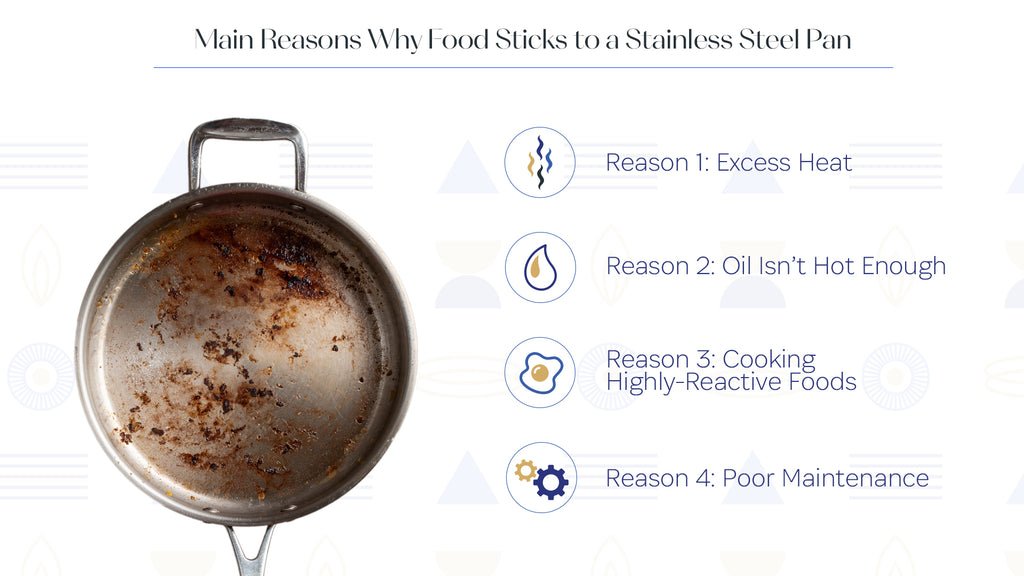
Stainless steel cookware often sticks because of its smooth surface, which lacks a non-stick coating. Heat can cause food proteins to bond with the metal, making it difficult to remove. Using oil or butter can reduce sticking by creating a barrier between the food and the pan.
Heat Distribution And Retention
Stainless steel pans can heat unevenly. This can cause food to stick. Hot spots appear if the pan heats unevenly. These spots can burn the food. The pan retains heat well. But it cools slowly. Proper preheating is important. It allows even cooking. Cold spots prevent food from cooking well. They make food stick.
Impact Of Cooking Methods
Cooking methods affect how food sticks. High heat can make food stick. It can burn it quickly. Low heat can also make food stick. It may not cook evenly. Stirring can help. It moves food around. This prevents sticking. Using oil or butter helps too. It creates a barrier. Frying and sauteing need careful heat control. They prevent food from sticking.
Preventing Sticking
Preheating the pan is important. It helps food not stick. Heat the pan until it is warm. Test with water droplets. If they sizzle, the pan is ready. Too hot or cold makes food stick. Always preheat before cooking. This simple step can save time and effort. It makes cooking easier.
Use oil or fat to prevent sticking. Coat the pan lightly. Butter and oil work well. They create a barrier between the food and pan. Don’t use too much oil. Excess oil can make food greasy. A small amount is enough. This keeps food from sticking and helps it cook evenly.

Credit: www.reddit.com
Cooking Tips For Stainless Steel
Heat management is key when using stainless steel. Start with a low flame. Slowly increase the heat. This helps in even cooking. Avoid very high heat. Food can stick if the pan gets too hot. Preheat the pan before adding oil. Test the heat by adding a drop of water. It should sizzle softly.
Cleaning stainless steel needs gentle care. Use warm water and mild soap. Avoid harsh scrubbers to prevent scratches. Soak stubborn food bits in water. Use a soft cloth to clean. Rinse with clean water. Dry the pan to avoid spots. Store in a dry place to keep it shiny.
Comparing Stainless Steel With Other Cookware
Non-stick panshave a special coating. Food doesn’t stick easily. These pans are easy to clean. But the coating can wear off. Scratches happen if you use metal utensils.
Cast iron panslast very long. They need regular seasoning. This helps prevent sticking. Cast iron is heavy. It heats evenly and keeps heat well.
Copper panslook beautiful. They heat fast. They need lining inside. Usually, it is stainless steel or tin. Without lining, food sticks easily. Copper pans can change color over time.
Credit: thatothercookingblog.com
Benefits Of Cooking With Stainless Steel
Stainless steel cookware is very strong. It does not break easily. This cookware can last for many years. You do not need to buy new pans often. Stainless steel is also resistant to rust and corrosion. This makes it a great choice for kitchens. Your pots and pans will look new for a long time. Many people choose it because of its long life.
Cooking with stainless steel is safe. It does not react with food. No harmful chemicals will get into your meals. This cookware does not add any unwanted flavors. Stainless steel keeps your food tasting fresh. It is a healthy choice for cooking. Many chefs prefer it for these reasons. Your family will enjoy safe and tasty meals every time.
Common Misconceptions
Many think stainless steel pans always stick. This is not true. Food can stick if the pan is too cold. Or if the pan is too hot. Using the right heat is key. Not too hot. Not too cold.
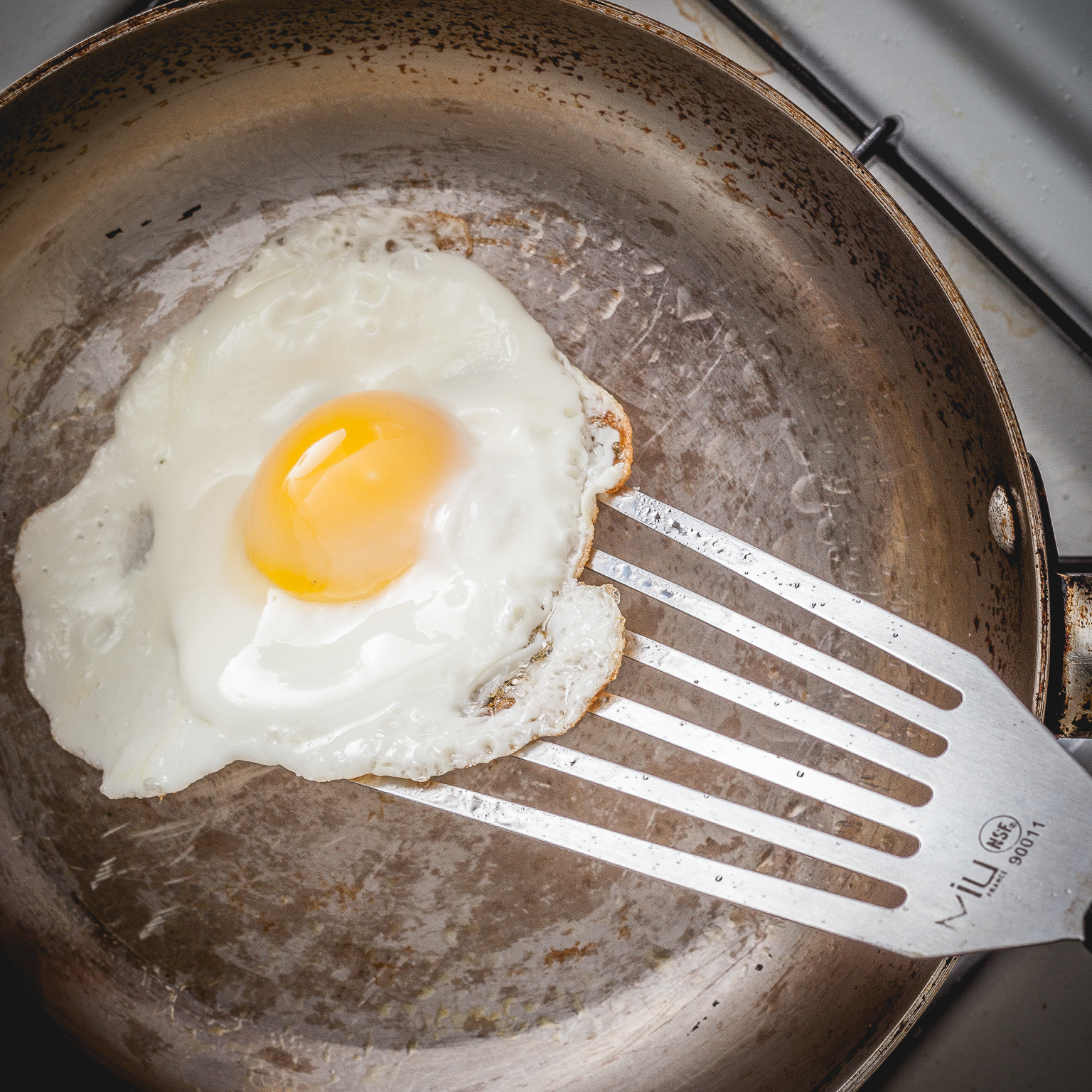
Some foods stick more than others. Eggs and fish can be tricky. It’s all about practice. And patience. Over time, you’ll learn what works best.
Some say stainless steel is hard to clean. This is a big myth. Proper care makes cleaning easy. Use warm water and mild soap. No need for harsh scrubbers. Let the pan cool before washing.
Another myth is that stainless steel rusts. Good quality stainless steel does not rust. Keep it dry after washing. This keeps it shiny and nice. Stainless steel can last for years with the right care.
Frequently Asked Questions
How Do You Stop Stainless Steel Pans From Sticking?
Preheat the pan before adding oil. Ensure oil is hot before placing food. Use moderate heat and avoid overcrowding. Opt for stainless steel pans with a smooth surface. Clean pans thoroughly after each use to prevent residue buildup.
What’s The Downside Of Stainless Steel Cookware?
Stainless steel cookware can be prone to uneven heat distribution, causing hot spots. It often requires oil or fat to prevent sticking. High-quality stainless steel can be expensive. It may react with acidic foods, altering taste. Cleaning can be challenging due to potential staining.
What Should You Not Cook In Stainless Steel?
Avoid cooking acidic foods like tomatoes or vinegar-based sauces in stainless steel. They can cause discoloration and metallic taste. Avoid cooking sticky foods like eggs without proper oiling, as they can stick to the surface. Maintain your stainless steel cookware with regular seasoning to ensure optimal cooking results.
Is It Better To Use Stainless Steel Or Nonstick?
Stainless steel offers durability and high heat resistance, ideal for searing and browning. Nonstick pans provide easy food release and require less oil, perfect for delicate dishes. Choose based on cooking needs and preference.
Conclusion
Stainless steel cookware can stick sometimes. But it’s manageable. Preheat the pan. Use oil or butter. These prevent sticking. Cooking at lower heat helps. Don’t rush cooking. Proper care makes it easy. Clean with gentle scrubbers. Avoid harsh chemicals. Stainless steel lasts long.
It’s durable and versatile. Ideal for many dishes. Practice makes perfect. Choose quality cookware. Follow these tips for better results. Experiment with recipes. Enjoy cooking without worries. Stainless steel offers reliability. Keep learning and trying. Happy cooking!