
Have you ever found yourself frustrated with food sticking to your stainless steel cookware, despite your best efforts? You’re not alone.
Many home cooks face this common issue, and it can make cooking less enjoyable. But what if there was a way to transform your stainless steel pots and pans into nonstick marvels without breaking the bank on a whole new set?
Imagine gliding your spatula effortlessly under your perfectly cooked omelet or searing a steak with ease. Intrigued? You’ll discover simple yet effective techniques to make your stainless steel cookware nonstick, turning cooking from a chore into a pleasure. Stick around, and you’ll soon be cooking like a pro with cookware that performs just as you need it to.

Credit: thatothercookingblog.com
Seasoning Your Cookware
Pick an oil with a high smoke point. Canola or grapeseed oil are good choices. These oils help create a nonstick layer. Pour a small amount on the pan. Spread it evenly with a paper towel. Make sure the whole surface is covered. This will help the pan become nonstick.
Place the pan on the stove. Turn the heat to medium. Let it heat for 5 minutes. This helps the oil bind to the pan. It creates a smooth and nonstick surface. Do not rush this step. Heating too fast can ruin the process.
Let the pan cool down after heating. Do not wash it immediately. Wipe it with a clean cloth. Store in a dry place. This keeps the nonstick layer intact. Proper care makes the pan last longer.
Credit: thatothercookingblog.com
Temperature Control
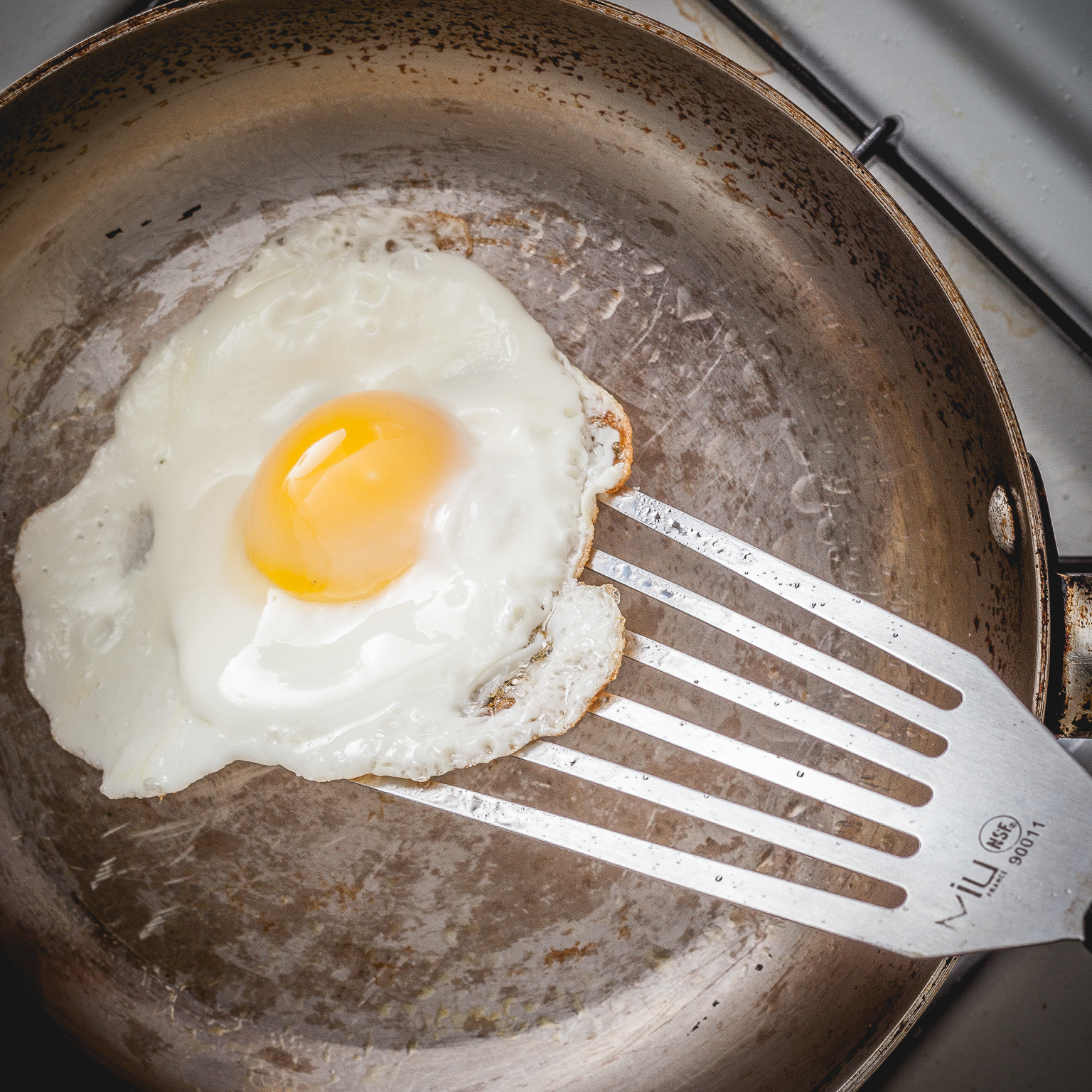
Preheat the stainless steel pan before adding food. This helps prevent sticking. Use low to medium heat for preheating. Let the pan heat for a few minutes. You can test the heat with a drop of water. If it sizzles, the pan is ready. Remember, a hot pan is key to nonstick cooking.
Keep the heat level steady while cooking. Sudden changes in heat can cause food to stick. Adjust the heat as needed but avoid high heat. High heat can damage the pan’s surface. Stir food often to keep it moving. A consistent heat helps in even cooking.
Cooking Techniques
Use enough fat to coat the pan. Butter or oil works well. Fat creates a barrier between food and pan. Preheat the pan before adding fat. This prevents sticking.
Do not fill the pan too much. Space allows heat to circulate. Food cooks evenly. Overcrowding causes sticking. Cook in batches if needed.
Stir food gently. Use a spatula or spoon. Avoid scraping the pan. Scraping can damage the surface. Slow stirring keeps food from sticking.
Cleaning And Maintenance
Use warm water and mild dish soap. This keeps cookware safe. Avoid strong chemicals. These can hurt the steel surface.
Soft sponges are best for cleaning. Steel wool can scratch the pan. Scratches make food stick more.
Seasoning helps keep pans nonstick. Use oil and heat the pan. Do this every few uses. It adds a smooth layer.
Choosing Quality Cookware
Make stainless steel cookware nonstick by seasoning it. Heat the pan, add oil, and let it cool. This simple process creates a natural nonstick surface. Enjoy easy cooking and cleaning with quality cookware.
Evaluating Material And Construction
Stainless steel cookware can be tricky. It needs good material and strong construction. Look for stainless steel with an aluminum or copper core. These metals help heat spread evenly. Even heat means less sticking. Check handles and lids. They should be sturdy and fit well. A tight lid traps steam. This helps food cook evenly and prevents sticking. Heavy pots are better. They stay still on the stove. Light pans can tip over. That makes food stick.
Selecting The Right Size
Size matters in cookware. Choose pans that fit your stove. A big pan on a small burner heats unevenly. Food sticks more if heat is uneven. Pick a pot that fits the food you cook. Too big pots waste heat. Too small pots make food spill over. This makes a mess. Medium-sized pots work for most meals. They heat evenly and keep food inside. Avoid oversized cookware. It can make cooking hard and messy.

Credit: www.theminichef.com
Frequently Asked Questions
How To Make Your Stainless Steel Pan Non-stick?
Season your stainless steel pan by heating it with oil until it smokes. Let it cool, then wipe clean. This creates a protective layer, making it non-stick. Always preheat the pan before adding food. Use medium heat and avoid cooking sprays to maintain the non-stick surface.
How Do You Keep Food From Sticking To Stainless Steel Cookware?
Preheat the pan before adding oil or butter. Use enough oil to coat the surface evenly. Allow food to naturally release when cooking and avoid moving it too soon. Keep the heat consistent and avoid overcrowding the pan. Clean cookware thoroughly to prevent residue buildup.
Can Stainless Steel Be Made Nonstick?
Stainless steel can’t be made nonstick naturally. Applying a nonstick coating can create a nonstick surface. Proper seasoning can also help minimize food sticking. Regular maintenance and cleaning ensure long-lasting nonstick qualities.
How To Stop Fish From Sticking To Stainless Steel?
Preheat the stainless steel pan for a few minutes. Add oil and let it heat. Ensure the fish is dry before placing it gently in the pan. Cook without moving it to develop a crust. Use a spatula to carefully flip the fish for even cooking.
Conclusion
Making stainless steel cookware nonstick involves simple steps. Season your pans regularly. Use quality oils and fats. Heat pans before adding ingredients. Avoid high heat when cooking. Clean your cookware gently. This keeps surfaces smooth. With care, stainless steel can be nonstick.
Cooking becomes easier. Meals taste better. Less food sticks. Enjoy your time in the kitchen. Experiment with different recipes. Try new techniques. Discover the benefits of seasoned cookware. It’s worth the effort. Your cooking experience improves greatly. Stainless steel offers durability.
It’s a smart choice for home chefs. Keep practicing these tips. Your cookware will thank you.