
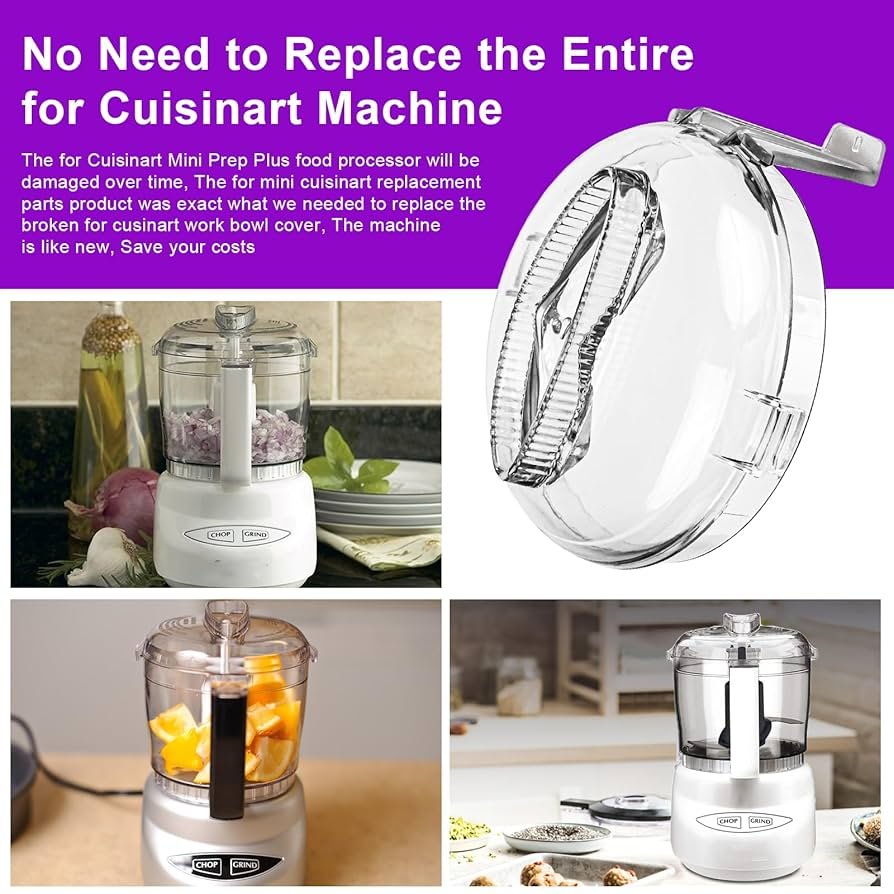
Have you noticed your food processor isn’t working quite right? Maybe the blades are dull, or the bowl has a crack.
Damaged accessories can slow you down in the kitchen and make cooking frustrating. But don’t worry—you don’t have to buy a whole new machine. Replacing those worn-out parts is easier than you think. In this guide, you’ll discover simple steps to get your food processor back to perfect working order.
Keep reading, and you’ll save time, money, and enjoy your cooking again.
Identifying Damaged Accessories
Common signsof wear and tear include cracks, chips, or dull blades. Accessories may also have loose parts or unusual noises during use. Look for discoloration or warping of plastic parts. If the accessory does not fit properly, it may be damaged.
Some parts are more prone to damage. These include:
- Blades:They can become dull or bent.
- Seals and gaskets:These can crack or wear out, causing leaks.
- Plastic bowls and lids:They may crack or break from impact.
- Drive shafts:Can wear down and stop turning accessories.

Credit: www.amazon.com
Finding Compatible Replacements
Check your food processor’s model numberto find the right parts. This number is usually on the bottom or back of the machine. It helps to avoid buying the wrong accessory. Write it down or take a photo for easy reference.
Buy parts from trusted sourcesonly. Official brand websites often sell genuine accessories. Some big online stores also stock authentic parts. Local appliance stores may have replacements too. Always compare prices and check return policies before buying.
| Source | Pros | Cons |
|---|---|---|
| Brand Website | Guaranteed genuine, fits perfectly | Sometimes higher prices |
| Online Retailers | Wide selection, often cheaper | Risk of fake parts |
| Local Stores | Immediate pickup, expert help | Limited stock |
Tools Needed For Replacement
Basic tools make the replacement process easier and safer. You will need a screwdriverset, including both flathead and Phillips types. A pair of pliershelps to grip small parts. Keep a wrenchhandy for tightening bolts.
A clean clothis useful to wipe parts before installing new accessories. Have a small brushready to remove dust and debris from the machine. Use a work matto protect your surface and keep parts organized.
- Screwdrivers (flathead and Phillips)
- Pliers
- Wrench
- Clean cloth
- Small brush
- Work mat
Safety is key. Always unplugthe food processor before starting. Avoid touching sharp blades without protection. Use gloves if available. Keep the work area dryand clean to prevent slips. Check parts for damage before installing to avoid accidents.

Credit: www.amazon.com
Step-by-step Replacement Process
Begin by unplugging the food processor to ensure safety. Remove the damaged accessory carefully and check for the correct replacement part. Attach the new accessory securely before testing the machine to confirm proper installation.
Removing The Damaged Accessory
Unplug the food processor from the power source. Hold the base firmly. Twist or lift the damaged accessory gently. Avoid using force to prevent damage. Clean the area to remove any food bits or residue.
Installing The New Part
Check the new accessory fits your model. Align it carefully with the slots or grooves. Press or twist it into place until it clicks securely. Make sure it is stable and does not wobble.
Testing The Replacement
Plug the food processor back in. Turn it on for a few seconds. Listen for unusual sounds or vibrations. Stop immediately if something feels wrong. Confirm the new part works smoothly before regular use.
Maintaining Accessories For Longevity
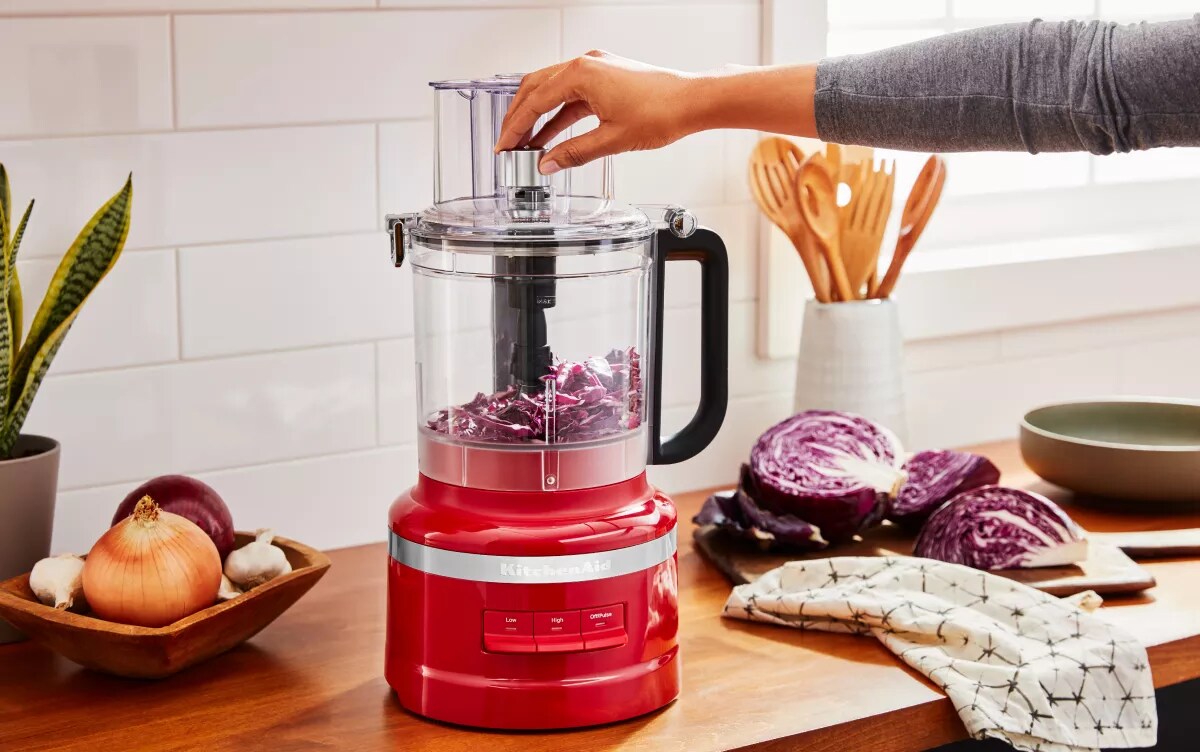
Cleaning food processor accessories right keeps them working well. Use warm water and mild soap to wash parts. Avoid strong chemicals that can damage plastic or metal. Dry each piece fully to stop rust or mold growth.
Store accessories in a dry place. Keep blades and discs in their cases or wrapped in cloth. This protects sharp edges and stops injury. Avoid stacking heavy items on top to prevent cracks or bends.
| Cleaning Tips | Storage Tips |
|---|---|
| Use mild soap and warm water | Store in a dry place |
| Dry completely after washing | Keep blades in their cases |
| Avoid strong chemicals | Do not stack heavy items on accessories |
Credit: www.kitchenaid.com
Frequently Asked Questions
How Do I Identify Damaged Food Processor Accessories?
Check for cracks, breaks, or excessive wear. Inspect blades for dullness or bends. Ensure all parts fit properly and function smoothly. If any accessory doesn’t operate as intended, it may need replacement. Regularly assessing your accessories can help maintain the efficiency and safety of your food processor.
Where Can I Buy Replacement Food Processor Parts?
Purchase replacement parts from the manufacturer’s website or authorized dealers. Online marketplaces like Amazon also offer a variety of options. Ensure compatibility with your food processor model before buying. Reading reviews can help you choose reliable sellers and high-quality parts.
How Often Should I Replace Food Processor Accessories?
Replace accessories when they show signs of wear or damage. Regularly inspect your food processor parts every few months. Proper maintenance can extend the lifespan of your accessories. However, frequent use may require more frequent replacements for optimal performance.
Can I Replace Food Processor Blades Myself?
Yes, replacing food processor blades is simple. Unplug the device before starting. Carefully remove the old blades and install the new ones as per the manufacturer’s instructions. Ensure they are securely fitted before use to avoid any accidents or malfunctions.
Conclusion
Replacing damaged food processor accessories is simple and saves money. Choose the right parts that fit your model. Always check the manual or website for guidance. Clean and dry the accessories before installing them. Regular care helps keep your food processor working well.
Small fixes can extend the life of your appliance. Enjoy fresh meals without worry. Ready to replace those worn parts? Your kitchen will thank you.