

If you want perfectly even cheese slices every time, using a commercial slicer is the way to go. Whether you’re running a deli, preparing for a party, or just love neat, uniform slices, mastering this tool can save you time and effort.
But how do you get started? How can you make sure your cheese slices look professional and delicious? Keep reading, and you’ll learn simple, practical steps to slice cheese like a pro using a commercial slicer. Your cheese game is about to level up!
Credit: www.vevor.ca
Choosing The Right Slicer
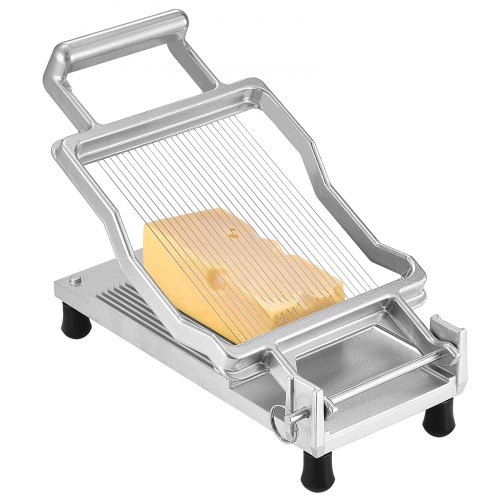
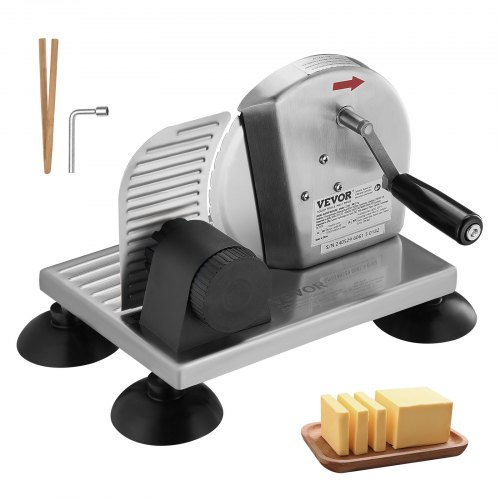
Commercial slicers come in many types. Some are manual, while others are electric. Manual slicers need hand effort, but electric slicers work faster. Choose one that fits your daily useand budget.
| Blade Material | Advantages | Common Sizes |
|---|---|---|
| Stainless Steel | Durable, Rust-resistant | 7 to 14 inches |
| Carbon Steel | Sharp, Long-lasting | 7 to 12 inches |
- Safety guardsprotect hands during slicing.
- Non-slip feetkeep slicer steady on counters.
- Look for automatic shut-offfeatures.
Preparing Cheese For Slicing
Choosing the right cheese typeis key. Firm cheeses like cheddar or Swiss slice best. Soft cheeses may not work well with commercial slicers.
Keep cheese chilledbefore slicing. Cold cheese cuts cleaner and holds shape. Avoid handling cheese too much to prevent warming.
- Remove all packagingand wrappers fully.
- Check for any plastic filmsstuck to the cheese surface.
- Dry the cheese if it feels wet to avoid slipping.
Setting Up The Slicer
Adjust the slicer’s thickness knob to choose how thick the cheese slices will be. Turn the dial slowly to avoid sudden changes. Thin slices work well for sandwiches, while thicker slices suit cheese platters.
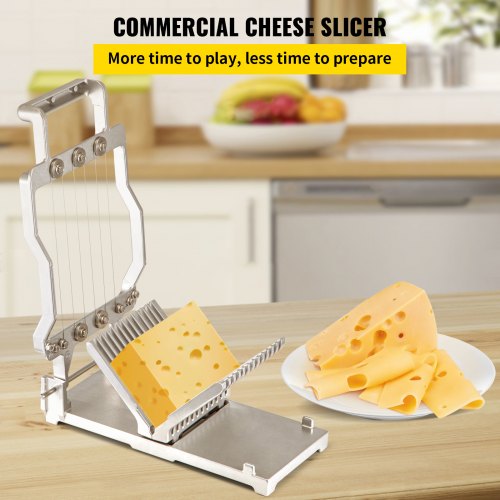
Place the cheese block firmly on the slicer’s base. Use the clamp or holder to secure it. This stops the cheese from moving during slicing and keeps your hands safe.
Position the slicer on a flat, stable surface. Keep your hands away from the blade area. Use the handle or pusher to guide the cheese through the slicer smoothly.
Credit: www.vevor.ca
Slicing Techniques
Consistent slice thicknessis key for good presentation and even melting. Set the slicer to the desired thickness before starting. Use steady pressure and move the cheese smoothly through the blade. Check slices regularly to keep thickness uniform.
Handling soft vs hard cheesesrequires different care. Soft cheeses need gentle pressure to avoid squishing. Use a sharp blade and slice slowly. Hard cheeses allow firmer pressure but still require smooth, even motions to prevent uneven cuts.
- Avoid crumbling and breakageby chilling cheese before slicing.
- Use a sharp blade for clean cuts and less tearing.
- Support the cheese firmly but gently to keep it steady.
- Do not force the cheese through the slicer; let the blade do the work.
Cleaning And Maintenance
Disassembling the slicer carefully helps reach all parts for cleaning. Always unplug the machine first. Remove the blade guard and slicing blade gently. Take out the food carriage and other removable parts. Keep small parts safe to avoid loss.
Sanitizing components is key to safe food handling. Use warm water and mild detergent to wash parts. Rinse thoroughly to remove soap. Wipe non-removable areas with a clean cloth soaked in sanitizer. Dry all parts fully before reassembling.
| Blade Care | Details |
|---|---|
| Sharpening | Use the built-in sharpener or a whetstone. Keep blade angle steady. Sharpen regularly for best cuts. |
| Replacement | Replace blade if dull or damaged. Use manufacturer-approved blades only. Follow instructions carefully. |
Credit: www.vevor.ca
Troubleshooting Common Issues
Uneven slices happen when the cheese is too soft or the blade is dull. Make sure cheese is cold and firm. Check the blade for sharpness and clean it often. Adjust the thickness knob to get even cuts.
Slicer jamming occurs if cheese has hard bits or too much moisture. Remove any hard parts before slicing. Clean the slicer regularly to avoid buildup. Avoid forcing the cheese through the blade.
Safety hazards include cuts and slips. Always use the guard and keep hands away from the blade. Wear cut-resistant gloves if possible. Turn off and unplug the slicer before cleaning or fixing jams.
Frequently Asked Questions
How Do I Safely Use A Commercial Cheese Slicer?
Always read the manual before use. Keep hands away from blades. Use the slicer’s guard and maintain a firm grip. Turn off and unplug when cleaning or not in use.
What Thickness Is Ideal For Slicing Cheese Commercially?
The ideal thickness varies with cheese type but generally ranges from 1/8 to 1/4 inch. Adjust settings for softer or harder cheeses for best results.
Can All Cheese Types Be Sliced With A Commercial Slicer?
Most semi-hard and hard cheeses work well. Soft cheeses may require special blades or manual slicing. Check your slicer’s compatibility before use.
How Often Should I Clean A Commercial Cheese Slicer?
Clean the slicer after every use to prevent bacteria buildup. Disassemble parts if possible and use warm, soapy water. Dry thoroughly before reassembling.
Conclusion
Slicing cheese with a commercial slicer saves time and effort. It gives you even, clean slices every time. Always follow safety rules to avoid accidents. Clean the slicer after use to keep it working well. Practice a few times to get comfortable with the machine.
Now, you can enjoy perfectly sliced cheese for sandwiches or snacks. Simple steps, great results. Try it and see how easy it can be!