
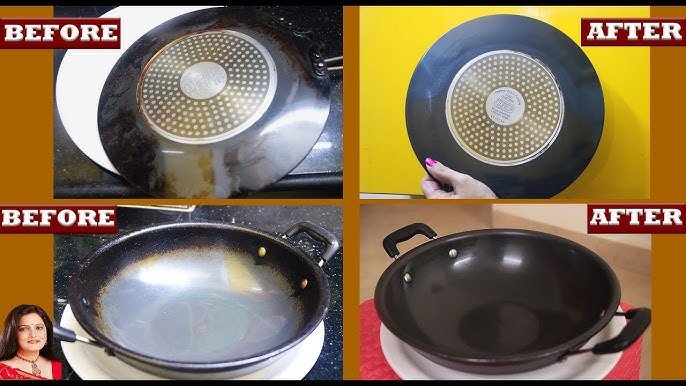
Have you ever found yourself staring at your once-pristine hard anodized cookware, now marred by stubborn burnt residues? You’re not alone.
Burnt spots can happen to the best of us, turning our favorite pots and pans into kitchen eyesores. But before you consider tossing them out, there’s good news. You can restore your cookware to its former glory with the right techniques.
Imagine the satisfaction of seeing those stubborn stains disappear, revealing the sleek, clean surface underneath. In this guide, you’ll discover simple, effective methods to clean burnt hard anodized cookware, ensuring your kitchen remains a place of culinary joy rather than frustration. Don’t let a little burn tarnish your cooking experience—let’s get started on making your cookware sparkle again!

Credit: prudentreviews.com
Understanding Hard Anodized Cookware
Hard anodized cookware is strong and durable. It is made from aluminum. A special process makes it tough. This process is called anodizing. It makes the surface hard. The cookware is resistant to scratches. It does not rust easily. This type of cookware heats evenly. It cooks food well. Many people like using it. It is popular in kitchens.
Cleaning burnt cookware can be tricky. Burnt food sticks to it. It needs special care. Use gentle cleaners. Avoid harsh scrubbing. This keeps the surface safe. Gentle cleaning helps it last long. Always dry it well after washing. This keeps it shiny.
Hard anodized cookware is often black or dark gray. It looks stylish. It fits many kitchen styles. People trust it for cooking. It is a favorite for many recipes. Treat it right and it will serve you well.
Common Causes Of Burnt Residue
Cookware often gets burnt due to high heat. Leftover food can stick and burn. Cooking oil might also cause residue. Sugar burns easily and leaves marks. Spices can create burnt spots. Boiling dry is a common mistake. Overcooked meals leave residues behind.
Not cleaning after use leads to burnt spots. Old stains get worse with time. Using wrong cleaners can damage pans. Metal utensils may scratch and burn. Hard water leaves stains. Food spills cause messy spots. Improper storage can affect cookware.
Initial Cleaning Steps
Let the cookware cool downbefore cleaning. This avoids burns. Hot cookware can hurt your hands.
Use a soft sponge to wipe away food bits. Do not scrub too hard. This can scratch the surface.
Rinse the cookware with warm water. This helps to remove small debris. Make sure to rinse well.
Homemade Cleaning Solutions
Baking soda is a gentle cleaner. It is safe for cookware. Mix baking soda with water. Make a thick paste. Spread the paste on burnt spots. Leave for 15 minutes. Use a soft sponge. Scrub gently to remove stains. Rinse with warm water. Your cookware will be clean.
Vinegar breaks down tough stains. Mix equal parts of vinegar and water. Pour the mixture into the burnt pan. Heat the pan on low. Let it simmer for 10 minutes. Turn off the heat. Allow it to cool. Use a soft cloth to wipe away grime. Rinse the pan well. Your cookware will look shiny.
Using Commercial Cleaners
Commercial cleaners can help clean burnt cookware. Choose a cleaner made for hard anodized surfaces. Read the label to see if it’s safe for your cookware. Follow the instructions carefully. Some cleaners need to be mixed with water. Others are ready to use. Avoid cleaners with strong chemicals. They can damage the cookware.
Apply the cleaner gently. Use a soft cloth or sponge. Rub the cleaner on the burnt spots. Let it sit for a few minutes. Rinse with warm water. Dry the cookware with a towel. Repeat if needed. Store the cleaner in a safe place.
Gentle Scrubbing Techniques
Choose a soft sponge for cleaning. This prevents scratches. Avoid using metal pads. They can damage your cookware. Nylon brushes are a good choice too. They are gentle yet effective.
Use mild dish soap. It’s safe for your cookware. Rinse with warm water. This helps loosen burnt bits. Avoid harsh chemicals. They might ruin the surface. Pat dry with a soft cloth. This keeps your cookware shiny.
Deep Cleaning Methods
Start by filling the cookware with water. Place it on the stove. Turn the heat to medium. Wait for the water to boil. Let it boil for a few minutes. This helps loosen the burnt bits. After boiling, turn off the heat. Let the water cool down. Pour out the water carefully. Use a soft spongeto scrub the surface. The burnt bits should come off easily. Rinse the cookware with clean water. Dry it with a soft towel.
Some hard anodized cookware is dishwasher safe. Check the manufacturer’s instructions first. If safe, place the cookware on the top rack. Use a gentle cycle. Avoid using strong detergents. They can damage the cookware. After washing, dry it immediately. This prevents water spots. Hand washing is often better. It keeps the cookware in good shape.
Credit: help.calphalon.com
Preventing Future Burns
Cleaning burnt hard anodized cookware prevents future burns and keeps pots looking new. Soak the cookware in warm water and mild soap. Use a soft sponge to gently scrub away residue without damaging the surface. Regular cleaning maintains the cookware’s non-stick quality and ensures even cooking.
Proper Cooking Practices
Choose the right heat for your cooking. Use medium heat for most foods. Stir often to prevent sticking and burning. Avoid overcrowding the pan. This helps food cook evenly. Use oil or butter to coat the pan. This keeps food from sticking.
Regular Maintenance Tips
Clean cookware after each use. Use a soft sponge and mild soap. Avoid harsh cleaners. They can damage the surface. Dry pots and pans completely. This prevents water spots. Store properly to avoid scratches. Use pan protectors if stacking cookware.
Expert Advice And Recommendations
Burnt cookware can be tricky. Sometimes, home methods don’t work. Deep scratches or severe burns need special care. Professionals have the right tools. They can fix tough damage. If unsure, it’s best to ask an expert. This keeps your cookware safe.
Regular cleaning is key. After each use, wash your cookware. Use mild soap and a soft sponge. Avoid harsh cleaners. They can harm the surface. Store cookware properly. Stack them with care. Use soft cloths between pans. This prevents scratches. Gentle handling extends the life of your cookware. Always dry them well. Wet pans can get stains. Keep them shiny and neat.

Credit: www.amazon.com
Frequently Asked Questions
Can Hard Anodized Pans Be Restored?
Hard anodized pans typically can’t be restored. Their surface is permanently altered during the anodizing process. Regular cleaning and maintenance help prolong their lifespan. Avoid harsh abrasives and high heat to prevent further damage. If the coating wears off, consider replacing the pan for optimal cooking performance.
Can You Use Bar Keepers Friend On Hard Anodized Aluminum?
You should avoid using Bar Keepers Friend on hard anodized aluminum. It can damage the surface. Instead, use mild dish soap and a soft cloth for cleaning. Always rinse thoroughly with water and dry completely to maintain the finish.
Can I Use Steel Wool On Hard Anodized Cookware?
Avoid using steel wool on hard anodized cookware. It can scratch the surface and damage the finish. Use a soft sponge or cloth for cleaning instead. This ensures your cookware remains in good condition and lasts longer, providing a better cooking experience.
How To Clean A Scorched Nonstick Pan?
To clean a scorched nonstick pan, sprinkle baking soda over the burnt area. Add water to form a paste. Let it sit for 30 minutes. Gently scrub with a non-abrasive sponge. Rinse thoroughly with warm water. Repeat if necessary for stubborn stains.
Conclusion
Keeping your hard anodized cookware clean is simple. Follow the right steps. Use gentle cleaning methods. Avoid harsh chemicals. Your cookware will last longer. Regular maintenance keeps it looking great. Protects its non-stick surface. Avoid strong abrasives. They can damage the finish.
A little care goes a long way. Enjoy cooking with your shiny pots and pans. They add joy to your kitchen. Remember, cleaning isn’t hard. Just a few steps. Your cookware will thank you. Happy cooking!