
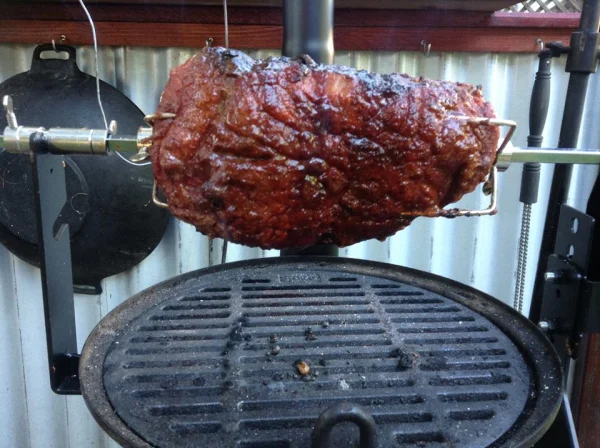
If you’ve ever struggled to cook large cuts of meat evenly, a rotisserie might be the game-changer you need. Using a rotisserie can transform tough, bulky roasts into tender, juicy meals that impress every time.
Imagine biting into perfectly cooked meat that’s crispy on the outside and melt-in-your-mouth on the inside—all without constant attention or guesswork. In this guide, you’ll discover simple steps to master your rotisserie and unlock flavors you didn’t think were possible.
Ready to take your cooking to the next level? Let’s dive in and make your next feast unforgettable.
Choosing The Right Rotisserie
Rotisserie machines come in different types. There are electric, gas, and charcoal models. Each type offers unique benefitsfor cooking large meat cuts.
Electric rotisseries are easy to use and clean. Gas models heat up fast and give good control. Charcoal versions add a smoky flavor to meat.
| Type | Pros | Cons |
|---|---|---|
| Electric | Simple to use, easy to clean | Needs power source, less smoky flavor |
| Gas | Quick heating, good temperature control | Requires gas tank, more maintenance |
| Charcoal | Gives smoky flavor, traditional taste | Harder to control heat, more cleanup |
Size and capacity matter a lot. Choose a rotisserie that fits the meat size. Large cuts need bigger spit rods and enough space to turn freely.
Look for strong motors that can handle heavy loads. Check for adjustable speed settings to control cooking.
- Sturdy construction for safety and durability
- Easy assembly and cleaning parts
- Heat-resistant handles and controls
- Good customer support and warranty

Credit: parade.com
Selecting Large Cuts Of Meat
Large cuts of meat like whole chickens, pork shoulders, and beef roastswork best for rotisserie cooking. These cuts stay juicy and cook evenly on the spit.
Choose meat with some fat marbling. It adds flavor and keeps the meat tender. Avoid very lean cuts that may dry out.
| Cut | Type | Why It Works |
|---|---|---|
| Whole Chicken | Poultry | Cooks evenly, juicy skin |
| Pork Shoulder | Pork | Fatty, tender when slow cooked |
| Beef Chuck Roast | Beef | Good fat content, stays moist |
Trim excess fat but keep some for flavor. Remove silver skin and loose bits.
Season meat with salt, pepper, and herbs. Let it rest before cooking for better taste.
Setting Up Your Rotisserie
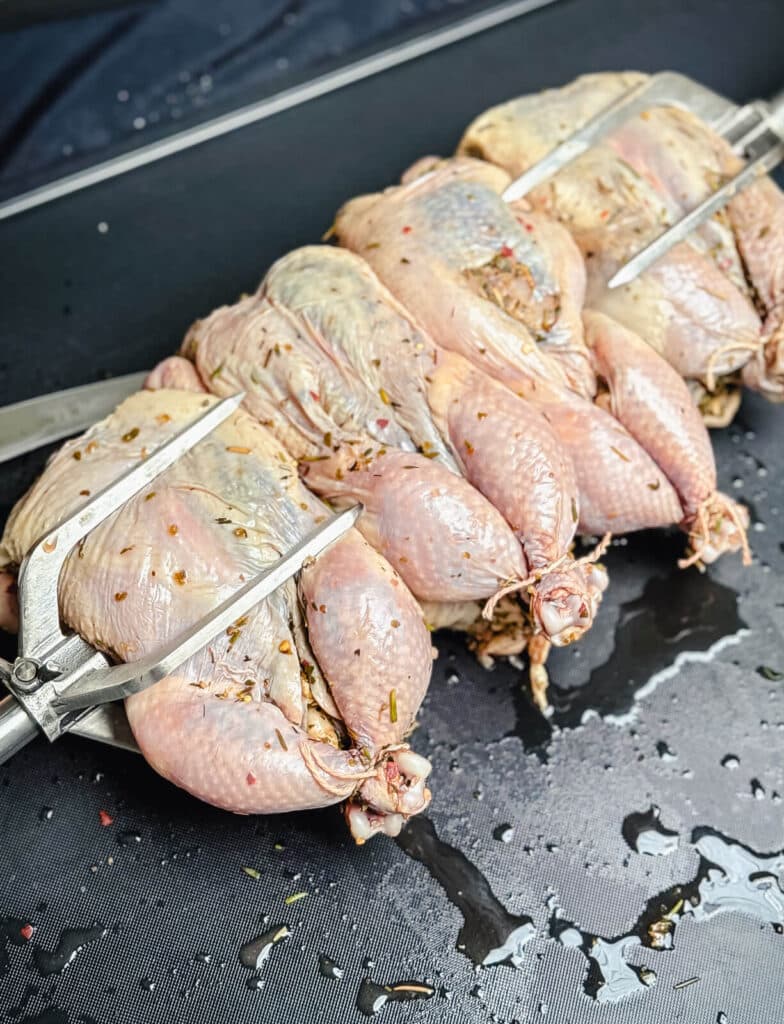
Slide the spit rodthrough the center of the meat. Secure it with the forkson both sides. Tighten the screws to hold the meat firmly. This stops the meat from moving during cooking.
Place the meat so it is balancedon the spit rod. Uneven weight can cause the motor to strain. Use a scaleor your hands to check balance. Adjust forks or add weight if needed.
| Temperature Range | Cooking Tip |
|---|---|
| 300°F – 350°F | Good for large cuts like whole chickens or roasts |
| 350°F – 400°F | Use for smaller cuts to get a crispy outside |
Turn on the rotisserie and let it preheatbefore placing the meat. This helps the meat cook evenly. Set the temperature based on the cut size and type.

Credit: www.youtube.com
Cooking Techniques For Large Cuts
Rotisserie cooking times vary by meat size and type. For large cuts, plan on 20 to 30 minutes per poundat medium heat. Use a meat thermometer to check doneness. This ensures the inside is perfectly cooked without drying out.
Maintaining even heat is key. Keep the rotisserie turning slowly and steadily. This helps cook the meat evenly on all sides. Avoid opening the grill too often, as it lowers the temperature.
- Use a drip pan to catch juices and avoid flare-ups.
- Keep the heat steady between 300°F and 350°F (150°C to 175°C).
- Adjust vents or burners to control temperature.
Basting adds flavor and keeps meat moist. Apply a marinade or sauce every 15 to 20 minutes. Choose simple mixtures like oil, herbs, and spices. Avoid sugary sauces early on; they can burn.
Safety And Maintenance
Hot rotisserie parts can cause burns. Always use thick gloves to protect your hands. Keep children and pets away from the cooking area. Use tools with long handles to turn or remove meat safely. Avoid wearing loose clothes that might catch fire.
After cooking, let the rotisserie cool down completely. Remove meat juices and fat using warm, soapy water. Clean metal skewers and forks carefully to avoid rust. Dry all parts well before storing to keep them in good condition.
| Problem | Cause | Solution |
|---|---|---|
| Meat cooks unevenly | Uneven weight on spit | Balance meat well before cooking |
| Rotisserie stops turning | Power or motor issue | Check power supply and motor |
| Grease buildup | Not cleaned regularly | Clean after each use |
Credit: www.grillseeker.com
Serving And Storing Rotisserie Meat
Let the rotisserie meat rest for 10 to 15 minutesafter cooking. This helps the juices settle inside, making the meat juicy and tender. Use a sharp knife to carve thin slicesacross the grain for better texture.
Store leftover rotisserie meat in an airtight container. Keep it in the refrigeratorand use within 3 to 4 days. For longer storage, freeze the meat wrapped tightly in foil or plastic wrap to prevent freezer burn.
- Reheat meat slowly to keep it moist.
- Use a microwave at medium power in short bursts.
- Cover meat with foil to trap steam.
- Alternatively, warm in an oven at 250°F (120°C) until heated through.
Frequently Asked Questions
What Cuts Of Meat Work Best For Rotisserie Cooking?
Large, evenly shaped cuts like whole chickens, pork shoulders, and beef roasts are ideal. They cook evenly and retain moisture well.
How Do I Properly Secure Large Meat On A Rotisserie?
Use a sturdy spit rod and secure meat with forks or trussing. Ensure it’s balanced to rotate smoothly without wobbling.
What Temperature Is Best For Rotisserie Large Cuts?
Maintain a steady medium heat, around 300-350°F (150-175°C). This temperature cooks meat evenly and keeps it juicy.
How Long Should Large Cuts Cook On A Rotisserie?
Cooking time depends on weight; generally, 20-30 minutes per pound. Use a meat thermometer to check doneness accurately.
Conclusion
Rotisserie cooking makes large cuts of meat tender and flavorful. It’s a simple method. Just season, secure, and rotate your meat. The consistent heat ensures even cooking. Juices are sealed in, enhancing taste. This method works well for family meals or gatherings.
With practice, you’ll get perfect results every time. Impress guests with your delicious rotisserie dishes. Enjoy the process and the delightful flavors. Keep experimenting with spices for variety. Happy cooking!