
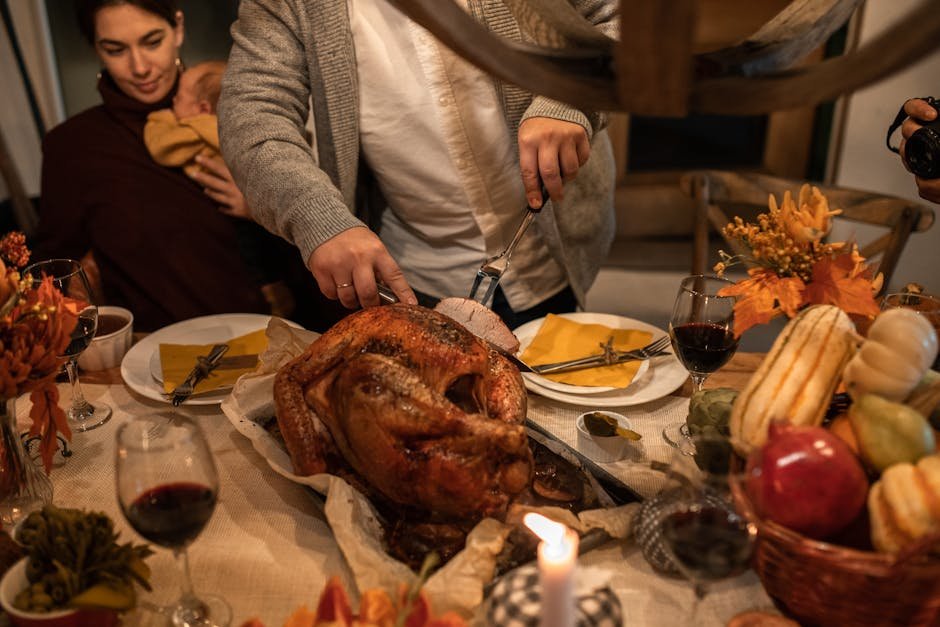
Are you tired of using the wrong knife for your kitchen tasks, leaving you frustrated and your dishes less than perfect? Understanding the difference between slicing and carving knives could be the game-changer in your culinary adventures.
Imagine effortlessly cutting through a juicy roast or slicing perfect, even pieces of a ripe tomato with ease. The right knife not only enhances your cooking experience but also elevates the presentation of your meals. You deserve to have the right tools at your disposal, and this article will guide you through the nuances that set slicing knives apart from carving knives.
Get ready to transform your kitchen skills and impress everyone at your next dinner gathering. Keep reading to discover how the right choice of knife can make all the difference in your cooking.
:max_bytes(150000):strip_icc()/faw-messermeister-avanta-kullenschliff-carving-set-mary-claire-lagroue-4-21c011da6bb34f368f8142bfdd297ecf.jpeg)
Credit: www.foodandwine.com
Blade Design
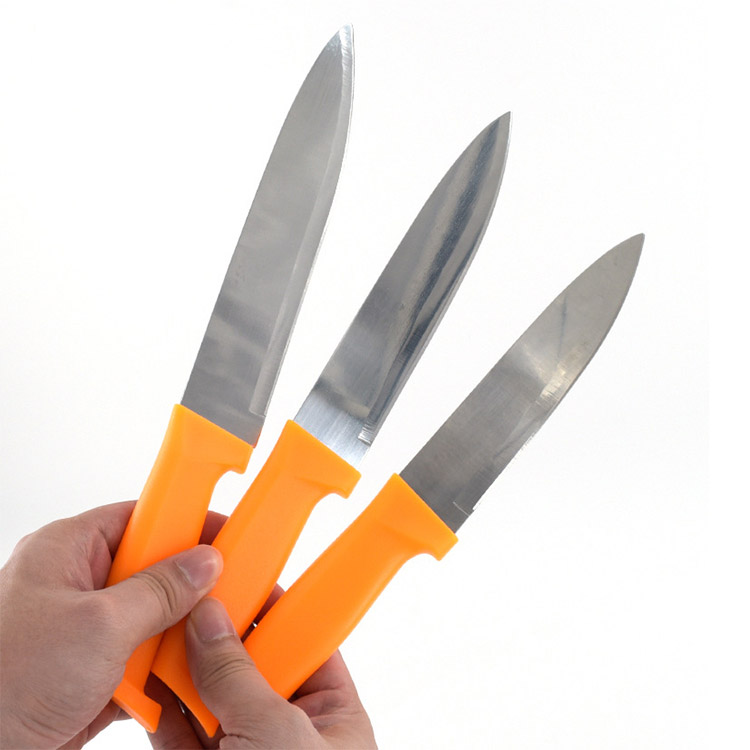
Slicing kniveshave a long, thin blade. This helps cut thin slices of meat or fish. Carving knivesare usually a bit shorter and thicker. Their shape helps cut cooked meats evenly.
The blade thicknessis different. Slicing knives are thinner to make smooth, clean cuts. Carving knives have thicker blades to handle tougher cuts and bones.
The edge typealso changes. Slicing knives have a very sharp, straight edge. Carving knives may have a slightly serrated edge to grip the meat while cutting.
Primary Uses
Slicing knivesare designed for cutting thin, even slices of cooked meats. They have a long, narrow blade that helps create smooth cuts without tearing the meat. These knives work well with roasts, hams, and turkey. The blade is often flexible to glide easily around bones and joints.
Carving knivesare built for cutting large pieces of meat into smaller portions. They have a sturdy, sharp blade with a pointed tip to pierce the meat. Carving knives are great for separating meat from the bone and creating neat slices. They are often thicker and less flexible than slicing knives, providing more control.
Cutting Techniques
Slicing kniveshave long, thin blades. They cut food with smooth, even strokes. This helps keep the food’s shape and texture intact. Slicing works best on cooked meats, fruits, and vegetables. The blade glides through food without much force.
Carving knivesare designed to cut large pieces of meat. They have a sharp, pointed tip and a slightly curved blade. Carving is done with careful, precise cuts. This technique separates meat from bones neatly. It also helps create thin, uniform slices.
- Slicing methods:Use gentle, steady pulls. Avoid sawing back and forth.
- Carving methods:Start at the joint. Cut along the bone for clean slices.
Material And Construction
Blade materialsfor slicing and carving knives differ to suit their tasks. Slicing knives often have thinner, flexible blades made from stainless steel. This helps in cutting thin, even slices of meat or fish. Carving knives have thicker, rigid blades made from high-carbon steel. They hold a sharp edge longer and handle tougher cuts.
Handle designvaries for comfort and control. Slicing knives usually have slim, lightweight handles. This design allows smooth, precise movements. Carving knives feature sturdy, ergonomic handles. They provide a strong grip for cutting through large roasts or poultry.
| Feature | Slicing Knife | Carving Knife |
|---|---|---|
| Blade Material | Thin, flexible stainless steel | Thick, rigid high-carbon steel |
| Handle Design | Lightweight, slim | Ergonomic, sturdy |
Maintenance And Care
Keep your knives sharp for safe and easy cutting. Use a sharpening stone or a honing rod to maintain a fine edge. Sharpen at a 20-degree angle for best results. Avoid grinding too much as it wears down the blade.
Clean knives right after use. Hand wash with warm water and mild soap. Avoid dishwashers; they can damage the blade and handle. Dry knives immediately to prevent rust and stains. Store knives in a block or on a magnetic strip to protect edges.
Credit: www.insight-kitchenknife.com
Choosing The Right Knife
Choosing the right knife depends on the task at hand. Slicing kniveshave long, thin blades that cut through meat smoothly. Carving knivesare narrower and sharper, designed for precise cuts. The blade length and flexibility affect how the knife performs.
Consider the type of food you will cut. For soft meats, a slicing knife works best. For roasts or poultry, a carving knife is better. Handle comfort is key for safe use. The knife’s weight should feel balanced in your hand.
- Blade length matters for control and reach.
- Sharpness affects the ease of cutting.
- Handle grip impacts safety and comfort.
- Material quality influences durability.
Common mistakes include using the wrong knife for the job. A dull blade can cause accidents. Avoid pressing too hard, which damages the food and blade. Not cleaning knives properly can dull them faster.

Credit: www.cutluxe.com
Frequently Asked Questions
What Is The Main Use Of Slicing Knives?
Slicing knives are designed for cutting thin, even slices of meat. They have long, narrow blades that reduce friction. This makes slicing easier and more precise, especially for cooked meats and roasts.
How Do Carving Knives Differ From Slicing Knives?
Carving knives have thinner, more flexible blades than slicing knives. They allow for detailed, controlled cuts and are ideal for carving whole poultry or roasts.
Can Slicing And Carving Knives Be Used Interchangeably?
While both knives cut meat, they serve different purposes. Using the correct knife ensures cleaner cuts and better texture. Interchanging may reduce precision and affect presentation.
What Blade Features Distinguish Slicing Knives?
Slicing knives usually have long, straight blades with a rounded tip. Their blade is thinner to minimize resistance, allowing smooth, thin slices.
Conclusion
Slicing and carving knives each serve a clear purpose in the kitchen. Slicing knives cut thin, even pieces, perfect for cooked meats. Carving knives handle larger roasts and give clean, smooth cuts. Choosing the right knife makes cooking easier and safer.
Both knives improve your food presentation and eating experience. Knowing their differences helps you pick the best tool. Use them well to enjoy better meals every time. Simple tools, big difference.