
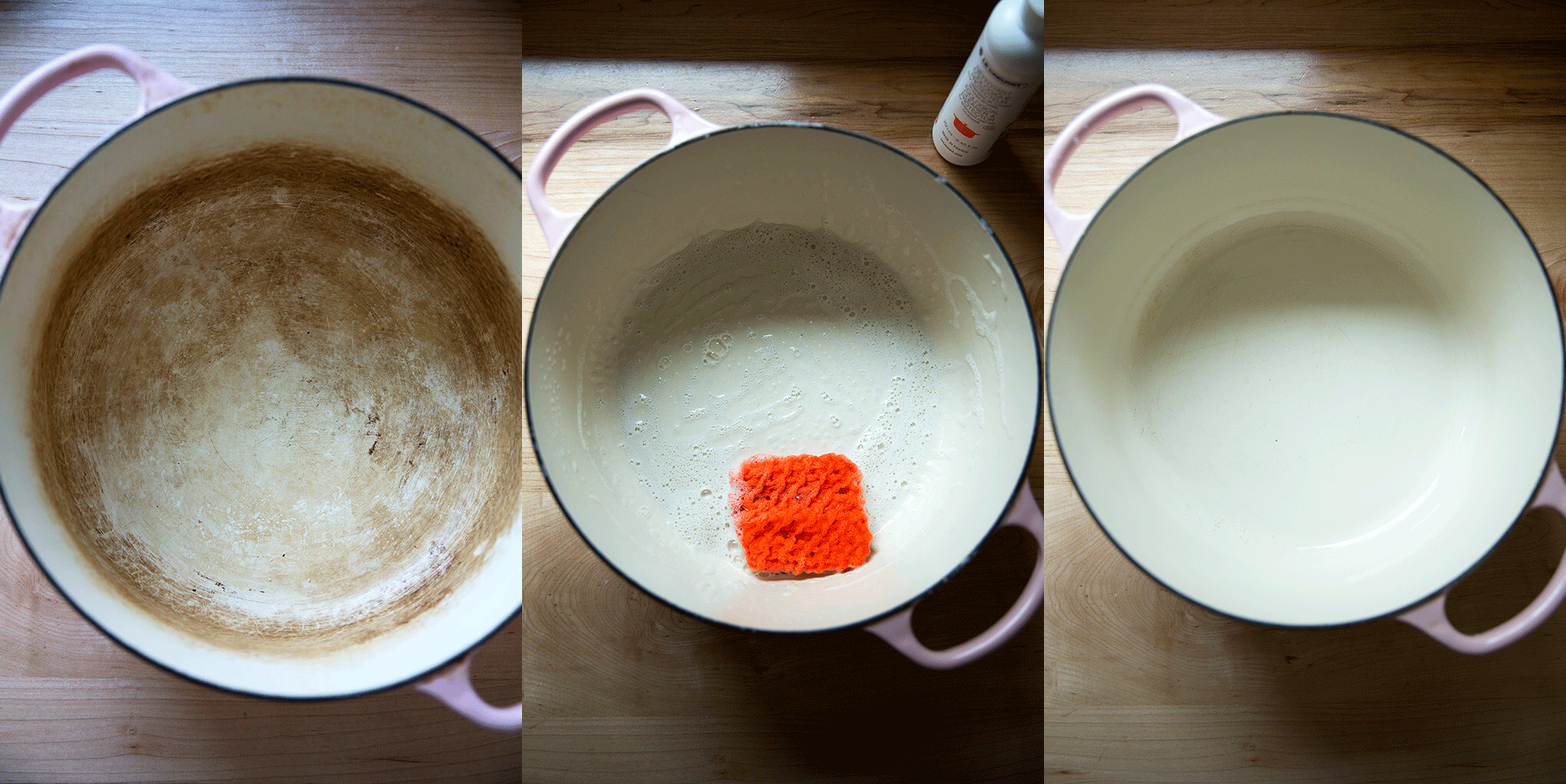
Are you tired of seeing your once-shiny enamel cookware lose its luster? Do you struggle with stubborn stains that just won’t budge, no matter how hard you scrub?
You’re not alone. Many cookware enthusiasts face the same challenges, and the secret to restoring that pristine shine lies in knowing the right cleaning techniques. Imagine the satisfaction of cooking with pots and pans that look brand new, every single time.
This guide on how to clean enamel cookware will not only equip you with easy-to-follow steps but will also reveal tips that could save you time and effort. Ready to transform your kitchen essentials and impress even yourself? Dive into our detailed guide to discover how you can effortlessly maintain your enamel cookware’s brilliance.
Credit: realhousemoms.com
Basics Of Enamel Cookware
Enamel cookware is made with a metal base. The base is coated with a glossy, protective layer. This layer is called enamel. It helps in preventing rust. Enamel cookware is popular for its bright colors. It is also famous for its smooth surface.
This cookware is easy to clean. It does not react with food. This makes it safe and healthyfor cooking. It is also durable. But avoid dropping it. The enamel can chip off. Always handle it with care. Use soft sponges for cleaning.
Avoid using metal utensils. They can scratch the enamel. Enamel cookware is best for low to medium heat. It spreads heat evenly. Food cooks well and stays tasty.
Credit: www.thekitchn.com
Common Stains And Issues
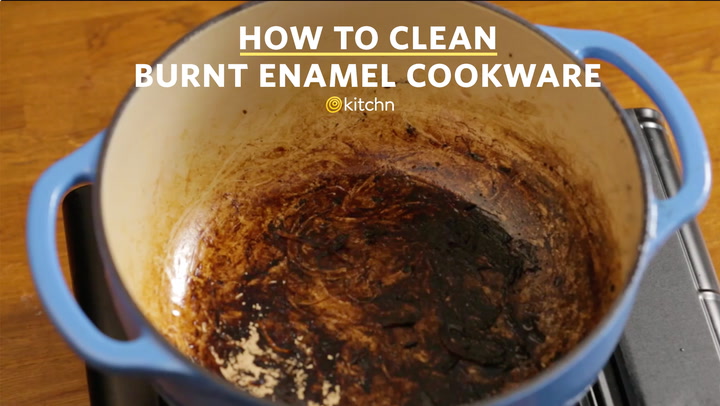
Enamel cookware often faces burnt food stainsDiscolorationhappens after frequent use. This affects the cookware’s look.
Rust can appear on enamel cookware. It happens when enamel chips. Water can reach the metal base. Chipped enamelis a serious problem. It reduces the cookware’s lifespan.
Regular cleaning helps to avoid these issues. Use gentle cleansers for safety. Avoid using metal utensils on enamel. They cause scratches and chips. Keep your cookware dry after washing. This prevents rust. Follow these steps for better care.
Essential Cleaning Supplies
Enamel cookware needs gentle care. Soft sponges work best for cleaning. Baking soda helps remove stains. White vinegar is great for tough spots. Dish soap keeps it shiny. Warm water rinses away dirt.
Avoid metal scrubbers; they scratch surfaces. Microfiber cloths dry cookware without marks. Wooden spoons won’t damage enamel. Plastic spatulas are safe for stirring. Rubber gloves protect hands while cleaning.
Store supplies in a handy spot. Always keep them ready. Cleaning becomes easy and fun. Regular cleaning saves cookware. Enjoy cooking with clean enamel pots.
Daily Maintenance Techniques
Keep your enamel cookware clean every day. Rinse the cookware with warm water after use. This helps remove food bits that stick. Use a soft sponge. It is important to avoid scratches. Do not use metal scrubbers. They can damage the enamel. Soap is safe for daily cleaning. Just a little is enough. Make sure to rinse well. Dry the cookware with a soft towel. This prevents water spots. Store it in a safe place. Avoid stacking heavy items on top. This keeps the enamel safe. A clean kitchen is a happy place.
Deep Cleaning Methods
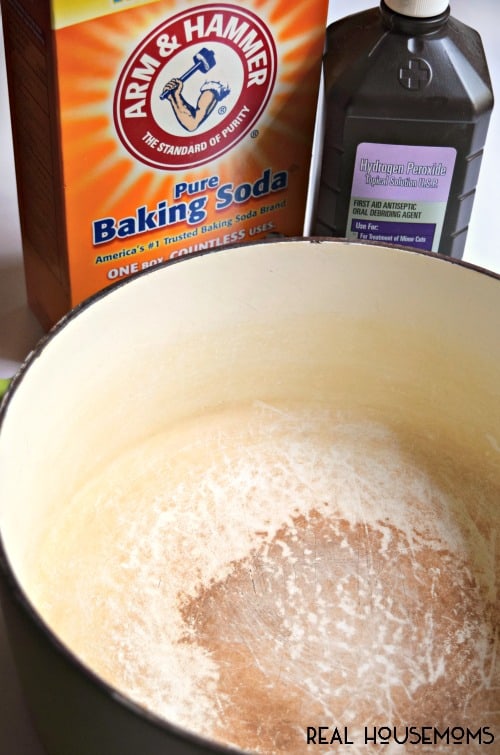
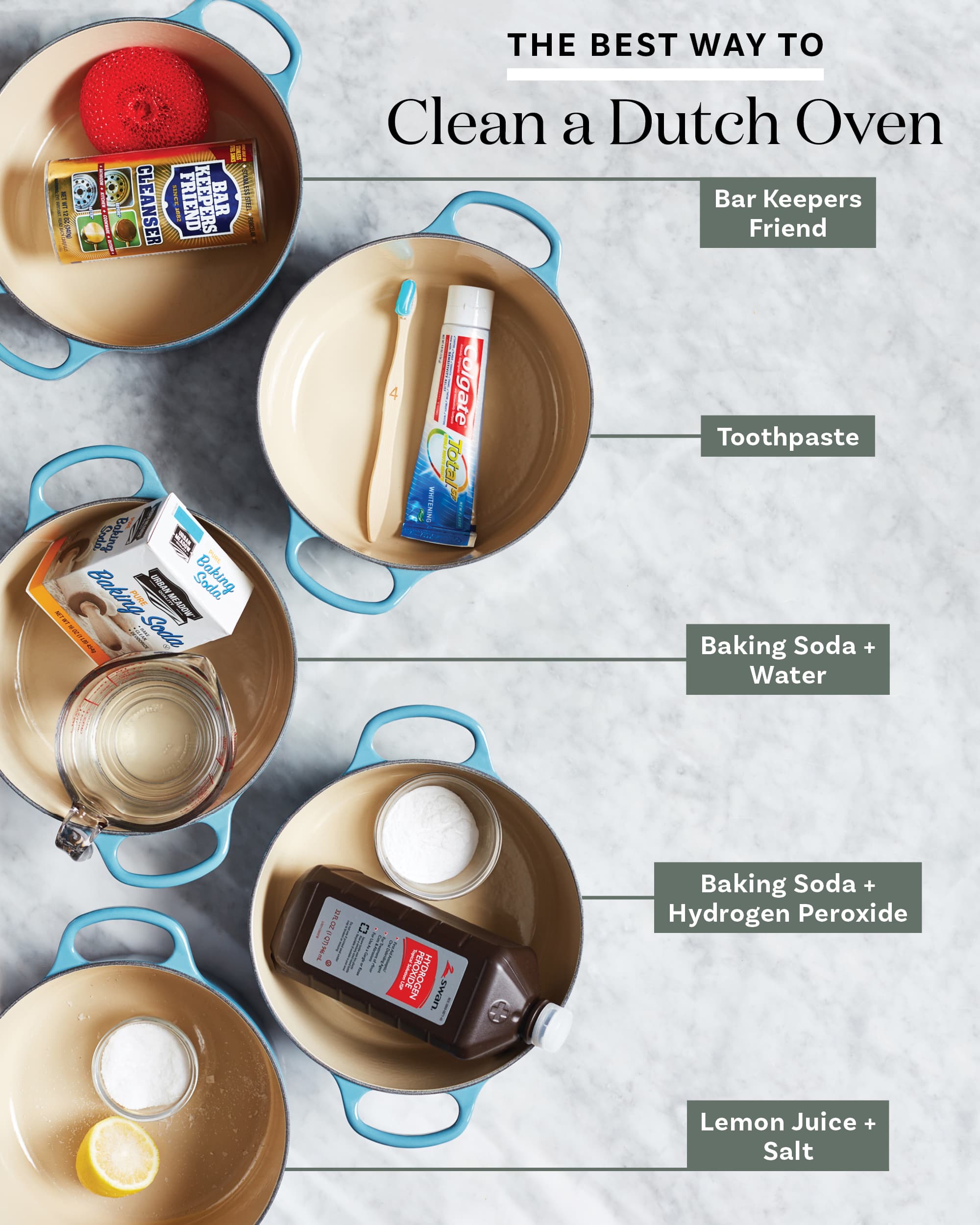
Mix baking sodawith water to make a paste. Spread it on the enamel. Let it sit for 15 minutes. Scrub gently with a soft sponge. Rinse with warm water. This paste can remove tough stains. It is safe for enamel surfaces.
Pour vinegarinto the cookware. Fill up about halfway. Allow it to soak for 30 minutes. This helps loosen burnt food. After soaking, scrub with a sponge. Rinse thoroughly with water. Vinegar is great for cutting grease.
Cut a lemonin half. Sprinkle salt on the cut side. Use it to scrub the enamel. The acid helps remove stains. Salt adds extra scrubbing power. Rinse well with warm water. This method leaves a fresh scent.
Removing Tough Stains
Burnt residue can be hard to remove. Start by filling the cookware with warm water. Add a spoon of baking soda. Let it sit for an hour. This loosens the burnt bits. Then, scrub gently with a soft sponge. Avoid using metal scrubbers. They can scratch the enamel. Rinse well and dry with a towel. Repeat if needed.
Discoloration can make cookware look dull. Use vinegar to restore shine. Fill the pot with water. Add a cup of white vinegar. Boil the mixture for 15 minutes. Let it cool, then wash as usual. This removes stains and brightens the enamel. Rinse thoroughly to remove vinegar smell. Dry with a cloth to prevent water spots.
Preventing Damage
Always use soft sponges for cleaning. Abrasive tools can scratch enamel. Scratches make cookware look bad. They also reduce its lifespan. Opt for nylon or silicone brushes. These are gentle on enamel. Avoid steel wool or rough pads. They damage the surface. Even small scratches can cause issues. Take care of your cookware. Use the right tools every time.
Extreme temperature changes can damage enamel. Avoid putting hot cookware in cold water. This might cause cracks. Let it cool down first. Sudden changes can cause thermal shock. This weakens the enamel. Always preheat cookware slowly. Avoid high heat settings. This prevents damage. Your cookware will last longer.
Storage And Care Tips
Enamel cookware needs special care. Store it safely. Use soft cloths to avoid scratches. Stack carefully to prevent damage. Avoid dropping as it can chip the surface. Never use metal utensils. They cause scratches. Handwash with mild soap for best results. Dry completely before storing. Avoid sudden temperature changes. This can crack the enamel. Use wooden or silicone spoons. They are gentle on enamel. Keep cookware away from direct heat. Follow these tips to keep your enamel cookware looking new.
Common Mistakes To Avoid
Scrubbing with a lot of force can scratch the enamel. Gentle cleaning helps keep it shiny and new. Use a soft sponge or cloth for the best results.
Strong cleaners can damage enamel surfaces. Mild soap works well for regular cleaning. Avoid bleach or strong acids for safety.
Stains can get worse over time. Clean them quickly to keep cookware looking nice. Baking soda paste can help with tough spots.
Leaving cookware wet can cause rust. Dry thoroughly after washing to prevent this. A towel or air drying works well.
Credit: www.thekitchn.com
Frequently Asked Questions
How Do You Get Brown Stains Out Of Enameled Pans?
Remove brown stains from enameled pans using a paste of baking soda and water. Scrub gently with a sponge. Rinse thoroughly and dry the pan. For tough stains, let the paste sit for 15 minutes before scrubbing. Repeat if necessary for stubborn marks.
What Is The Best Cleaner For Enamel Pans?
Baking soda mixed with warm water effectively cleans enamel pans. Avoid harsh abrasives to prevent damage. Use a soft sponge for gentle scrubbing. Ensure pans are thoroughly rinsed and dried after cleaning. This method maintains the enamel’s shine and durability, making it a safe choice for regular use.
How Do I Clean Enamel Cookware?
To clean enamel cookware, use warm soapy water and a soft sponge. Avoid abrasive scrubbers. For stubborn stains, soak with baking soda and water. Rinse thoroughly and dry completely to prevent rust. Avoid metal utensils to maintain the enamel surface.
Regular gentle care keeps cookware looking new.
How To Clean Burnt Food Off Enamel?
Remove burnt food by soaking enamel in warm, soapy water. Use a soft sponge to gently scrub. For stubborn stains, apply a paste of baking soda and water. Let it sit for a few minutes, then scrub. Rinse thoroughly and dry with a soft cloth.
Conclusion
Cleaning enamel cookware is simple with the right steps. Use gentle materials and avoid harsh scrubbing. A mixture of baking soda and water can help. Soak stubborn stains for a few hours. Rinse well after cleaning to remove residue. Dry thoroughly to prevent rust or damage.
Regular care keeps your cookware looking new. Cooking in clean pots enhances food flavor. Now, enjoy your shiny, clean enamel cookware. It’s ready for your next culinary adventure. Remember, with proper care, enamel lasts for years. Happy cooking!