
Have you ever found yourself struggling with gloves that are too tight or annoyingly loose while preparing your favorite meal? Knowing your correct kitchen glove size is not just about comfort, but also about safety and efficiency in the kitchen.
Imagine slicing vegetables with ease or handling hot pots without the constant fear of slipping. It all starts with the perfect glove fit. You’ll discover simple and effective tips to measure your hand for the ideal glove size. Get ready to transform your kitchen experience with gloves that fit like a second skin.
Let’s dive in and find out how to make your kitchen tasks smoother and safer!
Importance Of Proper Glove Size
Choosing the right glove sizeis key for comfort and safety. Gloves that fit well help hands move easily. Too tight gloves can cause pain or tears. Too loose gloves can slip off or slow work.
Good fit means better controlover kitchen tools. This leads to enhanced dexterityand less chance of accidents. Precise hand movements matter in cooking and handling hot items.
Proper glove size also helps in preventing contamination. Gloves that fit well cover hands fully. This stops germs from spreading to food. Loose gloves might let dirt or germs enter the food.
Types Of Kitchen Gloves
Disposable glovesare thin and meant for single use. They keep hands clean and protect food from germs. Usually made from latex or vinyl, they fit snugly but can tear easily.
Reusable glovesare thicker and last longer. They are good for washing dishes or cleaning. Made from rubber or silicone, they protect hands from water and chemicals.
Heat-resistant gloveskeep hands safe from hot pots and pans. Made from materials like silicone or thick fabric, they help avoid burns while cooking or grilling.
Measuring Your Hand For Gloves
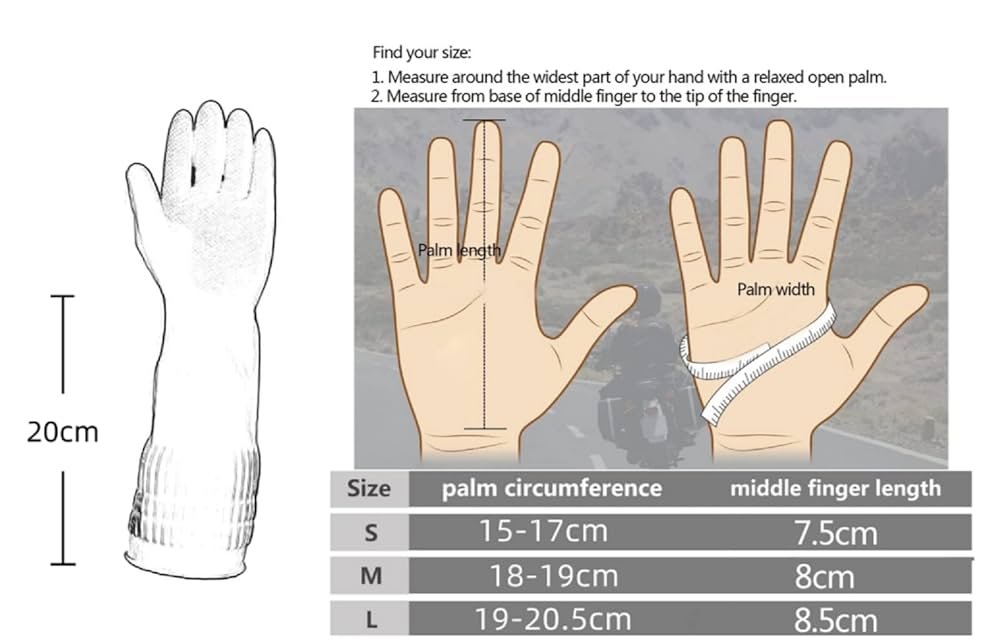
Tools neededinclude a flexible tape measure or a string and ruler. Use these to get accurate hand measurements for the best glove fit. A pen and paper help to record your measurements.
Measuring hand circumferenceinvolves wrapping the tape measure around the widest part of your hand, usually just below the knuckles. Do not include the thumb. Note the number where the tape meets.
Measuring hand lengthrequires measuring from the tip of the middle finger to the base of the palm. Keep your hand flat and fingers close together. This length helps choose gloves that fit well from finger to wrist.

Credit: www.amazon.com.au
Using Size Charts Effectively
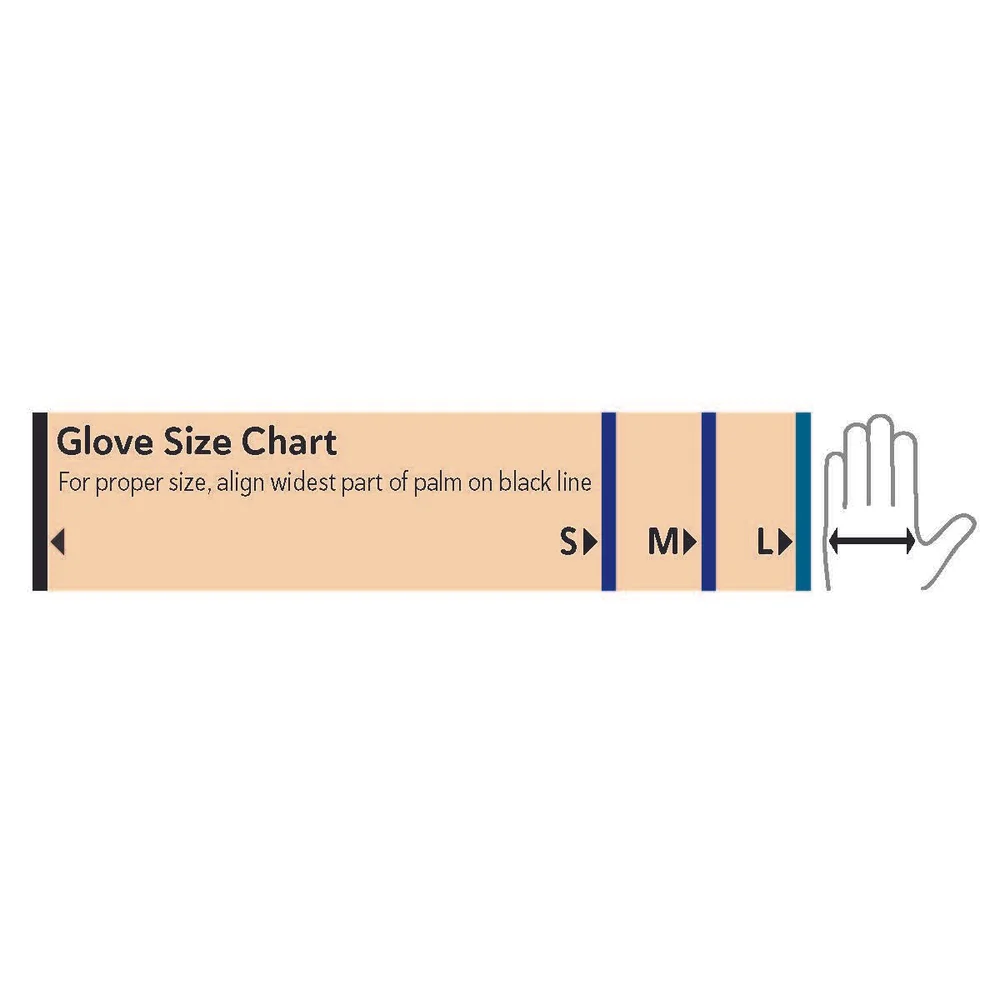
Use size charts to find the best glove fit for your kitchen work. Measure your hand around the widest part, usually the knuckles, without the thumb. Compare this measurement to the size chart to pick the right glove size.
Glove sizes may differ between countries. Convert measurements between size systems like US, UK, and EU by checking conversion tables. This helps avoid buying gloves that don’t fit well.
Brands often have their own sizing rules. Check brand-specific size charts before buying. Some brands may run smaller or larger than standard sizes. Always look for their exact measurements for best fit.
Trying Gloves On For Fit
Try gloves on to check how well they fit your hands. Move your fingers freely inside the gloves. Make sure you can bend each finger without tightness. Gloves should not feel too loose either, or they may slip off.
Check the tightness by gently pulling the gloves at the fingertips. They should stay snug but not squeeze your skin. Loose gloves can reduce your grip and make tasks harder.
Test your grip by holding common kitchen items. See if you can hold pots, knives, or spoons comfortably. Comfort is key for long kitchen use without hand fatigue.

Credit: www.omnicalculator.com
Tips For Choosing The Right Glove Material
Material flexibilityaffects comfort and ease of movement. Soft materials like latex or nitrile fit snugly and allow bending. Stiffer materials can make hand tasks harder. Choose gloves that feel natural on your hands.
Allergy considerationsare important. Some people react to latex. Look for hypoallergenic optionslike vinyl or nitrile to avoid skin problems. Always check the label if you have sensitive skin.
Durability and purposedecide glove choice. Thick gloves last longer but may reduce touch sensitivity. Thin gloves offer better feeling but wear out fast. Pick gloves based on your kitchen tasks, like chopping or washing dishes.
Common Mistakes To Avoid
Ignoring size differences causes gloves to fit poorly. Too tight gloves hurt your hands. Too loose gloves slip off easily. Always check the exact size before buying.
Comfort matters a lot. Gloves that feel itchy or stiff make cooking hard. Look for soft materials that allow easy hand movement. Comfortable gloves keep you working longer without pain.
Choosing gloves without testing is risky. Sizes vary between brands. Try gloves on before buying to ensure a good fit. Test for finger movement and grip.
Credit: ifyoucare.com
Frequently Asked Questions
How Do I Measure My Hand For Kitchen Gloves?
Use a tape measure to wrap around your dominant hand’s widest part, excluding the thumb. Note the circumference in inches to find your glove size accurately.
What Glove Sizes Are Best For Kitchen Use?
Kitchen gloves usually come in small, medium, large, and extra-large sizes. Choose a size that fits snugly without restricting movement or causing discomfort.
Can I Use Regular Gloves For Kitchen Tasks?
Regular gloves may lack heat resistance and food safety standards. Use kitchen-specific gloves designed for heat protection and hygiene to ensure safety.
Why Is Glove Size Important For Kitchen Safety?
Proper glove size ensures better grip and dexterity. Ill-fitting gloves can cause accidents, reduce efficiency, and compromise hygiene in the kitchen.
Conclusion
Choosing the right glove size keeps your hands safe and comfortable. Measure your hand carefully using a tape or ruler. Remember, gloves that fit well help you work better in the kitchen. Avoid gloves that are too tight or too loose.
Take your time to find the perfect fit. This simple step protects your hands from cuts and heat. Good gloves make cooking easier and safer. Keep these tips in mind whenever you shop for kitchen gloves.