
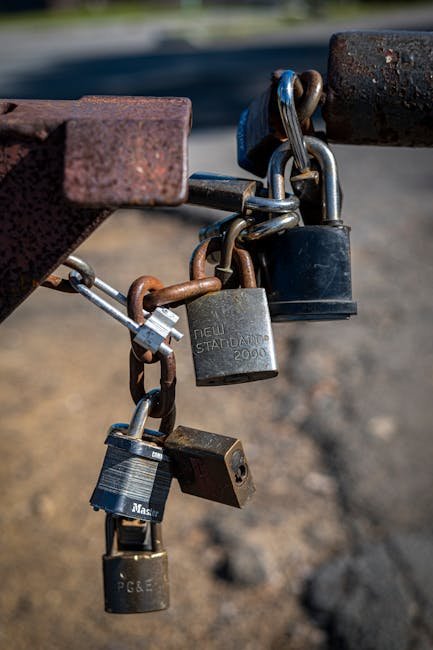
Imagine savoring the rich flavors of a perfectly grilled steak or a batch of crispy vegetables cooked to perfection on your trusty cast iron skillet. But then, the joy fades as you spot the dreaded enemy of any cast iron enthusiast: rust.
It’s a common frustration, yet entirely preventable. You might be wondering, “How can I keep my beloved skillet in top condition after grilling? ” You’re not alone, and the solution is simpler than you might think. By understanding a few easy maintenance tips, you can keep your skillet rust-free and ready for the next culinary adventure.
Dive into the rest of this article to discover how you can protect your investment and ensure your cast iron remains a staple in your kitchen for years to come.
Causes Of Rust On Cast Iron
Moisture exposurecauses rust when water sits on the skillet. Wet cast iron left without drying will start to rust fast. Always dry the skillet right after washing.
Improper cleaningcan harm the skillet’s protective layer. Using soap or scrubbing too hard removes seasoning. This makes the surface raw and open to rust.
Lack of seasoningmeans the skillet loses its natural non-stick coating. Without this layer, iron is exposed to air and moisture. The skillet will rust without regular oiling and heating.
Credit: www.carawayhome.com
Cleaning Tips After Grilling
Never soak a cast iron skillet in water. Prolonged soaking causes rustto form quickly. Instead, clean it right after use with warm water and a brush or sponge.
Use gentle scrubbing tools. Avoid metal scrubbers that can damage the skillet’s seasoning. Soft brushes or non-abrasive sponges work best to remove food bits.
Dry the skillet immediately after washing. Use a clean towel to wipe off all moisture. You can also heat it on the stove for a few minutes to ensure it’s completely dry. This stops rust from forming.
Seasoning For Rust Protection
Choosing the right oilis key for protecting your skillet from rust. Oils with a high smoke point work best. These include flaxseed oil, grapeseed oil, and vegetable oil. They create a strong, lasting layer on the cast iron.
Applying thin layershelps the oil bond well with the skillet surface. Use a cloth or paper towel to spread a small amount evenly. Too much oil can make the surface sticky and uneven.
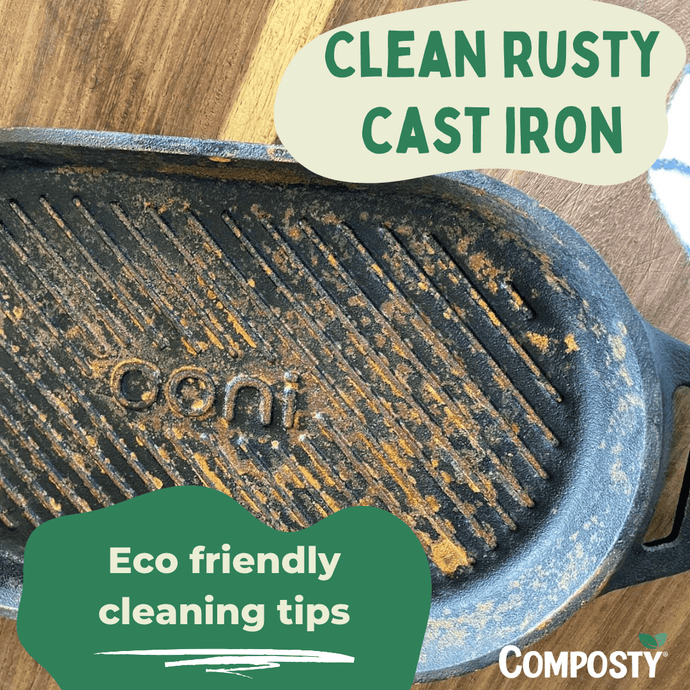
Baking processcures the oil into a hard, non-stick coating. Place the skillet upside down in an oven heated to 375-450°F (190-230°C). Bake for about one hour, then let it cool inside the oven. This process seals the skillet and stops rust.
Credit: www.composty.earth
Storage Methods To Prevent Rust
Store your cast iron skillet in a dry place. Moisture causes rust quickly. Avoid damp areas like under the sink or near the stove.
Use paper towels or a clean clothto wipe the skillet after each use. This removes any leftover moisture. It also keeps the surface dry and clean.
Avoid stacking other pots or pans on top of the skillet if they have moisture. This traps water and causes rust. If stacking is needed, place a dry paper towel between items.
Regular Maintenance Tips
Clean and dry your cast iron skillet immediately after grilling to stop rust from forming. Apply a thin layer of oil to keep the surface smooth and protected. Store the skillet in a dry place to avoid moisture buildup and rust.
Routine Inspection
Check your cast iron skillet after every use for any signs of rust. Pay close attention to the edges and handle. Early detection helps stop rust from spreading. Wipe it dry thoroughly to remove moisture. Store in a dry place to avoid rust.
Re-seasoning Frequency
Re-season the skillet every few months or after heavy use. This keeps the surface smooth and rust-free. Apply a thin layer of cooking oil before heating. Bake it in the oven at 350°F for one hour. Let it cool inside the oven for best results.
Handling Minor Rust Spots
- Scrub rust spots gently with a fine steel wool pad.
- Wash the skillet with warm water and mild soap afterward.
- Dry it completely with a towel or by heating on the stove.
- Re-season the affected area to restore protection.
:max_bytes(150000):strip_icc()/faw-field-company-no-8-cast-iron-skillet-medium-10-25-inch-jennifer-zyman-10-bd8a731366984600b5a3c1495b307284.jpeg)
Credit: www.foodandwine.com
Frequently Asked Questions
How Do I Dry My Cast Iron Skillet After Grilling?
Dry your skillet immediately after washing to prevent rust. Use a towel to remove moisture. Then, heat it on low for a few minutes to ensure complete drying.
What Oil Is Best To Prevent Rust On Cast Iron?
Use high-smoke point oils like flaxseed, vegetable, or canola oil. Apply a thin layer after drying to create a protective coating against moisture and rust.
How Often Should I Season My Cast Iron Skillet?
Season your skillet regularly, especially after each use. Frequent seasoning maintains the protective layer, improves non-stick properties, and prevents rust from forming over time.
Can I Store Cast Iron Skillet Outside The Kitchen?
Avoid storing cast iron in humid or damp places. Keep it in a dry, cool area inside your kitchen to prevent moisture buildup and rust development.
Conclusion
Preventing rust on your cast iron skillet keeps it strong and useful. Clean the skillet right after grilling. Dry it well to stop moisture. Apply a thin oil layer to protect the surface. Store the skillet in a dry place.
Regular care helps your skillet last many years. Enjoy cooking without worrying about rust damage. Simple steps make a big difference for your cast iron. Keep your skillet ready for the next meal. Easy habits protect your investment and improve your cooking experience.