
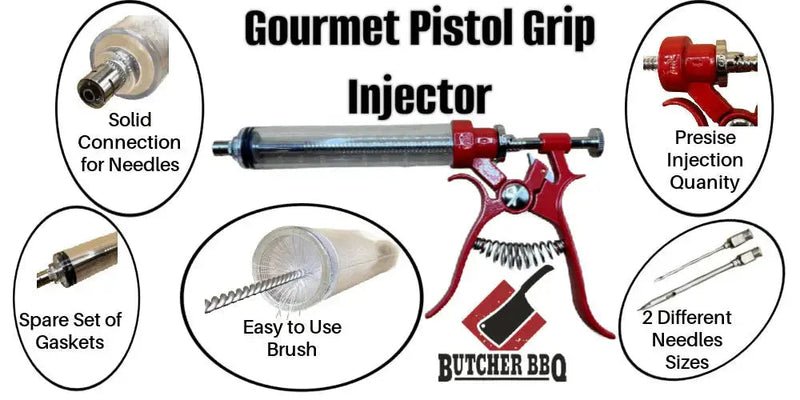
Imagine the perfect bite of succulent, flavor-packed meat. That’s what a marinade injector promises.
But what happens when it doesn’t work as expected? If you’ve been frustrated by clogged needles, uneven flavor distribution, or other marinade mishaps, you’re not alone. You deserve to unlock the full potential of your culinary creations without the hassle.
Our Marinade Injector Troubleshooting Guide is here to transform your cooking experience. Discover simple solutions to common problems, so you can master the art of marinating with confidence. Keep reading to learn how to make every meal a flavorful success!
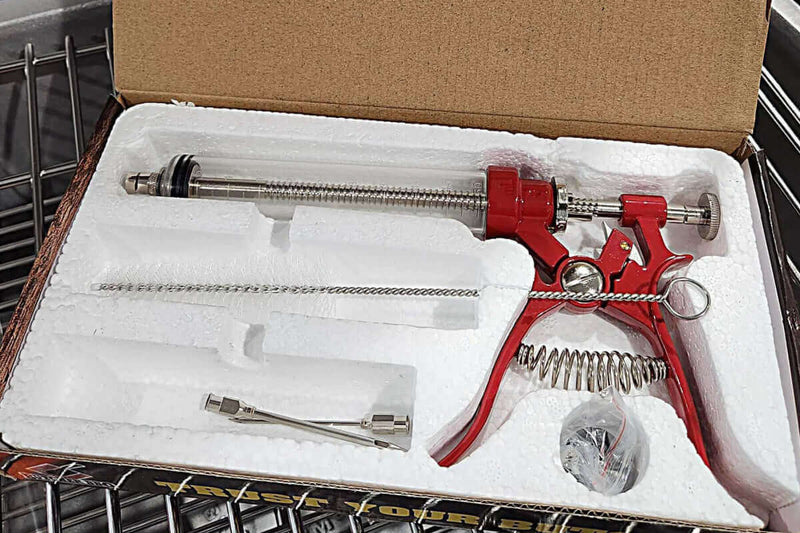
Credit: ddrbbqsupply.com
Common Marinade Injector Problems
Leaking needlesoften happen due to loose connections or cracks. Tighten the needle or replace it if damaged. Use food-safe tape around the threads to stop small leaks.
Clogged injector nozzlesblock marinade flow. Clean nozzles with warm water and a thin brush. Avoid thick marinades that clog easily.
Weak suction or no pressureusually means air leaks or a broken plunger seal. Check seals and replace if worn out. Make sure the plunger moves smoothly.
Difficulty in pulling the plungercan happen if the injector is dry or sticky inside. Lubricate the plunger lightly with cooking oil. Clean the barrel regularly.
Uneven marinade distributionoccurs when needles are clogged or marinade is too thick. Use thinner marinade and clean needles before use. Inject marinade evenly by moving the needle slowly.

Credit: www.amazon.ca
Tools And Materials Needed
Essential tools include a clean marinade injector, fresh needles, and mild soap for cleaning. Gather materials like marinade liquids and a soft cloth to help with maintenance and troubleshooting.
- Cleaning brushescome in various sizes. They help clean injector needles and tubes.
- Use soft-bristled brushesto avoid damage.
- Lubricantskeep moving parts smooth. Food-safe oils are best.
- Choose lubricants that won’t affect food taste.
- Replacement partsinclude needles, seals, and plungers.
- Keep spare parts handy for quick fixes.
- Basic household items like paper towels, cotton swabs, and warm waterassist in cleaning.
- Use these items to wipe and rinse the injector.
Step-by-step Cleaning Tips
Carefully take apart the injector by removing the needle, plunger, and tube. Keep the small parts safe to avoid loss. Use a soft cloth to wipe off any visible dirt or marinade inside each part.
Use warm water and mild soap to soak the parts. Use a thin brush or pipe cleaner to clear out any clogs or stuck residue inside the needle and tube. Rinse well with clean water to remove soap.
Sanitize the parts by soaking them in a solution of one part vinegar and three parts water for 10 minutes. This kills bacteria and removes odors. Rinse thoroughly with clean water after soaking.
Put all parts back together carefully, ensuring the needle and plunger fit snugly. Check that moving parts slide easily without sticking. Test the injector with water before using it again to ensure it works well.

Credit: www.amazon.ca
Fixing Leaks And Seals
Check the O-ringscarefully for cracks, tears, or dirt. Worn-out or damaged O-rings cause leaks. Clean them gently with warm water and mild soap. Dry completely before reassembling. Replace O-rings if they look brittle or misshapen.
Damaged seals can stop the injector from working well. Use the correct size seal for your injector model. Remove old seals carefully to avoid damage. Fit new seals snugly without stretching or twisting. Test the injector after replacing seals to ensure no leaks.
Apply a thin layer of food-safe lubricanton seals and O-rings. This helps keep them soft and prevents cracking. Use lubricants made for kitchen tools only. Avoid over-lubricating, as this may attract dirt and cause slipping.
Improving Plunger Performance
Airlocks can block the plunger and stop it from moving well. To check for airlocks, pull the plunger back slowly and watch for bubbles or resistance. Tap the injector gently to help air bubbles rise and escape. Clear any trapped air for smooth operation.
Lubricating the moving parts is key. Use a small amount of food-safe lubricant on the plunger shaft and seals. This reduces friction and makes it easier to push and pull the plunger.
Ensuring smooth operation means the plunger must slide freely. Clean all parts regularly to remove marinade residue. Check that the plunger is not bent or damaged. Keep the injector dry and store it properly to avoid rust or sticky parts.
Preventive Maintenance Tips
Regular cleaningprevents clogs and keeps the injector working well. Clean the needle and tube after each use. Use warm water and mild soap. Dry all parts before storing.
Proper storageprotects the injector from damage. Store it in a dry place. Avoid leaving marinade inside overnight. Keep parts separated to avoid bending the needle.
Suitable marinade consistencyhelps the injector work smoothly. Avoid thick or chunky marinades. Thin marinades flow better through the needle. If needed, strain the marinade before use.
When To Replace Your Injector
Signs of irreparable damageinclude cracks in the needle or barrel. A bent needle may cause poor injection. Leaks around the plunger or nozzle show wear. Rust or corrosion on metal parts is a bad sign. If cleaning does not fix these, replacement is needed. Using a damaged injector can spoil the marinade or food.
Choosing the right replacementmeans matching needle size and injector capacity. Check if the new injector fits your marinade type. Look for durable materials like stainless steel. Easy-to-clean models save time. Some injectors come with extra needles or parts.
| Feature | Why It Matters |
|---|---|
| Needle Size | Ensures proper marinade flow and food penetration |
| Material | Stainless steel resists rust and lasts longer |
| Capacity | Matches the amount of marinade you use |
| Ease of Cleaning | Prevents bacteria build-up and saves time |
Disposal and recyclingof old injectors should follow local rules. Many parts can be recycled, especially metal ones. Plastic parts may need special handling. Remove batteries if any before disposal. Proper disposal keeps the environment safe.
Frequently Asked Questions
How Do I Fix A Clogged Marinade Injector Needle?
To fix a clogged needle, soak it in warm soapy water. Use a thin brush or pin to clear blockages. Rinse thoroughly and test before use. Regular cleaning prevents clogs and ensures smooth marinade flow during injection.
Why Is My Marinade Injector Not Drawing Liquid?
Check if the needle is securely attached and not clogged. Ensure the plunger moves smoothly without resistance. Inspect seals for damage or air leaks. Proper assembly and cleaning help maintain suction and effective marinade injection.
How Can I Prevent Leaks In My Marinade Injector?
Tighten all connections and replace worn seals or O-rings. Avoid overfilling the injector to reduce pressure. Clean parts thoroughly after each use. Proper maintenance prevents leaks and ensures consistent marinade delivery every time.
What Causes Uneven Marinade Distribution Using An Injector?
Uneven distribution can result from a clogged needle or improper injection technique. Inject marinade slowly at multiple points for even coverage. Regular cleaning and careful injection ensure uniform flavor and moisture throughout the meat.
Conclusion
Troubleshooting your marinade injector keeps cooking smooth and tasty. Clean the injector well to avoid clogs. Check the needle and tubes for damage or blockages. Use the right marinade thickness for best results. Take time to fix small issues early.
This helps your injector last longer and work better. Keep these tips in mind for easy, flavorful meals. Enjoy cooking with confidence and less stress. Simple care makes a big difference in your kitchen.