
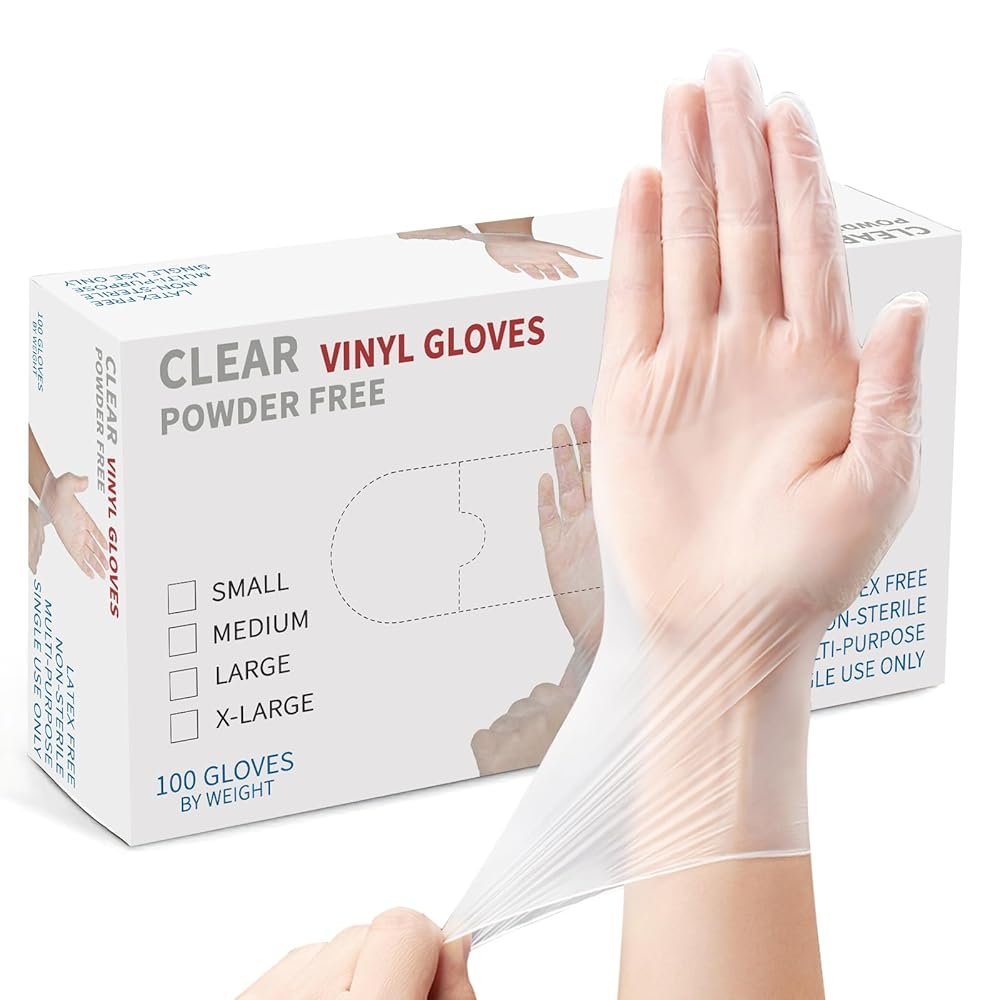
Imagine you’re in your kitchen, ready to prepare a delicious meal. You have your ingredients laid out, your recipe open, and you’re about to put on a pair of gloves.
But wait—are vinyl gloves safe for cooking? This question might not be the first thing on your mind, but it’s crucial to know for the safety of your food and your health. You want to ensure that the gloves you use won’t contaminate your food or compromise your safety.
Stay with us as we explore everything you need to know about the safety of vinyl gloves in the kitchen. Your culinary expertise deserves the best, and so does your peace of mind. Let’s dive into this important topic to ensure your cooking experience is both safe and enjoyable.
Vinyl Gloves In The Kitchen
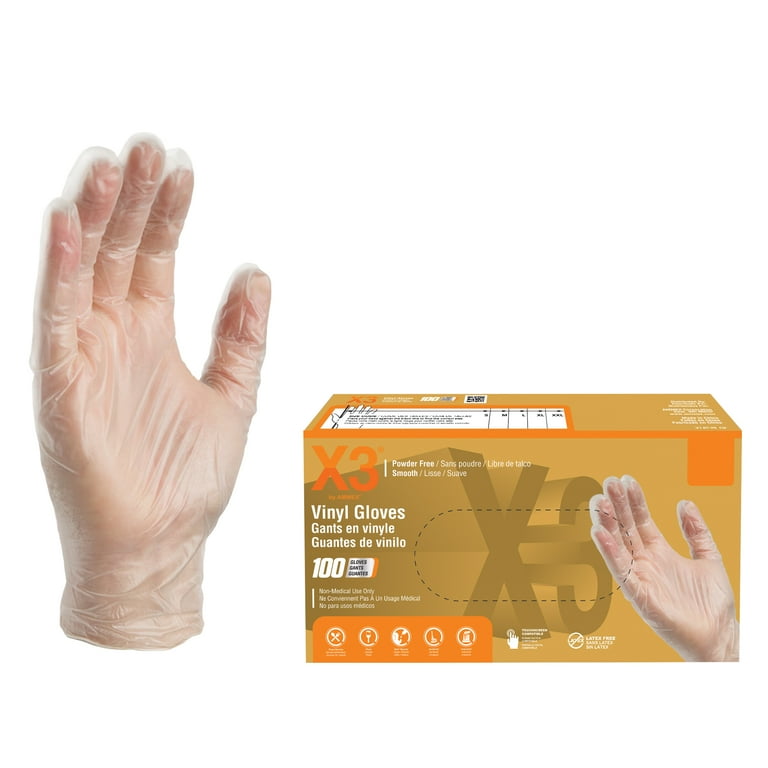
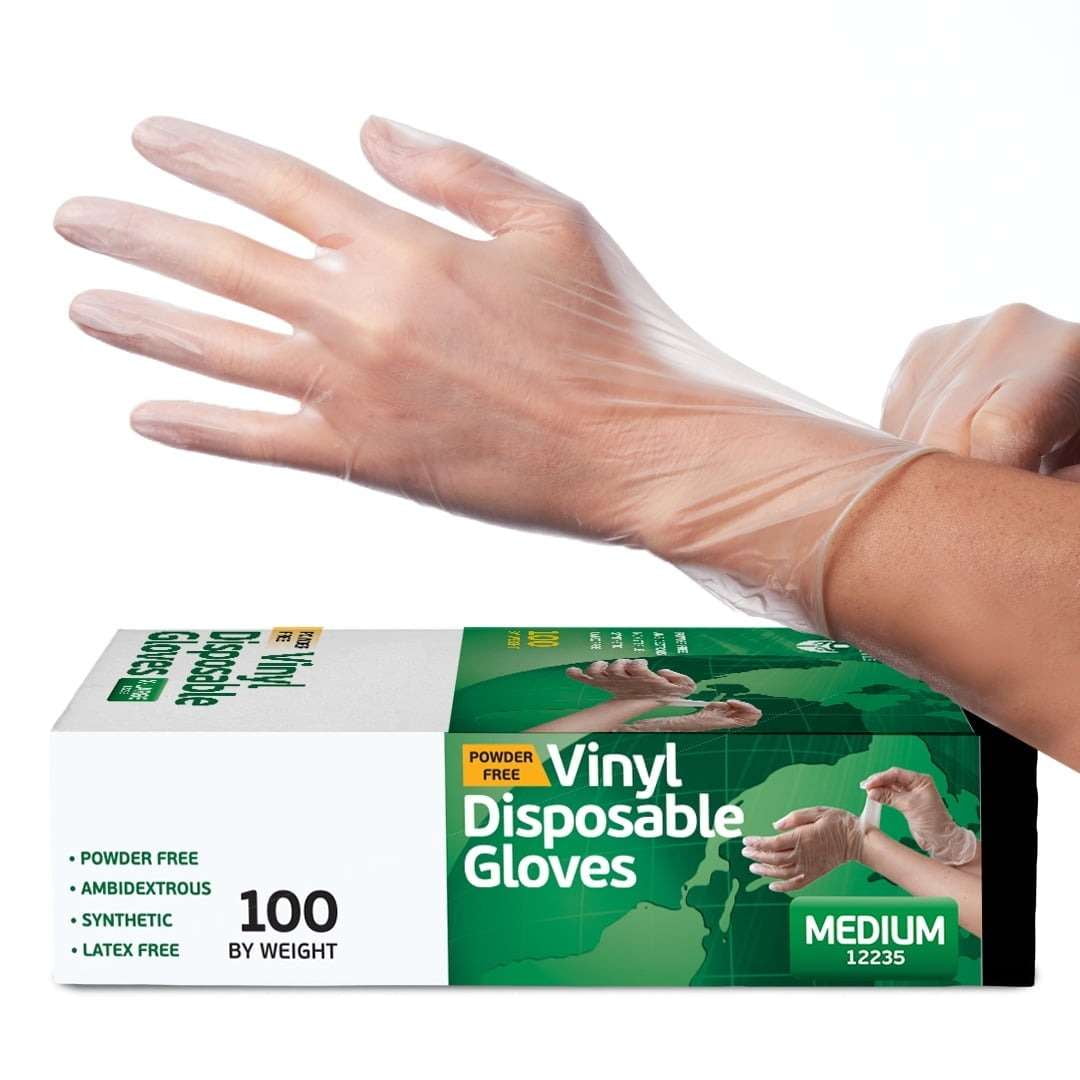
Vinyl glovesare made from synthetic materials called polyvinyl chloride (PVC). They do not contain latex, so they are less likely to cause allergies. These gloves are flexible and fit loosely compared to other gloves.
Vinyl gloves are best for short tasks where cleanlinessis important but heavy protection is not needed. They are not very strong or stretchy.
- Handling cold foods
- Light food prep like cutting vegetables
- Serving food
- Cleaning kitchen surfaces
Vinyl gloves are not ideal for cooking with heat or oily foods. They can tear easily and do not protect well from heat or sharp knives. Use gloves that are thicker or made for kitchen safety in these cases.
Safety Factors To Consider
Vinyl glovesoffer good chemical resistance. They protect hands from many cleaning and cooking substances. But they are not strong against oils or solvents. Avoid using them with harsh chemicals in the kitchen.
Heat tolerance is low for vinyl gloves. They can melt or tear at high temperatures. Avoid touching hot pans or flames while wearing vinyl gloves. Use heat-resistant gloves for cooking tasks involving heat.
Some people might have allergy concernswith vinyl gloves. They usually cause fewer allergic reactions than latex gloves. Still, check for any skin irritation. Switch gloves if any allergy signs appear.
Comparing Vinyl With Other Gloves
Vinyl glovesare made from synthetic materials and cost less than latex or nitrile gloves. They are less stretchy and can tear more easily. Vinyl gloves do not fit as snugly as latex, which can reduce touch sensitivity.
Latex glovesoffer great flexibility and a tight fit. They provide good protection against many substances, but some people are allergic to latex. They are usually more expensive than vinyl gloves.
Nitrile glovesare strong, stretchy, and resistant to many chemicals. They offer a good fit and are a good choice for food handling. Nitrile gloves do not cause latex allergies.
| Glove Type | Pros | Cons |
|---|---|---|
| Vinyl | Inexpensive, good for short tasks | Less durable, loose fit, lower protection |
| Latex | Flexible, good fit, strong protection | Possible allergies, higher cost |
| Nitrile | Durable, chemical resistant, no allergies | More expensive than vinyl |
For cooking, vinyl gloves can be okay for simple tasks. But they may tear easily and fit loosely. Latex and nitrile gloves offer better protection and fit for food handling. Nitrile is a safer choice for those with latex allergies.
Credit: www.walmart.com
Proper Use And Handling
Change glovesafter touching raw food or any dirty surface. Gloves can carry germs and spread them if used too long. Always switch to a new pairbefore handling cooked or ready-to-eat food.
- Never use the same gloves for different tasks.
- Change gloves if they tear or become dirty.
- Wash hands before putting on new gloves.
Cross-contaminationhappens when germs move from one food to another. Using gloves helps, but only if used correctly.
- Use separate gloves for raw and cooked foods.
- Avoid touching your face or phone with gloves on.
- Change gloves frequently during food preparation.
Dispose of gloves right after use to keep the kitchen clean. Throw them in a trash bin, not on counters or floors. Never reuse gloves, as they can carry harmful germs.
Regulatory Standards And Guidelines
Vinyl gloves used in cooking must meet strict food safety regulations. These rules ensure gloves do not release harmful chemicals. The FDAin the United States sets standards for materials safe in contact with food.
Manufacturers provide recommendationson how to use vinyl gloves safely. They advise on temperature limitsand proper disposalafter use. Gloves should not touch hot surfaces or open flames.
| Regulatory Body | Key Requirement |
|---|---|
| FDA | Gloves must be free from harmful substances |
| EU Food Safety Authority | Gloves must pass migration tests for chemicals |
| Manufacturer | Use gloves only for short food contact times |
- Check glove packaging for regulatory approvals.
- Follow temperature limits to avoid melting or leaching.
- Discard gloves after single use to prevent contamination.
Credit: www.walmart.com
Alternatives For Safer Cooking
Reusable glovesare a good choice for safer cooking. They can be washed and used many times. Made from materials like silicone or nitrile, these gloves resist heat and chemicals. This makes them safer than vinyl gloves, which may break or leak. Reusable gloves also reduce waste, helping the environment.
Bare-handed handlingcan be safe if done with good hygiene. Wash hands well before cooking. Use soap and warm water for at least 20 seconds. Avoid touching your face or other surfaces while handling food. Keep nails short and clean to stop germs. This method allows better control and feel of food.

Credit: www.amazon.com
Frequently Asked Questions
Are Vinyl Gloves Safe For Food Preparation?
Yes, vinyl gloves are generally safe for food preparation. They provide a barrier against contaminants. However, they are less durable than nitrile or latex gloves and can tear easily.
Can Vinyl Gloves Handle Heat During Cooking?
Vinyl gloves are not heat-resistant. They should not be used for handling hot foods or cooking equipment. Use heat-safe gloves for those tasks.
Do Vinyl Gloves Cause Allergic Reactions In Cooking?
Vinyl gloves are latex-free, making them a good choice for people with latex allergies. They are less likely to cause skin irritation.
How Long Can Vinyl Gloves Be Worn While Cooking?
Vinyl gloves should be changed frequently during cooking, ideally after 15-20 minutes or when they become contaminated. Prolonged use reduces their effectiveness.
Conclusion
Vinyl gloves offer a basic level of protection during cooking. They are affordable and easy to use. Yet, they may not be the best choice for all tasks. Vinyl gloves can tear more easily than other types. They also may not block all bacteria.
For safer cooking, consider gloves made from nitrile or latex. Always change gloves between tasks. Keep your hands clean and dry. Using gloves is just one step to food safety. Choose gloves that fit well and feel comfortable. Safety in the kitchen is about smart choices and good habits.