
Imagine the joy of grilling without the hassle of constantly refilling propane tanks. Switching your propane grill to natural gas can offer you that convenience, and it’s easier than you might think.
Are you tired of those last-minute propane runs just when you’re ready to fire up the grill for a cookout? This guide is here to help you make the transformation smoothly and safely. You’ll discover how to enjoy a constant supply of natural gas, ensuring your grill is ready whenever you are.
Keep reading to learn how you can make this smart upgrade and transform your grilling experience.
Reasons To Switch To Natural Gas
Switching to natural gassaves money over time. Natural gas costs less than propane per unit. This means lower bills for cooking and grilling.
Natural gas grills connect directly to your home’s gas line. No need to refill tanks or carry heavy bottles. This makes grilling easier and more convenient.
Natural gas burns cleaner than propane. It produces fewer pollutants and less carbon dioxide. Using natural gas helps reduce your environmental impactand keeps the air cleaner.

Credit: www.realendpoints.com
Tools And Materials Needed
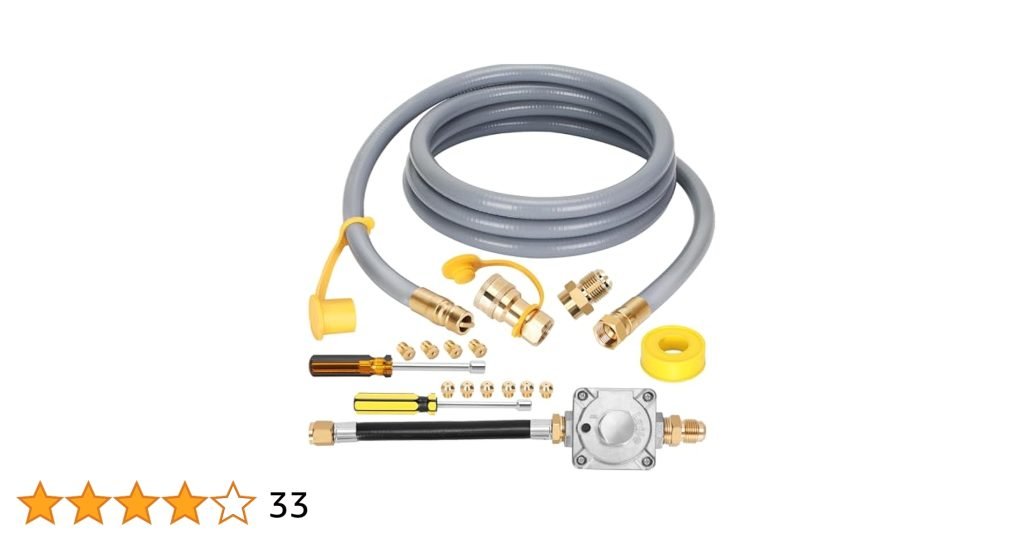
The conversion kitincludes key parts like a regulator, hose, adapters, and new burner orifices. These parts help change the grill to run on natural gas safely.
Safety is very important. Use glovesand safety glassesto protect yourself. Also, have a fire extinguishernearby just in case.
- Adjustable wrenchfor tightening fittings
- Screwdriversfor removing screws
- Pipe thread sealantto stop gas leaks
- Soapy waterto check for leaks after installation
Safety Precautions Before Starting
Turn off the propane supplybefore starting any work. This stops gas flow and prevents accidents. Make sure the valve on the propane tank is fully closed. Remove the propane tank from the grill for extra safety.
Check for gas leaksafter connecting the natural gas line. Mix soap and water, then apply to connections and hoses. Look for bubbles, which mean gas is escaping. Fix leaks before using the grill.
Ensure proper ventilationin the grilling area. Natural gas needs good airflow to burn safely. Use the grill outdoors or in an open, airy space. Avoid enclosed or poorly ventilated areas to prevent gas buildup.
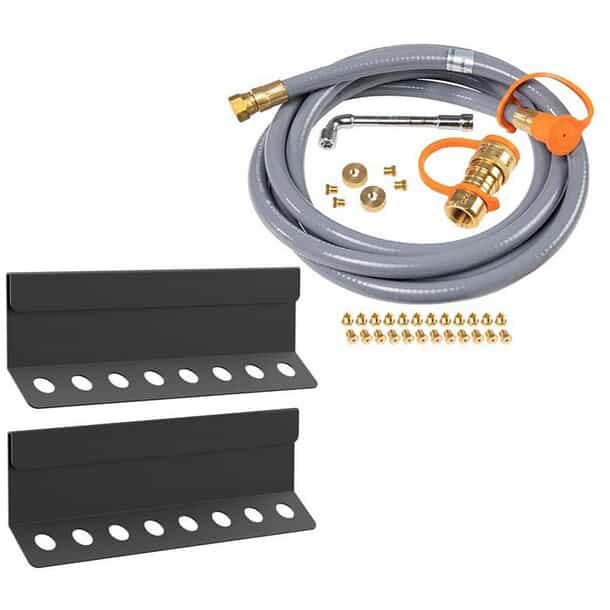
Credit: www.homehardware.ca
Step 1: Disconnect Propane Tank
Begin by turning off the propane tank valve. This stops gas flow and ensures safety. Next, carefully loosen the hose connection using a wrench. Remove the hose from the propane tank. Avoid using excessive force to prevent damage. Check the hose for cracks or wear before storing it.
Store the propane tank in a cool, dry place outside. Keep it upright and away from heat sources or flames. Ensure the valve is tightly closed to stop any leaks. Use a propane tank cover if possible to protect it from weather. Never store tanks indoors or in basements. Proper storage helps prevent accidents and extends tank life.
Step 2: Replace Orifices
Start by turning off the propane supply and disconnecting the grill. Remove the burner covers to see the orifices. Use a wrench to carefully unscrew the old propane orifices. Keep them safe in case you need them later.
Check the size and thread of the new natural gas orifices. Attach the new orifices by screwing them into the burner tubes. Tighten them snugly, but avoid over-tightening to prevent damage. Make sure each orifice is secure and properly seated before moving on.
Step 3: Install Natural Gas Regulator
First, disconnect the propane tank from the grill. Remove the propane regulatorby loosening the connection nut. Keep the regulator for backup or future use.
Next, take the natural gas regulatorand attach it to the grill’s gas inlet. Tighten the connection nut securely but do not over-tighten.
- Check that the regulator matches your grill model.
- Use a wrench for a snug fit.
- Ensure no gas leaks by testing with soapy water later.
Step 4: Connect Natural Gas Line
Secure the natural gas line tightly to avoid leaks. Use a pipe thread sealant or Teflon tape for a proper seal. Tighten connections with a wrench, but do not over-tighten. Over-tightening can damage threads and cause leaks.
Check that the gas line fits the grill’s inlet without gaps. A loose fit can be dangerous. Use adapters if needed to match the pipe size. Ensure all parts are clean and free from debris before connecting.
- Use approved materials for natural gas lines
- Confirm no kinks or sharp bends in the gas line
- Test connections with a soapy water solution for leaks
- Always turn off the gas supply before working on connections

Credit: www.amazon.ca
Step 5: Test For Leaks
Mix dish soap with water to create a soapy solution. Use a spray bottle or brush to apply it to all gas connections and joints. Look closely for bubbles forming, which show gas leaks. Bubbles mean gas is escaping and it is unsafe. Never light the grill while testing for leaks.
If you find leaks, tighten the connections carefully. Use a wrench to secure fittings but do not over-tighten. If leaks continue, replace damaged parts or seals. Always retest with soapy water until no bubbles appear. This ensures your grill is safe to use with natural gas.
Step 6: Adjust Air Shutter For Optimal Flame
Adjust the air shutter to control the amount of air mixing with gas. This helps create a steady, blue flame for better cooking. Check the flame color and adjust until it burns clean and strong.
Locating Air Shutter
The air shutter is near the burner tube. It controls the mix of air and gas. Usually, it looks like a small metal plate or ring. Loosen the screw or clip holding it in place. Slide or rotate the shutter to open or close the air gap.
Fine-tuning Flame Appearance
A proper flame is blue with small yellow tips. Too much air makes the flame noisy and lifts it off the burner. Too little air creates a yellow, lazy flame and more soot.
- Open the air shutter to make the flame blue and steady.
- Close it slightly if the flame is too high or noisy.
- Check the flame after each small adjustment.
- Adjust until the flame burns clean and stable.
Common Issues And Troubleshooting
Weak flameoften means the gas pressure is too low. Check the regulator and make sure it fits the natural gas line. Clean the burners carefully; dirt can block gas flow. Inspect the orifices; they may need larger holes for natural gas. Adjust the air shutter to get a blue, steady flame.
Gas smellmeans a leak might be present. Turn off the gas immediately. Check all connections with soapy water for bubbles. Tighten loose fittings or replace damaged hoses. Never ignore a strong gas odor; it is dangerous.
Ignition problemscan come from dirty igniters or weak batteries. Clean the igniter tip and check wires for damage. Replace batteries if used. Make sure the gas is reaching the burner. Sometimes, lighting with a match helps find the issue.
Maintenance Tips After Conversion
Perform regular leak checksto keep your grill safe. Use soapy water on connections and watch for bubbles. Bubbles mean gas is escaping. Fix leaks before using the grill.
Clean burners often to keep flames steady. Remove debris and grease buildup. Use a soft brush or cloth. Keep burner holes clear for even heat.
- Store equipment in a dry place.
- Keep hoses away from sharp edges.
- Cover the grill to protect from dirt.
- Turn off the gas supply after each use.
Frequently Asked Questions
How Do I Convert A Propane Grill To Natural Gas?
To convert, purchase a natural gas conversion kit for your grill model. Replace the propane regulator and orifices with kit parts. Connect the grill to a natural gas line safely, following instructions or hiring a professional plumber for best results.
Is It Safe To Convert Propane Grill To Natural Gas?
Yes, it is safe if done correctly. Always use a certified conversion kit. Follow manufacturer instructions precisely. Ensure connections are leak-free. Hiring a professional for installation is highly recommended to avoid hazards and ensure proper operation.
What Tools Are Needed To Convert Propane Grill?
You will need a wrench, screwdriver, and a natural gas conversion kit. The kit includes new orifices and a regulator. A soap solution helps check for gas leaks after installation. Always follow safety guidelines and manufacturer instructions during the process.
Can I Convert Any Propane Grill To Natural Gas?
Most propane grills can be converted, but check the manufacturer’s guidelines first. Some models may not support conversion or require specific kits. Verify compatibility before purchasing a conversion kit to ensure a safe and effective switch to natural gas.
Conclusion
Converting a propane grill to natural gas saves money and time. It uses a steady fuel source right from your home. The process needs the right parts and careful steps. Always check for gas leaks to stay safe. This change helps you cook longer without buying tanks.
Enjoy your grill with less hassle and more convenience. Simple tools and a bit of patience get the job done. Now, you can grill easily and enjoy tasty meals more often.