
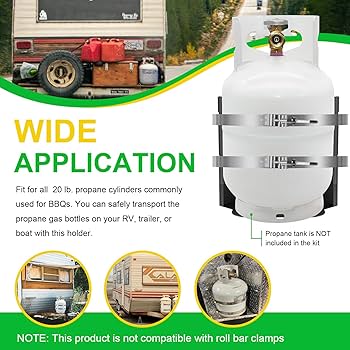
Your safety is your top priority, especially when handling something as crucial as propane tanks. Imagine the peace of mind you’ll feel knowing you’ve transported your propane tank safely and securely.
Whether you’re heading out for a camping adventure or simply need to refill your home supply, understanding how to do this safely can prevent accidents and keep you out of harm’s way. In this guide, you’ll discover simple, effective steps for transporting propane tanks without risk.
Stay tuned to learn how to protect yourself, your family, and your property with these essential tips. After all, a little knowledge goes a long way in ensuring your safety and peace of mind.

Credit: www.reddit.com
Preparing The Propane Tank
First, inspect the propane tankfor any leaks or damage. Look for dents, cracks, or rust on the tank body. Use a soapy water solution on valve areas to spot leaks. Bubbles mean gas is escaping. Fix or replace damaged tanks before moving.
Make sure to close the valve tightly. This stops gas from leaking during transport. Turn the valve clockwise until it feels snug. Avoid over-tightening, which can break the valve.
Remove any protective capscovering the valve. These caps protect the valve during storage. Take them off before transport to avoid pressure build-up. Keep them safe to use later.
Credit: www.homedepot.com
Choosing The Right Vehicle
Choose a vehicle with good airflowfor propane tank transport. Open trucks or vehicles with open beds work best. This helps prevent dangerous gas buildup.
Avoid carrying tanks inside closed spaceslike car trunks or cabins. These areas trap propane gas, increasing risk of fire or explosion.
- Use strong straps or chains to secure the tank.
- Place the tank upright to keep valves safe.
- Check that the tank cannot move or tip over during travel.
Loading And Securing The Tank
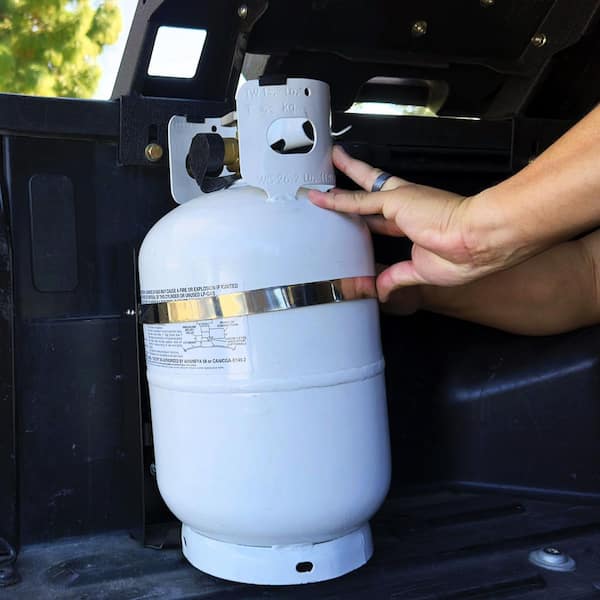
Always keep the propane tank upright. This position stops gas from leaking. It also keeps the safety valve working well.
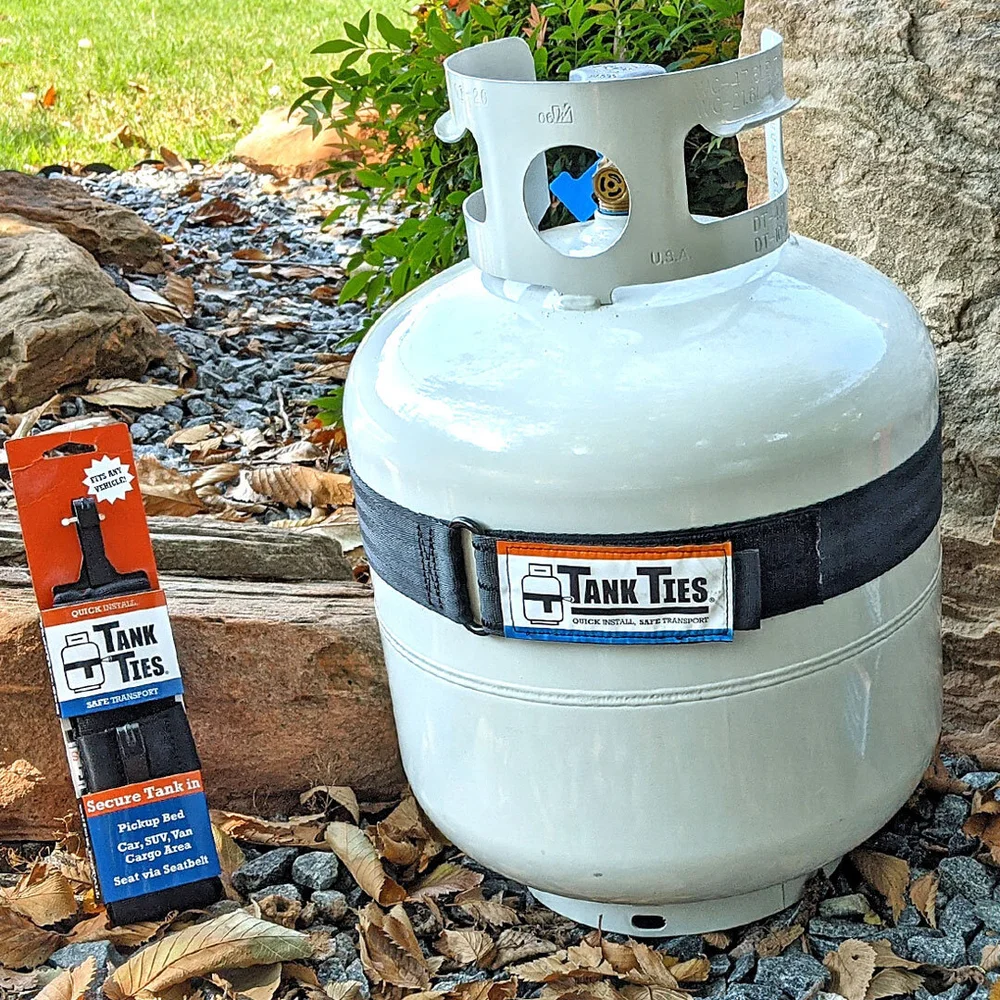
Use tie-down strapsto hold the tank in place. Tight straps stop the tank from moving during the ride. Secure straps to a strong part of the vehicle.
- Place the tank on a flat surface.
- Use several straps to hold it tight.
- Check straps often during long trips.
Prevent any movement during transit. A tank that moves can get damaged or cause leaks. Secure the tank well to avoid accidents.
Driving Tips For Safe Transport
Avoid sharp turns and sudden stopsto keep the propane tank stable. Sudden moves can cause the tank to tip over or get damaged. Drive smoothly and gently to prevent any risks during transport.
Drive at moderate speeds. Fast driving can increase the chance of accidents. A steady pace helps keep control of your vehicle and protects the propane tank from jolts.
Stay alert to road conditions. Watch for bumps, potholes, or slippery surfaces. Adjust your driving to match the road. This care lowers the chance of spills or leaks.
Legal Regulations And Guidelines
Different areas have specific lawsfor carrying propane tanks. These laws help keep everyone safe. Check your local rules before transport. Some places require special permits or routes.
Propane tanks must have clear labelsshowing contents and hazards. Proper labeling helps emergency workers and others recognize the tank’s dangers. Always use labels that meet official guidelines.
| Quantity Limit | Description |
|---|---|
| Small Amounts | Usually allowed without special permits |
| Large Amounts | Often need permits and special transport methods |
- Follow rules on how much propane you can carry.
- Check if extra safety gear is needed for larger tanks.
- Keep the tank upright and secure during transport.
Credit: www.tankties.com
Emergency Preparedness
Carry a fire extinguisherthat is suitable for gas fires. Keep it near the propane tank during transport. Check the extinguisher’s pressure gauge regularly. Know how to use it properly. This can stop small fires quickly and prevent damage.
Keep a list of emergency contact numbershandy. Include local fire department, gas company, and poison control center. Save these numbers on your phone and write them down. Quick access can save precious time in an emergency.
Be alert to signs of propane leaks. These include a strong smell like rotten eggs, hissing sounds near the tank, or dead plants close to the tank area. If you notice any sign, move away and call for help immediately.
Frequently Asked Questions
How Should I Position A Propane Tank During Transport?
Always keep the propane tank upright during transport. This prevents gas leaks and ensures safety. Secure it firmly to avoid movement.
Can I Transport A Propane Tank In A Car Trunk?
It is not recommended to transport propane tanks in a car trunk. Keep tanks in a well-ventilated area to avoid gas buildup and hazards.
What Safety Checks Are Needed Before Moving A Propane Tank?
Check for leaks, damage, and ensure the valve is closed tightly. Use soapy water to detect leaks before transport.
Is It Safe To Transport A Propane Tank Indoors?
No, transporting propane tanks indoors is unsafe. Always move them in open or well-ventilated areas to prevent gas accumulation.
Conclusion
Transporting propane tanks safely protects you and others on the road. Always keep the tank upright and secure it well. Never leave the tank inside a hot vehicle for long. Open windows to allow fresh air during transport. Check for leaks before moving the tank.
Following these simple steps reduces risks significantly. Safety should always be your top priority. Handle propane tanks with care and respect. Safe transport means peace of mind for everyone. Stay alert, stay safe, and transport propane wisely.