
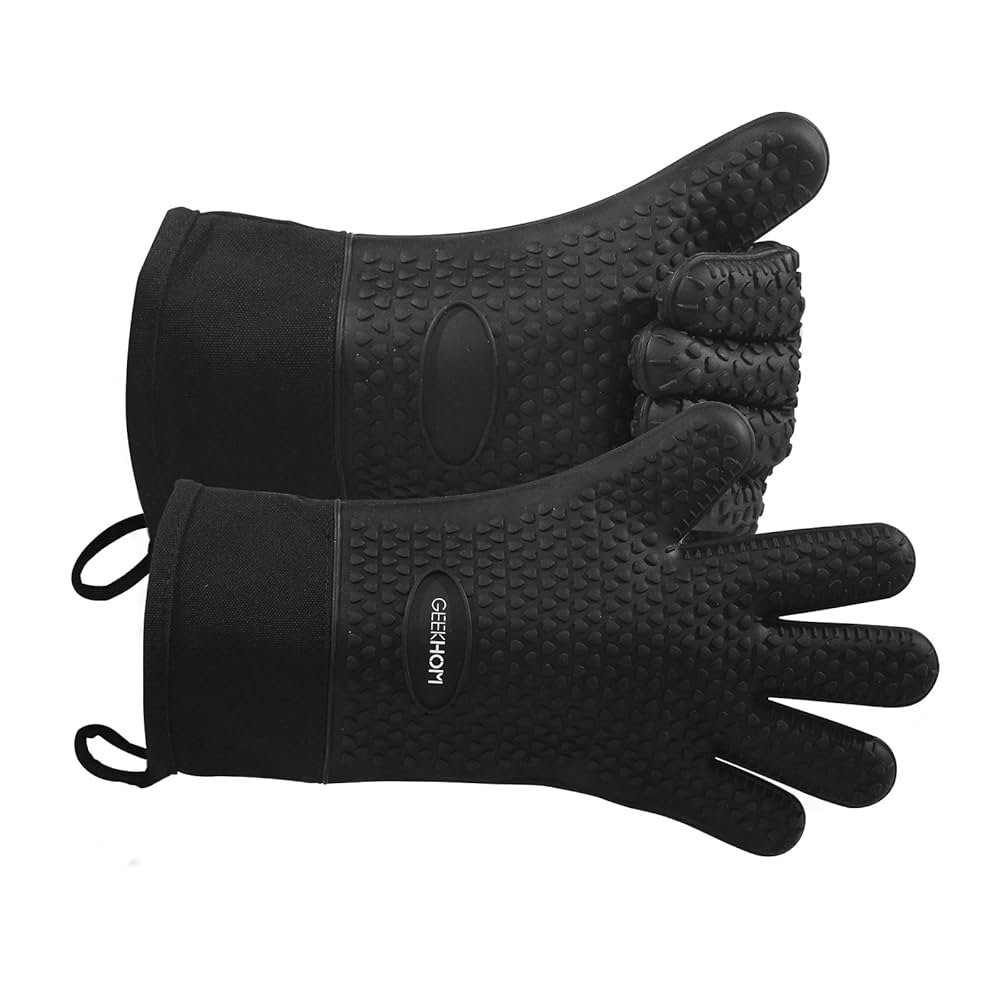
When you’re in the kitchen, safety is just as important as creativity. Handling hot pots, pans, and dishes can often be a risky affair.
That’s where silicone gloves come into the picture. But here’s the burning question: Are silicone gloves truly heat resistant, or are they just another kitchen fad? You might have your doubts, and rightly so. No one wants to risk a painful burn while trying out a new recipe or grilling the perfect steak.
We’ll dive into the facts about silicone gloves and their heat resistance capabilities. You’ll learn whether they can be trusted to keep your hands safe during those hot culinary adventures. So, if you want to make informed choices for your kitchen safety, keep reading to discover if silicone gloves are the reliable partners you need.

Credit: www.amazon.com
Heat Resistance Of Silicone Gloves
Siliconeis a flexible and durable material. It can handle heat better than many plastics. This makes silicone gloves useful for tasks involving hot items. The material stays soft and strong even at high temperatures. It also resists damage from chemicals and water.
Silicone gloves can protect hands from heat up to a certain level. They are not fireproof but can handle warmth from cooking or baking. The gloves work well with hot pans, ovens, and grills. They help prevent burns and keep hands safe.
| Temperature Range | Use Case |
|---|---|
| -40°C to 230°C (-40°F to 446°F) | Safe for cooking, baking, and handling hot objects |
| Above 230°C (446°F) | Not recommended; gloves may degrade or lose protection |
Comparing Silicone To Other Glove Materials
Silicone glovesoffer good heat resistance and flexibility. They handle heat better than latex gloves, which are thin and can melt under high heat. Latex is stretchy but not suited for hot surfaces.
Neoprene glovesresist chemicals and moderate heat well. They feel thicker than silicone but are less flexible. Silicone offers better heat protection and lasts longer under heat stress.
| Glove Material | Heat Resistance | Flexibility | Durability |
|---|---|---|---|
| Silicone | High (up to 450°F) | Very Flexible | High |
| Latex | Low (melts easily) | Very Flexible | Moderate |
| Neoprene | Moderate | Moderate | High |
| Kevlar | Very High (up to 932°F) | Less Flexible | Very High |
Kevlar glovesoffer the best heat and cut protection. They are tough but less flexible. Silicone gloves are easier to wear and clean but do not protect as much as Kevlar.
Common Uses For Heat-resistant Silicone Gloves
Silicone glovesare popular for their heat resistanceand flexibility. They protect hands from burns and hot surfaces.
In cooking and baking, these gloves help handle hot pots, pans, and trays safely. They allow a firm grip on slippery items.
Industrial applicationsbenefit from silicone gloves too. Workers use them to handle hot machinery parts and tools.
In laboratories, these gloves protect from heat during chemical experiments or hot equipment use. They also resist many chemicals.
Choosing The Right Silicone Gloves For Heat Protection
Thicknessmatters for heat protection. Thicker gloves can resist higher temperatures but may reduce finger movement. A good design balances heat resistanceand flexibility. Look for gloves with textured surfaces to improve grip on hot items.
Check for certificationslike ASTM or EN standards. These show the gloves meet safety rules for heat protection. Certified gloves give confidencein their quality and safety.
Comfort is key for long use. Soft silicone inside feels nice on skin. Gloves should allow easy hand movementfor tasks needing precision. Too stiff or bulky gloves make work hard and slow.
Care And Maintenance Tips
Silicone gloves handle heat well but avoid direct flame exposure to keep them safe. Clean gloves with mild soap and water to maintain flexibility and durability. Store in a cool, dry place away from sharp objects to prevent damage.
Cleaning Silicone Gloves
Silicone gloves should be cleaned with warm, soapy water. Use a soft sponge or cloth to remove dirt. Rinse well to avoid soap residue. Dry gloves completely before storing. Avoid harsh chemicals or bleach, as they can damage the material.
Storage Guidelines
Store silicone gloves in a cool, dry place. Keep them away from sharp objects to prevent tears. Avoid direct sunlight, which can weaken the silicone. Lay them flat or hang them to keep their shape.
Signs Of Wear And Replacement
- Cracks or tears in the silicone surface
- Loss of flexibility or stretchiness
- Discoloration or sticky texture
- Reduced heat resistance during use
Replace gloves when these signs appear for safety.

Credit: www.ebay.ca
Safety Precautions When Using Silicone Gloves
Silicone glovescan resist heat but have limits. Avoid exposing them to very high temperatures for long times. Always check the glove’s heat rating before use.
Be careful when handling hot liquids and objects. Use slow, steady movements to prevent spills. Keep hot items stable to avoid accidents.
Combine silicone gloves with other safety gearlike aprons and eye protection. This adds extra safety when working with heat. Never rely on gloves alone for full protection.

Credit: www.amazon.ca
Frequently Asked Questions
Are Silicone Gloves Safe For Handling Hot Objects?
Yes, silicone gloves are designed to withstand high temperatures. They protect hands from burns up to 450°F (232°C), making them ideal for cooking and baking.
How Heat Resistant Are Silicone Gloves Compared To Other Gloves?
Silicone gloves typically resist heat up to 450°F. This is higher than many fabric or rubber gloves, offering superior protection against burns.
Can Silicone Gloves Be Used For Oven And Grill Work?
Absolutely. Silicone gloves are perfect for oven and grill tasks. They provide excellent heat resistance and a non-slip grip for safe handling.
Do Silicone Gloves Protect Against Steam Burns?
Yes, silicone gloves offer good protection against steam burns. Their heat-resistant material shields hands from hot steam and moisture effectively.
Conclusion
Silicone gloves offer good heat resistance for daily kitchen tasks. They protect hands from hot pots, pans, and steam. Still, they have limits and can melt if too hot. Always check the glove’s heat rating before use. For very high heat, use specialized gloves.
Silicone gloves also provide good grip and flexibility. They are easy to clean and last long. Choosing the right gloves keeps your hands safe and comfortable. Simple and practical for most cooking needs. A smart choice for everyday heat protection.