
Picture this: you open your fridge, and it not only tells you what’s inside but also helps cut down your electricity bill. Fascinating, right?
If you’ve ever wondered whether smart fridges are worth the investment, especially when it comes to saving electricity, you’re not alone. As you consider adding a high-tech appliance to your kitchen, it’s crucial to know if these intelligent refrigerators are just a luxury or a smart way to save on energy costs.
We’ll explore how smart fridges work and whether they can truly make a difference in your electricity usage. We’ll dive into the features that make these appliances stand out and look at the potential savings on your monthly bills. By the end of this read, you’ll have a clear understanding of whether a smart fridge could be a game-changer for your home. Get ready to discover if this tech-savvy appliance deserves a spot in your kitchen and your energy-saving plans.
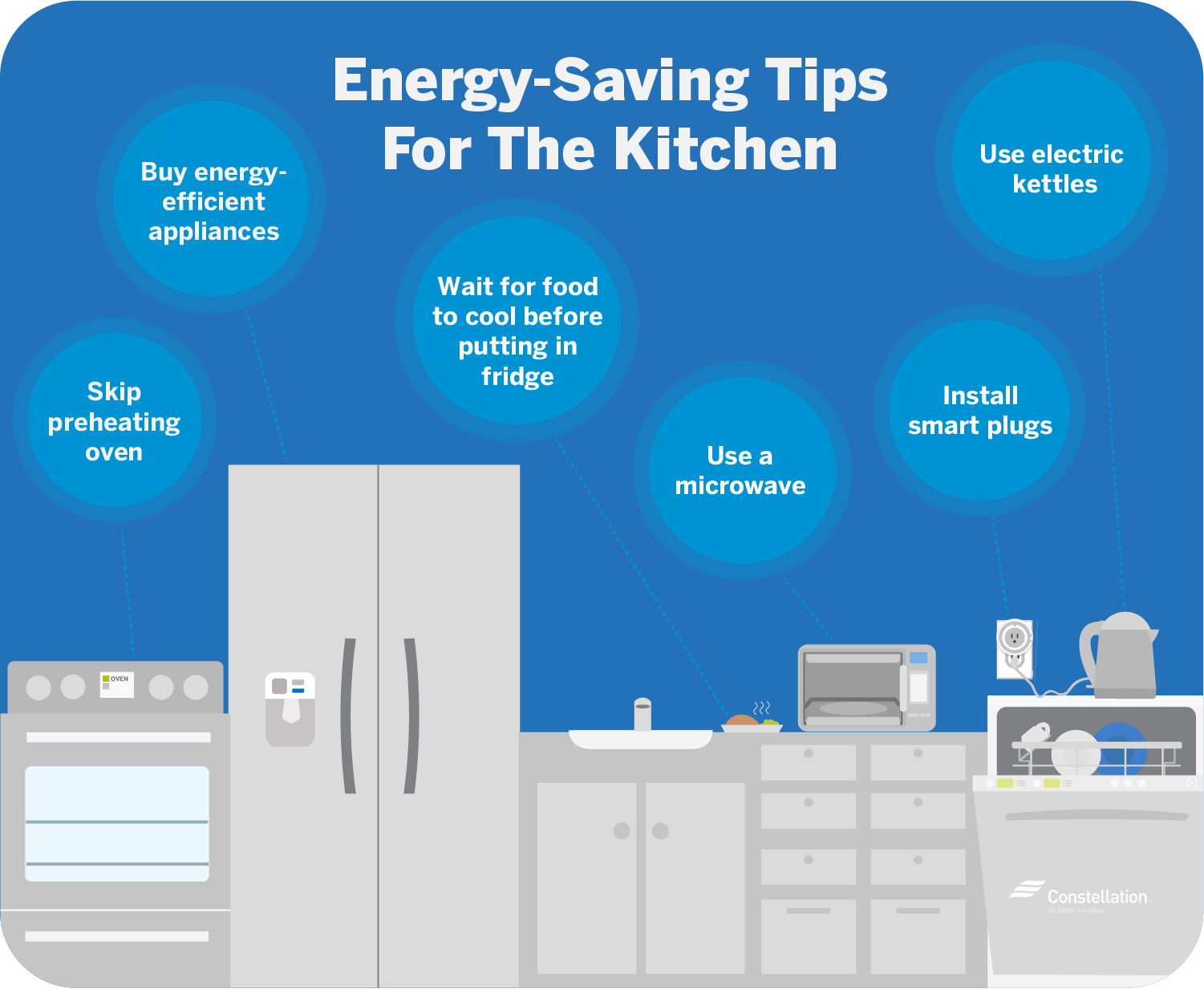
Credit: blog.constellation.com
How Smart Fridges Work
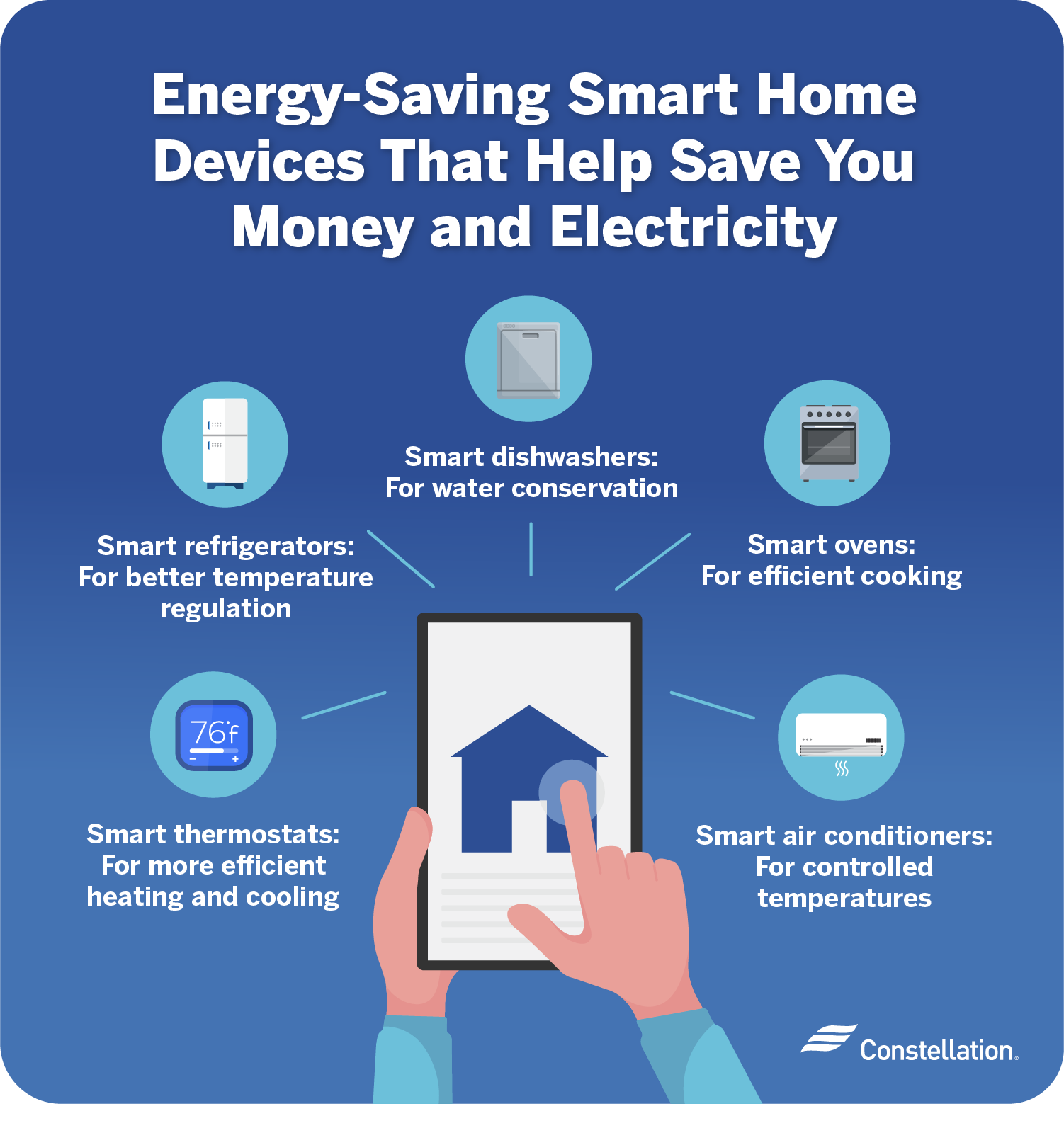
Smart fridgesuse special technologyto run better. They have sensors to track temperature and food freshness. These sensors help keep the fridge cool without using much power. Smart fridges connect to Wi-Fi. They can send alerts to your phone if the door is open. This saves energy. Some models have touch screens to manage settings easily. You can even see inside the fridge without opening it. This means less cold air escapes. Smart fridges help save electricity and keep food fresh longer.
Inside a smart fridge, there are many advanced parts. They use compressors that adjust speed. This uses less power than regular compressors. Smart fridges can learn your habits. They know when you use the fridge most. This helps them run more efficiently. Many have apps for better control. You can change settings from your phone. This makes it easy to save energy.
- Energy-efficientcompressors
- Wi-Fi connectivity for remote control
- Sensors for temperature and freshness
- Touch screens for easy use
- Alerts for open doors
- Apps for monitoring and control
Credit: blog.constellation.com
Energy Efficiency Of Smart Fridges
Smart fridgesuse new technology to save electricity. They have special parts that use less energy. These parts can keep food cold without wasting power. Some smart fridges can even learn your habits. They adjust their cooling based on usage. This helps save more electricity.
Energy-saving Components
Smart fridges have energy-saving components Smart fridges use less energy. They have better features. These fridges help save money on bills. Traditional fridges are less efficient. They use old methods to cool. Smart fridges are better for the planet.Comparing Traditional Vs. Smart Fridges
Feature Traditional Fridge Smart Fridge Energy Usage High Low Cooling Method Basic Advanced Lighting Regular Bulbs LED Lights Features Few Many
Benefits Of Smart Fridges
Smart fridges connect to the internet. They offer easy access to recipes and shopping lists. You can control them using your phone. This makes life simpler. Fridges can tell you when food is about to spoil. They even help plan meals. Families find this very helpful. Smart fridges also send alerts. They tell you when the door is open. This saves energy and keeps food fresh.
Smart fridges are designed to save energy. They use sensors to keep temperatures steady. This helps reduce electricity use. Some models have energy-saving modes. These modes adjust settings to save power. Families notice lower bills. Smart fridges also track energy use. This helps you see how much power you save. Over time, these savings add up.
Potential Drawbacks
Smart fridges might not always save electricity. High-tech features can consume more power. Initial costs can also be high.
Higher Initial Costs
Smart fridges cost more than regular fridges. The price can be much higher. This initial cost might be a problem for many buyers. Smart features make the fridge more expensive. People need to think about the extra cost. The investment might not be worth it for everyone.
Technology Dependence
Smart fridges rely on technology to function. They need internet connections to work fully. If the internet is down, some features stop working. Technology can also break or have problems. This can cause trouble. Fridges might need updates to stay current. These updates can be confusing. People might need help to fix tech issues.
Real-world Energy Savings
Smart fridges can save electricity. Studies show they use less energy. Some consumers report lower bills. Features like energy-efficient compressorshelp. They also have smart sensors. These sensors adjust cooling. They prevent overcooling. Reports say smart fridges use less power. They also reduce food waste. This saves money too. Consumers notice savings over time. Smart fridges are an investment.
Several factors affect energy savings. Usage patternsplay a role. How often the fridge is opened matters. The fridge’s locationis important. A cool spot saves energy. Food storage habitsalso count. Keeping the fridge full helps. The fridge model affects savings. Some models are more efficient. Regular maintenance is crucial. Cleaning coils is important. It keeps the fridge running well.

Credit: cltappliance.com
Smart Fridge Market Trends
Smart fridges have many new features. Some can suggest recipes. Others help with shopping lists. These fridges are getting smarter every day. They use sensors to check food freshness. Some fridges can even order groceries.
Energy efficiency is a big focus. New models use less power. They aim to save electricity. Some fridges adjust cooling based on usage. This helps reduce power use. Future fridges may talk to other devices. This can make homes more efficient.
More people are buying smart fridges. They like the convenience. Many find the features useful. Adoption rates are growing every year. More homes now have these fridges. People enjoy the energy savings too.
Prices are still high for some. But many see the value. They want to save on electricity. Families are learning about these fridges. They see them as good investments. The trend is rising.
Frequently Asked Questions
Is A Smart Fridge Energy Efficient?
Smart fridges are generally energy efficient due to advanced technology and features. They optimize energy use by adjusting cooling settings and monitoring energy consumption. Energy-efficient models often have higher ratings, reducing electricity bills. Choose one with an Energy Star label for better efficiency.
Check specifications for detailed energy consumption information.
What Are The Disadvantages Of Smart Refrigerators?
Smart refrigerators are expensive and have high repair costs. They pose privacy risks with internet connectivity. Software updates can be buggy, and compatibility issues may arise. Energy consumption is higher than traditional models, impacting electricity bills. Connectivity problems can affect their smart features and overall functionality.
Do Mini Fridges Make Your Electric Bill Go Up?
Mini fridges can increase your electric bill slightly, but they’re energy-efficient. Usage and model impact the cost. Regular maintenance helps optimize energy use. Choose Energy Star-rated models for better efficiency. Consider placement and usage habits to minimize electricity consumption.
Are Smart Fridges Worth It?
Smart fridges offer convenience with features like inventory tracking and remote management. They can enhance kitchen efficiency. Initial costs are high, but long-term benefits may justify the investment for tech-savvy users. Consider energy savings and integration with smart home systems when deciding on a purchase.
Conclusion
Smart fridges can help reduce electricity use. They optimize cooling efficiently. Energy-efficient features support a sustainable lifestyle. Smart sensors adjust temperatures based on usage. This reduces unnecessary power consumption. Connectivity options let you monitor energy use. It helps identify potential savings.
Investing in a smart fridge might lower your energy bills. Though initial costs may be high, long-term savings could be beneficial. Always compare models and features before buying. Choose a smart fridge that meets your needs. Saving energy and being eco-friendly can go hand in hand.
Consider smart fridges for an energy-efficient home.