
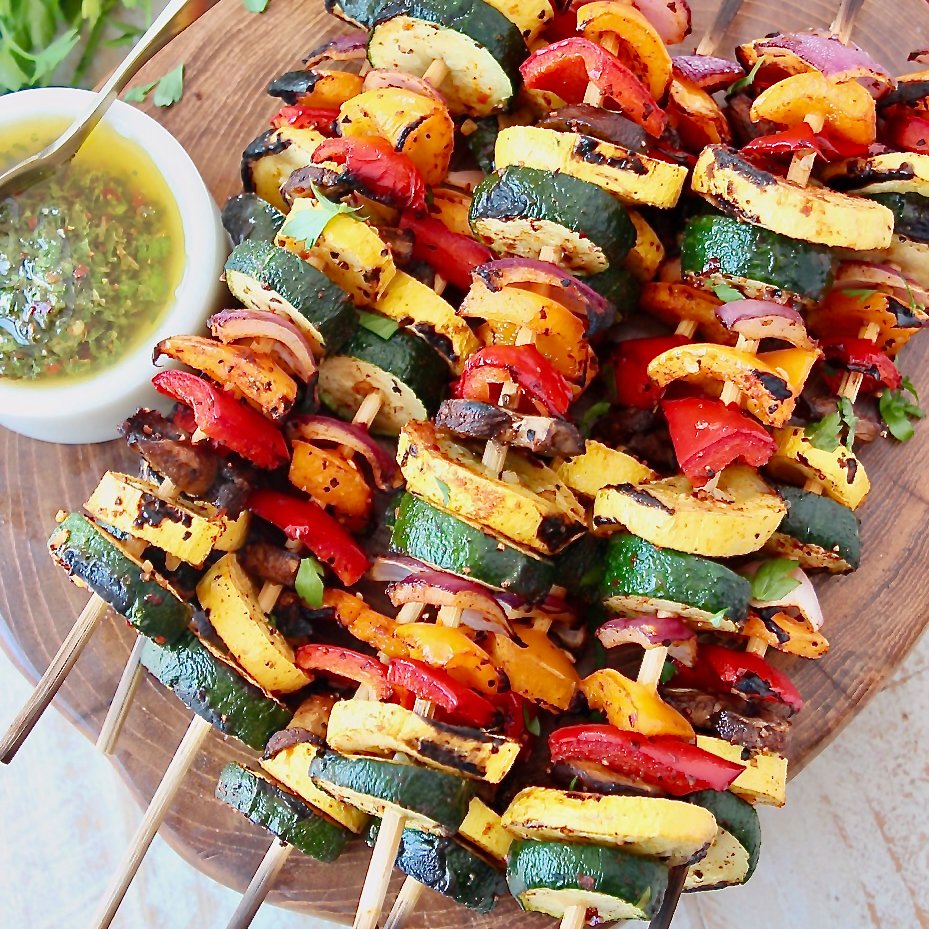
Picture this: you’re hosting a barbecue, the grill is fired up, and the aroma of sizzling skewers fills the air. You’re eager to serve a platter brimming with perfectly cooked veggies and juicy meats.
But as you peek under the lid, dread sets in—those vibrant vegetables are charred beyond recognition. Sound familiar? You’re not alone. Many people face the challenge of cooking skewers without burning the veggies. But what if you could master this art and impress your guests every time?
In this guide, you’ll discover simple, practical tips that ensure your skewers are cooked to perfection, with tender veggies and succulent meats that will have everyone coming back for more. Ready to become the grill master you’ve always wanted to be? Let’s dive in.
Choosing The Right Vegetables
Choosing the right vegetables is keyto tasty skewers. Some veggies cook faster than others. Pick ones that cook evenly to avoid burning or undercooking.
- Bell peppersare colorful and cook quickly without burning.
- Zucchinistays tender and grills well.
- Mushroomsadd a nice texture and soak up flavors.
- Cherry tomatoescook fast but can burst, so keep an eye on them.
- Onionsadd sweetness and caramelize nicely on the grill.
Cut vegetables into similar sizes for even cooking. Pieces about 1 to 1.5 inches work well. Avoid very small chunks; they burn too fast. Large pieces take longer and may stay raw inside.
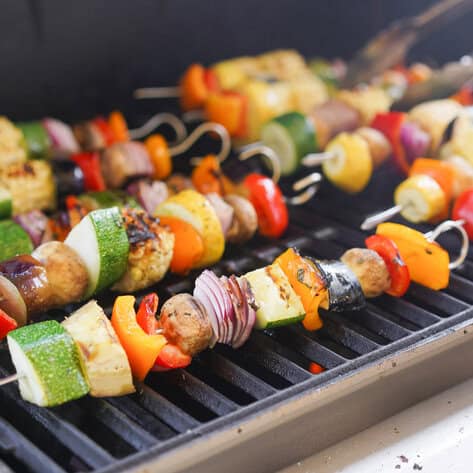
Credit: www.hungryhuy.com
Preparing Vegetables For Grilling
Marinating vegetableshelps add flavor and keeps them moist. Use simple mixtures like olive oil, lemon juice, salt, and herbs. Let veggies sit in the marinade for at least 30 minutes. This softens them and prevents burning.
Using oilon veggies and grill grates stops sticking. Brush vegetables lightly with olive or vegetable oil before grilling. Also, oil the grill bars to create a smooth surface. This helps the veggies cook evenly without tearing.
- Choose firm vegetables like bell peppers, zucchini, and mushrooms.
- Cut veggies into similar sizes for even cooking.
- Pat dry after marinating to avoid flare-ups on the grill.
Skewer Selection And Arrangement
Metal skewers heat up faster and cook food evenly. They are reusable and strong. Wooden skewers are cheap but need soaking in water before use. This stops them from burning on the grill.
Space veggies on the skewer to let heat flow. Crowding vegetables makes them cook unevenly. Leave small gaps between pieces for better heat circulation. This helps veggies cook well without burning.
| Skewer Type | Pros | Cons |
|---|---|---|
| Metal | Heats quickly, reusable, strong | Can get hot to touch |
| Wooden | Cheap, easy to find | Needs soaking, can burn |

Credit: pinchandswirl.com
Controlling Grill Temperature
Setting up two-zone cooking means creating a hot side and a cooler side on your grill. This helps cook skewers evenly. Place the coals or burners on one side only. The hot side sears meat quickly. The cooler side cooks veggies gently without burning.
Use indirect heat by moving veggie skewers to the cooler side after searing. This keeps veggies from charring. It also allows them to cook through fully. Turn skewers often to avoid hot spots. Keep the grill lid closed to keep heat steady.
- Create two zones: one hot, one cooler
- Sear meat on the hot side first
- Move veggie skewers to indirect heat
- Turn skewers regularly for even cooking
- Keep grill lid closed for steady temperature
Cooking Techniques To Avoid Burning
Turn skewers often to cook veggies evenly. This stops one side from burning. Use tongs or a spatula to flip the skewers gently. Keep a close eye on the heat. Medium heat works best for even cooking.
Different veggies cook at different speeds. Cut veggies into similar sizes for uniform cooking. Cook hard veggies like carrots and potatoes first. Add softer veggies like peppers and tomatoes later. This keeps everything from burning or getting soggy.
| Veggie Type | Cooking Time |
|---|---|
| Carrots, Potatoes | 10-15 minutes |
| Peppers, Onions | 7-10 minutes |
| Tomatoes, Zucchini | 5-7 minutes |
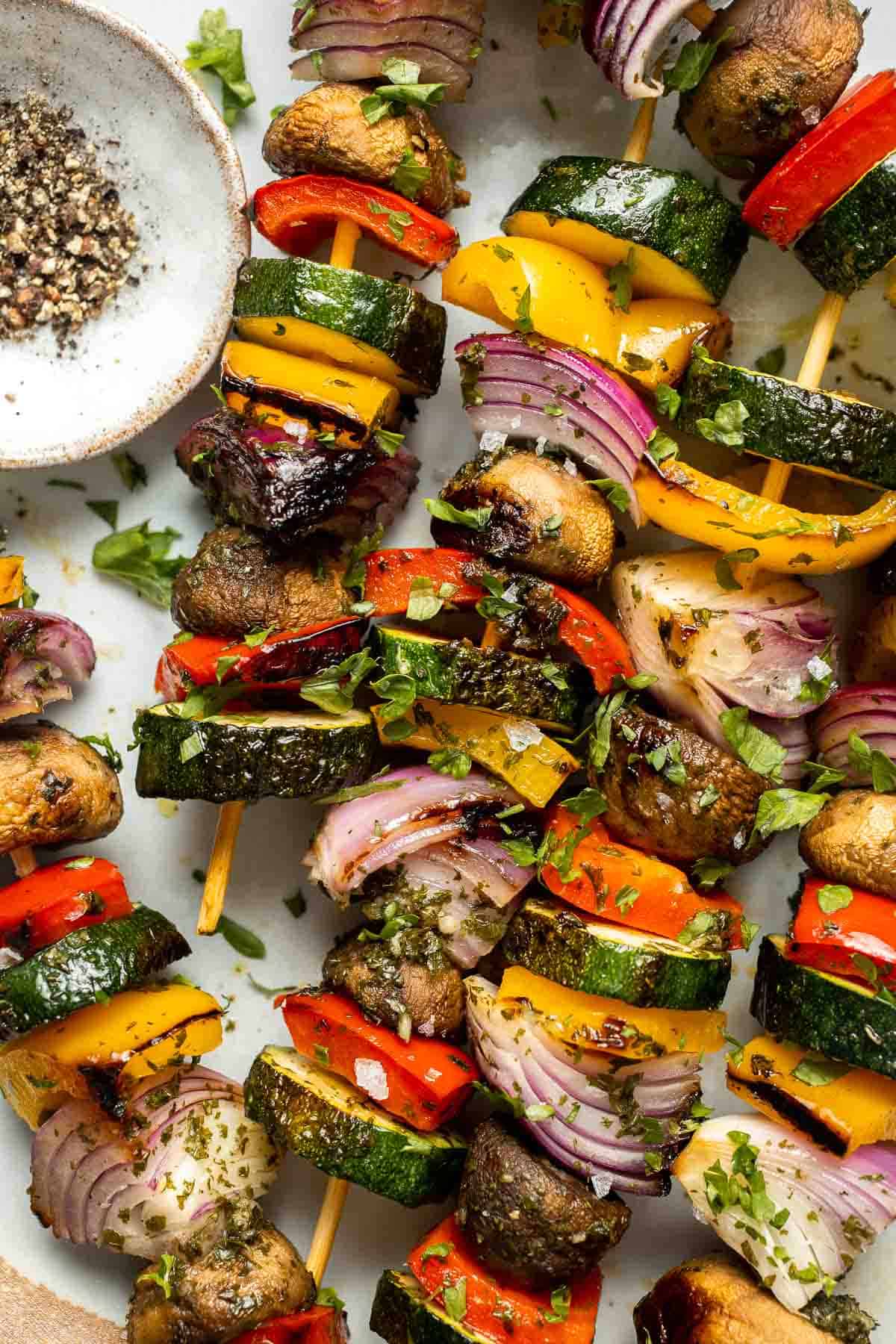
Credit: www.aheadofthyme.com
Finishing Touches And Serving
Fresh herbs like parsley, cilantro, or basil add bright flavor to skewers. Sprinkle chopped herbs over hot skewers just before serving. Sauces such as tzatziki, garlic yogurt, or spicy peanut sauce bring extra taste and moisture.
Let skewers rest for 5 minutes after cooking. This helps juices settle inside vegetables and meat. Resting keeps veggies tender and juicy, not dry or burnt.
- Sprinkle fresh herbs for color and flavor.
- Serve with cool, creamy, or spicy sauces.
- Rest skewers to keep them moist.
Frequently Asked Questions
How Can I Prevent Veggies From Burning On Skewers?
To prevent burning, soak wooden skewers in water for 30 minutes. Cook veggies on medium heat and turn frequently. Use olive oil and seasonings to protect them from direct heat.
What Veggies Are Best For Skewers Without Burning?
Choose firm veggies like bell peppers, zucchini, cherry tomatoes, and mushrooms. These vegetables hold up well on the grill and cook evenly without burning quickly.
Should I Cut Veggies Uniformly For Even Cooking?
Yes, cut veggies into similar-sized pieces. Uniform pieces cook evenly, reducing the risk of some burning while others remain undercooked. This ensures consistent texture and flavor.
Is Pre-cooking Veggies Necessary To Avoid Burning?
Pre-cooking denser veggies like potatoes or carrots slightly helps. It ensures they cook through without burning when grilled on skewers. Softer veggies usually don’t require pre-cooking.
Conclusion
Cooking skewers without burning vegetables takes patience and care. Use even-sized veggie pieces for uniform cooking. Keep the grill temperature medium to avoid charring. Turn skewers often to cook all sides evenly. Soak wooden skewers in water to prevent burning.
Watch closely near the end to stop burning. Enjoy colorful, tasty skewers with perfectly cooked veggies. Simple steps lead to delicious, healthy meals every time. Try these tips on your next grilling day!