
Are you tired of guessing if your meat is cooked just right? You’re not alone.
Getting the perfect temperature can be tricky, and overcooking or undercooking can ruin a great meal. That’s where wireless meat thermometers come in. But can you really trust their accuracy? This question matters because your food’s safety and taste depend on it.
Keep reading to discover how reliable these gadgets are and what you need to know before using one for your next cookout. Your best meal yet might be just a few clicks away.
Credit: www.homedepot.com
How Wireless Meat Thermometers Work
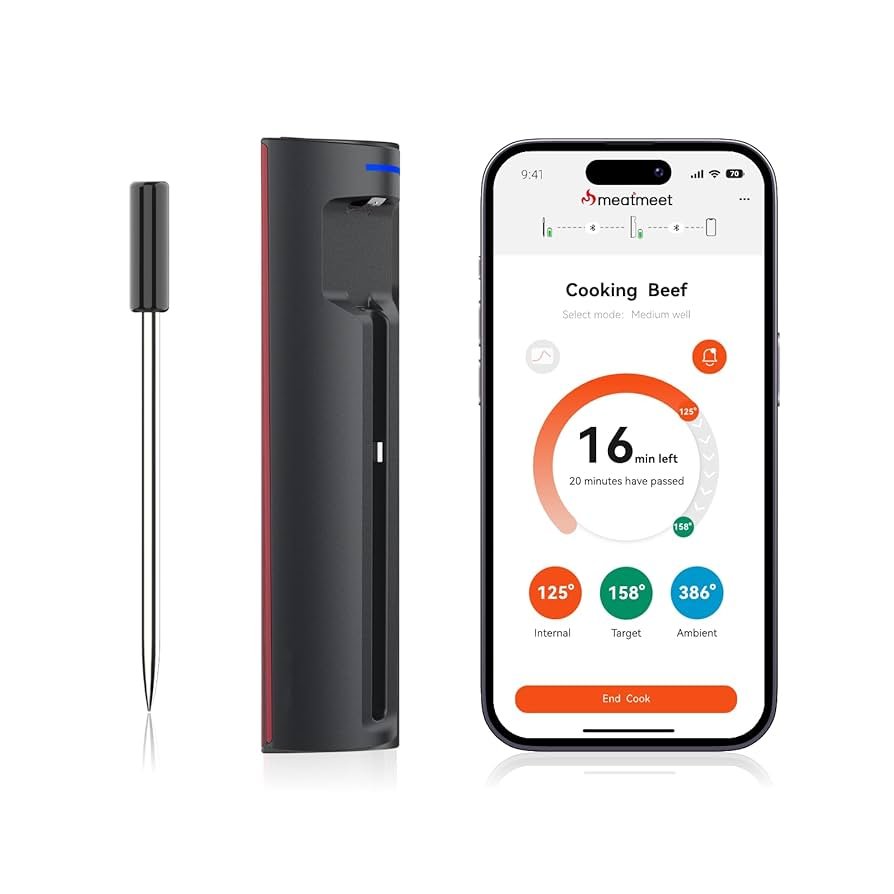
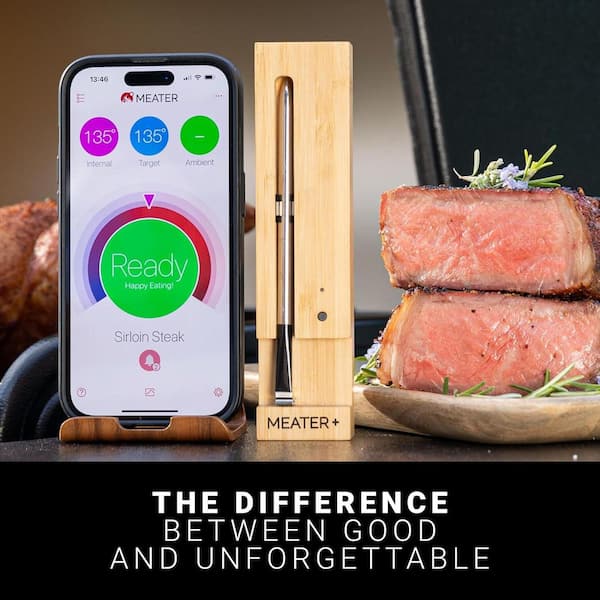
Wireless meat thermometers use sensorsplaced inside the meat to measure temperature. These sensors send data through radio wavesor Bluetoothto a receiver or smartphone app. This allows you to check the meat’s temperature without opening the oven. The sensors work by detecting the heat and sending signals in real time, giving you accurate and quickreadings.
The technology behind wireless sensorsinvolves small probes that are heat-resistant and safe for cooking. They convert heat into electrical signals. These signals travel wirelessly to your phone or display device. Some models use Bluetooth, while others use Wi-Fior RF (radio frequency). This helps you monitor cooking from a distance.
- Single probe thermometers: Measure one spot inside the meat.
- Dual or multi-probe thermometers: Track several parts or multiple meats at once.
- Oven-safe probes: Stay in the meat while cooking.
- Instant-read thermometers: Give quick readings but need to be inserted each time.
:max_bytes(150000):strip_icc()/meatstick-v-wireless-meat-thermometer-28ec1d6d4b9a4cb297927920a0346956.jpg)
Credit: www.thespruceeats.com
Accuracy Factors
Sensor placementaffects the accuracy of wireless meat thermometers. The sensor must be in the thickest part of the meat, away from bones. Incorrect placement can cause false readings.
Calibrationensures the thermometer shows the correct temperature. Some devices allow manual calibration. Regular checks help maintain accuracy.
Environmental factors like ambient temperatureand humiditycan impact readings. Strong winds or direct sunlight may also affect the device’s performance.
The qualityof the thermometer and the brandreliability matter. Trusted brands usually offer better sensors and more consistent results. Cheaper models might give less accurate data.
Comparing Wireless And Traditional Thermometers
Wireless meat thermometersoften take a few seconds longer to show the temperature. Traditional thermometers give instant readings. This difference matters when cooking delicate meats.
Both types usually give consistent measurements. Traditional thermometers rely on direct contact. Wireless ones send data through signals. Sometimes, signals can be weak, affecting accuracy slightly.
- Wireless thermometersallow you to monitor from a distance.
- Traditional thermometers need you to check them often.
- Wireless models can have limited battery life.
- Traditional thermometers do not need batteries.
Common Myths About Wireless Thermometers
Signal interferenceis often thought to reduce wireless thermometer accuracy. Walls, other devices, and metal objects can slow signals but usually do not cause wrong temperature readings. Most wireless meat thermometers use strong signals that pass through common kitchen materials. Keeping the receiver close can help avoid delays.
Battery life sometimes worries users about accuracy. Low batteries may cause the thermometer to turn off or lose connection. They rarely affect the temperature reading itself. Changing batteries regularly ensures the device works well and gives correct results.
Tips To Improve Measurement Accuracy
Keep your wireless meat thermometer clean. Wipe the probe with warm, soapy water after each use. Avoid letting moisture enter the device’s electronic parts. Store the thermometer in a dry place to protect it from damage and dust.
Insert the probe fully into the meat to get the most accurate reading. Avoid touching bones or fat, as they can give false temperature results. Use the thermometer in the middle of the thickest part of the meat for best results.
| Calibration Method | Description |
|---|---|
| Ice Water Test | Place the probe in ice water. It should read 32°F (0°C). Adjust if needed. |
| Boiling Water Test | Place the probe in boiling water. It should read 212°F (100°C). Adjust if needed. |
| Regular Checks | Test the thermometer before each use to ensure accuracy. |

Credit: www.amazon.com
Popular Wireless Meat Thermometer Models
Many wireless meat thermometers offer accurate readings for cooking.
Top-rated models often feature strong signals and fast updates.
- ThermoPro TP25: Known for reliable temperature tracking.
- MEATER Plus: Provides wireless range up to 165 feet.
- Inkbird IBT-4XS: Affordable with dual probes for different meats.
Budget-friendly choices still give decent accuracy and easy use.
- Keenstone Wireless Thermometer: Simple app and good battery life.
- Govee Wireless Meat Thermometer: Affordable with good alerts.
| Model | Range | Probes | Price |
|---|---|---|---|
| ThermoPro TP25 | 300 ft | 2 | $$ |
| MEATER Plus | 165 ft | 1 | $$$ |
| Inkbird IBT-4XS | 150 ft | 4 | $ |
| Keenstone | 150 ft | 2 | $ |
| Govee | 196 ft | 2 | $ |
Frequently Asked Questions
Are Wireless Meat Thermometers Reliable For Cooking?
Yes, wireless meat thermometers are reliable when calibrated correctly. They provide real-time temperature updates and help avoid undercooking or overcooking meat.
How Accurate Are Wireless Meat Thermometers Compared To Wired Ones?
Wireless thermometers offer similar accuracy to wired models if used properly. Both types use precise sensors for consistent temperature readings.
Can Wireless Meat Thermometers Measure Internal Meat Temperature Precisely?
Yes, wireless thermometers measure internal meat temperature accurately. Proper probe placement inside the thickest part ensures precise results.
Do Wireless Meat Thermometers Have Any Signal Issues?
Some wireless thermometers may experience signal loss in large kitchens or obstructed areas. Choosing models with strong Bluetooth or Wi-Fi helps reduce this.
Conclusion
Wireless meat thermometers generally provide accurate readings. They make cooking easier and more precise. You can rely on them for consistent results. Yet, always check product reviews before buying. Different brands offer varying accuracy levels. Calibration is key to ensure precision.
Follow instructions carefully. This helps maintain your thermometer’s accuracy. Regularly test your device for best results. Remember, practice makes perfect. With experience, you’ll trust your thermometer more. Cooking becomes less stressful and more enjoyable. Enjoy perfectly cooked meals every time.