
If you want perfectly cooked pork tenderloin every time, knowing how to insert a probe correctly is key. You might think it’s just about poking the meat, but where and how you place the probe can make all the difference between juicy, tender pork and dry, overcooked meat.
You’ll learn simple, clear steps to insert your probe the right way—so you can take the guesswork out of cooking and impress everyone at the table. Ready to master this essential skill? Keep reading and get ready to cook pork tenderloin like a pro.
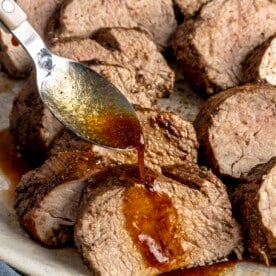
Credit: fedandfit.com
Choosing The Right Probe
Choosing the right probeis key to cooking pork tenderloin well. There are several types of meat thermometersto consider.
| Type | Description | Best For |
|---|---|---|
| Instant-Read | Quick temperature read, handheld device. | Checking temperature fast. |
| Probe Thermometer | Left in meat while cooking, shows real-time temp. | Oven or grill cooking. |
| Digital Thermometer | Easy to read, often with alarms. | Precision and ease of use. |
| Dial Thermometer | Analog, no batteries needed. | Simple, reliable use. |
Look for accuracy, speed, and ease of use. A probe that can stay in the meat during cooking is best. Also, check if it is easy to cleanand durable. Wireless probes add convenience but may cost more.
Preparing The Pork Tenderloin
Trim the pork tenderloin by removing excess fat and silver skin. This helps the meat cook evenly and taste better.
Season the tenderloin with salt, pepper, and your favorite spices. Use a light hand to keep the flavors balanced.
Brining the pork tenderloin in a saltwater solution makes it juicy and tender. Soak for 30 minutes to 2 hours.
Use a simple brine:
| Ingredient | Amount |
|---|---|
| Water | 4 cups |
| Salt | 1/4 cup |
| Sugar (optional) | 2 tablespoons |
Rinse the tenderloin after brining to remove extra salt. Pat dry before seasoning.
Inserting The Probe Correctly
Insert the probe into the thickest part of the pork tenderloin. This area cooks evenly and gives the best temperature reading. Avoid pushing the probe too close to the edges.
Finding the right spot is important. The probe should go deep enoughto reach the center but not pierce through the meat.
Bone and fatcan give false temperature readings. Steer clear of these parts for accurate results. The probe should only touch the lean meat.
- Locate the thickest part of the tenderloin
- Avoid bones by feeling with your fingers
- Stay away from fat layers
- Insert probe straight into the center
Cooking Techniques For Tenderloin
Insert the probe into the thickest part of the pork tenderloin. Avoid touching any bones or fat. This helps get an accurate temperature reading.
For oven roasting, preheat the oven to 400°F (200°C). Place the tenderloin on a baking tray. Insert the probe before placing it inside the oven. Set the probe to 145°F (63°C) for medium doneness. The oven will turn off or alert you when the meat reaches this temperature.
Grilling with a probe requires direct heat control. Insert the probe in the center of the tenderloin. Keep the grill lid closed to keep the temperature steady. Turn the meat occasionally for even cooking. Use the probe’s alert to avoid overcooking.
Monitoring Temperature For Juicy Results
Use a meat thermometer probe to check the internal temperature. Insert the probe into the thickest partof the pork tenderloin. Avoid touching bone or fat for accurate readings.
| Doneness | Target Internal Temperature |
|---|---|
| Medium Rare | 145°F (63°C) |
| Medium | 160°F (71°C) |
| Well Done | 170°F (77°C) |
Set alerts or timers on your thermometer or phone. This helps avoid overcooking. Stay close and check often to get the best results.
Resting And Serving The Tenderloin
Resting allows the juices to spread inside the pork. This keeps the meat moist and tender. Cutting too soon makes the juices run out. That can leave the pork dry. Let the tenderloin rest for about 5 to 10 minutes. Cover it loosely with foil to keep warm.
Slicing across the grain helps make the pork easier to chew. The grain means the direction the meat fibers run. Cut thin slicesagainst these fibers. This makes the pork feel softer in your mouth. Use a sharp knife to get clean cuts. Serve immediately after slicing for best taste.
Troubleshooting Common Issues
Probe reading inconsistenciesoften happen due to wrong placement. The probe should be in the thickest part of the pork tenderloin. Avoid touching bones or fat, as it can give false readings. Make sure the probe is inserted deeply enough but not all the way through the meat.
Overcooked or undercooked meat fixesdepend on cooking time and temperature. For undercooked pork, return it to the oven or grill and check often. For overcooked pork, try slicing it thin and serving with a sauce to add moisture. Let the meat rest after cooking; this helps juices spread evenly and improves taste.
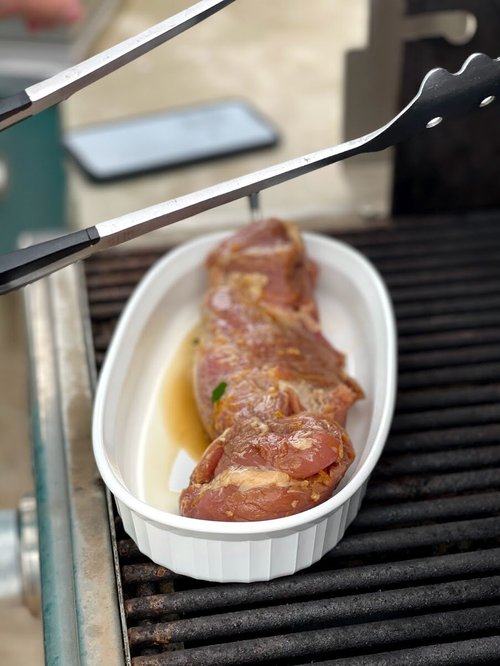
Credit: www.tastesandtreks.com

Credit: butcherbbq.com
Frequently Asked Questions
How Do I Insert A Probe Into Pork Tenderloin?
Insert the probe into the thickest part of the tenderloin. Avoid touching bone or fat for accurate readings. This ensures even cooking and prevents under or overcooking.
What Is The Best Angle To Insert A Meat Probe?
Insert the probe at a 45-degree angle into the pork tenderloin. This helps the probe stay securely in place and gives precise temperature readings during cooking.
How Deep Should The Probe Go In Pork Tenderloin?
Push the probe about halfway through the thickest section of the tenderloin. This depth measures the internal temperature accurately without piercing through the other side.
Can I Insert The Probe Before Cooking Pork Tenderloin?
Yes, insert the probe before cooking to monitor temperature continuously. This helps avoid overcooking and ensures the pork reaches the safe internal temperature of 145°F.
Conclusion
Inserting a probe in pork tenderloin is quite simple. Follow these steps for the best results. Begin by choosing the right probe. Insert it into the thickest part of the meat. Ensure it’s not touching bone or fat. This helps in getting an accurate reading.
Cook until the desired temperature is reached. Doing this ensures juicy, perfectly cooked pork. Always let it rest before serving. This locks in the flavors. Enjoy your delicious meal!