

Your enamel cast iron skillet is more than just a cooking tool—it’s an investment in delicious meals and lasting quality. But if you’re not careful, scratches can damage its smooth surface, making it harder to clean and less effective over time.
You want your skillet to stay beautiful and functional for years, right? You’ll discover simple, practical tips to protect your skillet from scratches. Keep reading to learn how small changes in your care routine can make a big difference in preserving your favorite kitchen companion.
Choosing The Right Utensils
Choose utensils made from wood, silicone, or nylon. These materials are gentleon your enamel surface and help prevent scratches. Wooden spoons and spatulas are durableand safe for cooking.
Avoid using metal tools like forks, knives, or metal spatulas. They can easily scratchand damagethe enamel coating. Even steel wool or abrasive scrubbers should not be used during cooking.
| Best Materials | Utensils to Avoid |
|---|---|
| Wood | Metal forks |
| Silicone | Metal knives |
| Nylon | Metal spatulas |

Credit: www.procook.co.uk
Proper Cleaning Techniques
Always use gentle cleaning methodsto protect your enamel cast iron skillet. Avoid abrasive cleanerslike steel wool or harsh scrubbers. These can scratch the enamel surfaceand cause damage.
Use soft sponges or brushesfor cleaning. A non-abrasive spongehelps remove food without harming the enamel. Soft brushes work well to clean stuck bits without scratching.
For tough stains, soak the skillet in warm soapy water for a few minutes. This loosens food and makes cleaning easier. Rinse thoroughly and dry with a soft cloth to prevent rust.
Cooking Practices To Protect Enamel
Use medium or low heat to protect the enamel coating. High heat can cause cracks or chips. Always heat the skillet gradually, letting it warm up slowly.
Never place a hot skillet into cold water. This thermal shockcan damage the enamel. Let the skillet cool down naturallybefore cleaning.
- Start cooking on low heat and raise it if needed.
- Avoid sudden temperature changes to keep the enamel intact.
- Use a burner size that matches the skillet base.
- Do not preheat the empty skillet for too long.

Credit: www.reddit.com
Storage Tips To Prevent Damage
Stacking cast iron skillets without protection can cause scratcheson the enamel surface. Use protective linerslike paper towels, cloth, or felt pads between pans. This creates a soft barrier to prevent metal-on-metal contact.
Keep skillets in a dry place to avoid rust. Avoid piling heavy items on top. Instead, stack skillets with the largest at the bottom and smallest on top for better stability.
- Place a soft liner between each skillet
- Store skillets vertically if space allows
- Use a pan rack or hook for hanging
| Storage Method | Benefits | Notes |
|---|---|---|
| Protective liners | Prevents scratches and chips | Use soft cloth or paper towels |
| Vertical storage | Reduces stacking pressure | Use a pan rack or divider |
| Hanging | Keeps skillets separate and dry | Requires wall hooks or rack |
Repairing Minor Scratches
Minor scratches on an enamel cast iron skillet can often be fixed at home. Use a soft cloth and mild dish soap to clean the area gently. For light scratches, rubbing a small amount of baking soda paste can help smooth the surface. Rinse and dry thoroughly afterward.
Another option is to apply a thin layer of vegetable oil to the scratched area. This can reduce the appearance of scratches and protect the enamel from further damage. Avoid using abrasive cleaners or steel wool, as they can worsen the scratches.
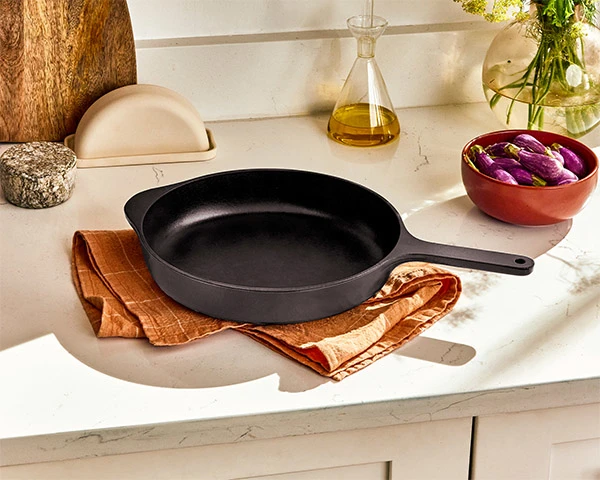
Deep or large scratches might need professional help. Look for a cookware repair specialist who can restore the enamel coating safely. Do not try to repair severe damage yourself, as it may cause more harm or affect cooking performance.
Credit: www.carawayhome.com
Common Mistakes To Avoid
Metal scrubberscan scratch the enamel surface. Use soft sponges or cloths instead. Scrubbing gently keeps the skillet smooth and safe.
Never dropor bangthe skillet. Enamel chips easily from strong impacts. Handle it with care to avoid cracks or damage.
Frequently Asked Questions
How Can I Prevent Scratches On Enamel Cast Iron Skillets?
Use wooden, silicone, or nylon utensils instead of metal ones. Avoid abrasive scrubbers and harsh cleaners. Hand wash gently with a soft sponge and mild detergent to protect the enamel surface.
What Cleaning Methods Avoid Damaging Enamel Surfaces?
Clean with warm water and mild dish soap. Avoid steel wool or abrasive pads. Use a soft brush or sponge to remove food residue without scratching the enamel coating.
Can Metal Utensils Scratch An Enamel Cast Iron Skillet?
Yes, metal utensils can cause scratches. They may chip or damage the enamel over time. Always opt for non-metal tools to maintain your skillet’s smooth surface.
Is It Safe To Use Dishwasher For Enamel Cast Iron?
It’s best to avoid dishwashers. Harsh detergents and high heat can damage the enamel coating. Hand washing preserves the skillet’s finish and extends its lifespan.
Conclusion
Caring for your enamel cast iron skillet is simple. Handle it gently. Use wooden or silicone utensils. Avoid metal ones. Wash with soft sponges. This prevents scratches. Store it carefully. Keep it clean and dry. These steps extend its life.
Enjoy cooking without worry. Your skillet stays beautiful. It serves you well for years. Happy cooking!