

Are you thinking about firing up your propane grill but wondering if it’s truly safe? You’re not alone.
Grilling with propane is popular, but safety concerns often hold people back. What if you could enjoy delicious meals without worrying about accidents or hazards? This article will clear up the facts, so you can grill confidently and keep your family safe.
Keep reading to discover simple tips and essential safety checks that make propane grilling both fun and secure. Your next cookout could be safer than you think!
Propane Grill Safety Basics
Propane grills use liquid propane gasstored in a tank. The gas flows through a hose to burners. When lit, the burners create flames that heat the grill. A control knob adjusts the flame size and heat level. The grill’s metal parts hold and cook food.
Using propane grills can be safeif handled properly. Always check for leaks before use. Keep the grill in a well-ventilatedoutdoor area. Never use propane grills indoors or in closed spaces.
| Common Risks | How to Avoid |
|---|---|
| Gas leaks causing fire or explosion | Check hoses and connections regularly for leaks |
| Burns from hot surfaces or flames | Use grill tools and wear heat-resistant gloves |
| Carbon monoxide buildup | Only use grills outdoors with good airflow |
| Improper lighting causing flare-ups | Follow lighting instructions carefully and keep lid open |
Inspecting Your Grill
Check your propane grill for gas leaksbefore use. Use a mix of water and soap to spot leaks. Apply this soapy water to hoses and connections. Bubbles show where gas is escaping. Never use a flame to check for leaks.
Inspect the hoses and connectionscarefully. Look for cracks, holes, or wear that can cause leaks. Replace any damaged parts immediately. Make sure all connections are tight and secure. A loose connection can be dangerous.
| Inspection Task | What to Look For | Action |
|---|---|---|
| Gas Leak Test | Bubbles on soapy water | Fix leaks, do not use grill if leaking |
| Hoses | Cracks, holes, wear | Replace damaged hoses |
| Connections | Loose fittings | Tighten securely |
Safe Grill Setup
Choose a flat, stable surface for your propane grill. Keep it away from walls, trees, and anything that can catch fire. A clear area helps prevent accidents and allows easy movement around the grill.
Good airflow is key. Use the grill outdoors in open spaces. Avoid grilling in enclosed areas like garages or tents. Proper ventilation stops gas from building up, which can cause dangerous situations.
- Place the grill at least 10 feet from your house or any structure.
- Keep the propane tank upright and on a level surface.
- Do not block the grill’s vents; air must flow freely.
- Check for strong winds that could blow flames or heat.
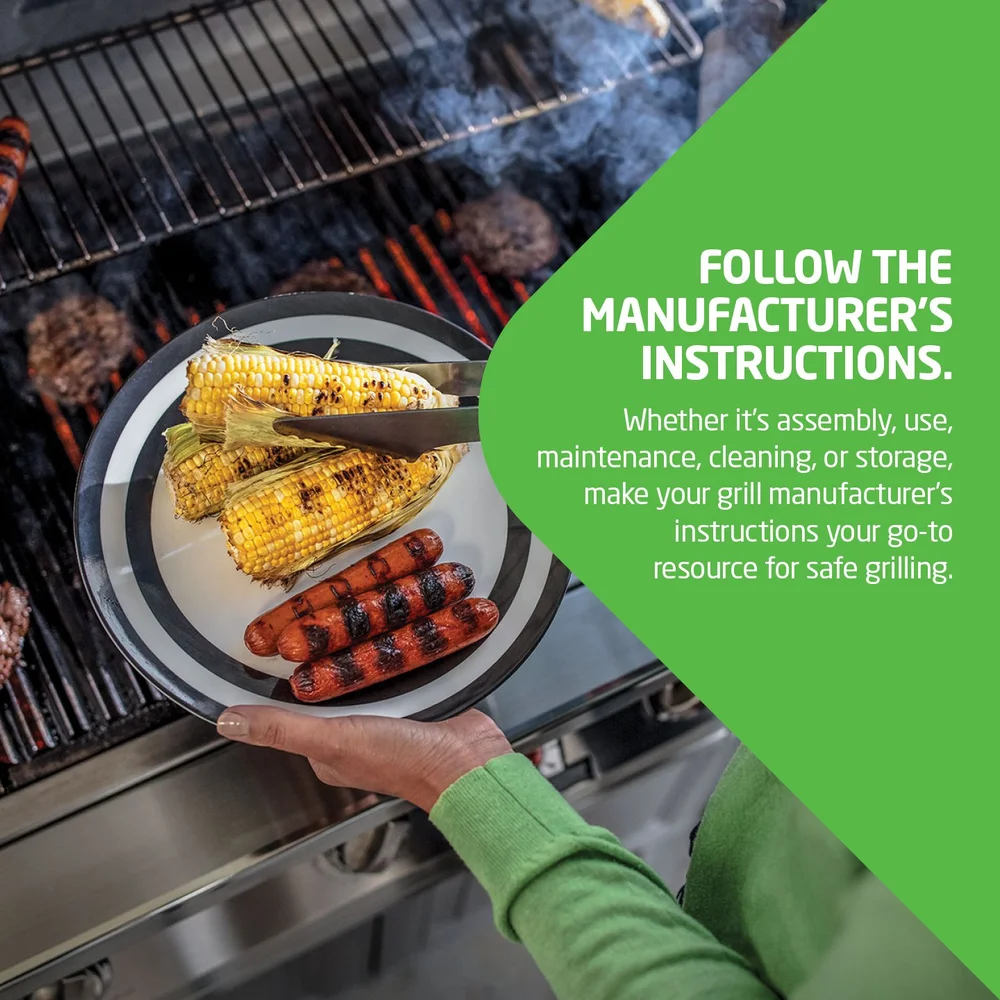
Credit: propanect.com
Operating Your Propane Grill
Before lighting, check all propane connections for leaks. Use soapy water to spot bubbles.
Open the grill lid to prevent gas buildup. Turn the gas on slowly.
Press the ignition button or use a long lighter. Keep your face away from burners.
If the grill does not light quickly, turn off the gas and wait a few minutes. Try again safely.
- Adjust flame height with control knobs. Flames should be blue with small yellow tips.
- Too high flames cause flare-ups and burn food. Keep the heat moderate for best results.
- Close the lid to keep heat steady and cook food evenly.
Maintenance And Storage
Proper maintenance and storage keep propane grills safe and ready to use. Always check for leaks and store tanks in a cool, ventilated area. Regular cleaning prevents buildup that can cause fires or malfunctions.
Cleaning After Use
Clean the grill gratesafter every use to remove grease and food bits. Use a wire brush or scraper while the grill is warm but not hot. Wipe the exterior with a damp cloth to avoid rust. Empty the drip panregularly to prevent flare-ups. Check burners for blockages and clean holes with a toothpick or small wire. Keep the grill covered to protect it from dirt and weather.
Safe Propane Tank Storage
- Store propane tanks outsidein a well-ventilated area.
- Keep tanks uprightto avoid leaks.
- Never store tanks indoorsor near heat sources.
- Check tanks for rust or damagebefore use.
- Close the valve tightly after grilling.
- Keep tanks away from children and pets.

Credit: phvfd227.com
Emergency Preparedness
Gas leakscan be very dangerous. Always check hoses and connections before grilling. If you smell gas, do not light the grill. Close the propane tank valve immediately and move away from the grill. Avoid using any flames or switches. Call for help if the leak persists.
- Keep a fire extinguisher nearby. Class B or multipurpose types are best.
- Never leave the grill unattended during use.
- Grill outdoors in a well-ventilated area only.
- Keep children and pets away from the grill zone.
- Know how to turn off the propane supply quickly.
Enhancing Bbq Safety
Using grill coversprotects your propane grill from dust and rain. Always have a fire extinguishernearby for emergencies. A gas leak detectorhelps find leaks early. Use heat-resistant gloves to avoid burns. A sturdy grill mat can prevent grease fires and keep your area clean.
Teach family and guests about grill safety rules. Keep children and pets away from the grill. Show how to turn the grill on and off safely. Explain the importance of not touching hot surfaces. Remind everyone to watch for flare-ups and stay alert around the grill.

Credit: thunder1320.com
Frequently Asked Questions
Is Propane Grilling Safe For Home Use?
Yes, propane grilling is safe when used properly. Always check for gas leaks and keep the grill clean. Follow manufacturer instructions and never leave the grill unattended while in use.
What Are Common Propane Grill Safety Tips?
Inspect hoses for cracks, keep a fire extinguisher nearby, and grill outdoors. Avoid using grills indoors or in enclosed spaces to prevent carbon monoxide buildup.
Can Propane Grills Cause Carbon Monoxide Poisoning?
Yes, if used indoors or in poorly ventilated areas. Always use propane grills outside to ensure proper ventilation and avoid dangerous carbon monoxide exposure.
How To Detect Propane Gas Leaks On Grills?
Apply soapy water to connections and look for bubbles. If bubbles appear, there’s a leak. Turn off the gas and repair the leak before grilling.
Conclusion
Propane grilling offers a safe and enjoyable way to cook outdoors. By following safety guidelines, you can prevent accidents and enjoy grilling. Regularly check your equipment for leaks or damage. Keep the grill clean to avoid flare-ups. Always grill in a well-ventilated area.
Never leave the grill unattended while it’s on. These simple steps ensure safety and fun for everyone. Remember to store propane tanks correctly. Safety first means peace of mind. Enjoy delicious meals with confidence. Propane grilling can be safe and rewarding.
Happy grilling!