
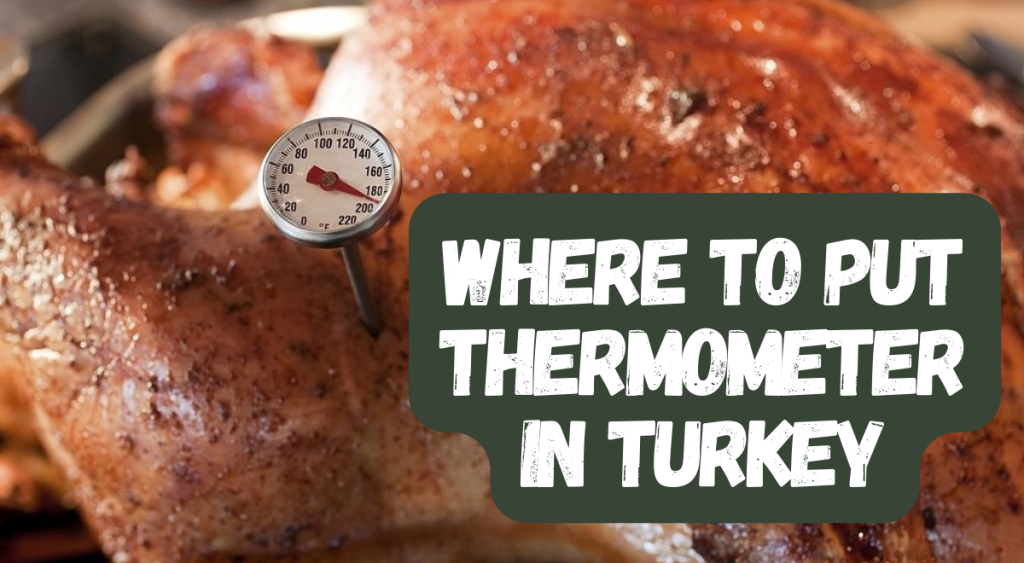
If you’ve ever cooked a whole chicken, you know how tricky it can be to get it perfectly juicy and safe to eat. The secret?
Using a probe thermometer the right way. But how exactly do you insert a probe in a whole chicken without ruining your meal or getting inaccurate readings? You’ll discover simple, step-by-step tips that make the process easy and foolproof. By the end, you’ll feel confident checking your chicken’s temperature like a pro, ensuring every bite is tender and delicious.
Keep reading—you’re about to master a kitchen skill that will change the way you cook chicken forever.
Choosing The Right Probe
Choosing the right probeensures your chicken cooks perfectly. Different probes suit different cooking styles. Some measure the temperature inside the chicken, while others check the heat outside.
- Instant-read probesgive quick temperature readings in seconds.
- Leave-in probesstay inside the chicken during cooking.
- Wireless probessend temperature data to your phone or device.
Look for probes with these features:
- Accuracy:Gives correct temperatures to avoid under or overcooking.
- Durability:Can handle high oven heat without damage.
- Ease of use:Simple to insert and read.
- Fast response:Displays temperature quickly for better control.

Credit: easychickenrecipes.com
Preparing The Chicken
Insert the probe into the thickest part of the chicken’s breast or thigh. Avoid touching bone to get an accurate temperature. Ensure the tip is centered for the best reading.
Cleaning And Patting Dry
Rinse the whole chicken under cold water. Make sure to remove any leftover feathers or giblets from inside. Use paper towels to pat the chicken dry. This step helps the skin get crispy when cooking. Dry skin also makes the seasoning stick better.
Seasoning Tips
- Use salt and pepper inside and outside the chicken.
- Add garlic powder or onion powder for extra flavor.
- Rub olive oil or melted butter on the skin to keep it moist.
- Place herbs like rosemary or thyme inside the cavity for aroma.
- Let the chicken rest for 10 minutes after seasoning to absorb flavors.
Selecting The Probe Insertion Point
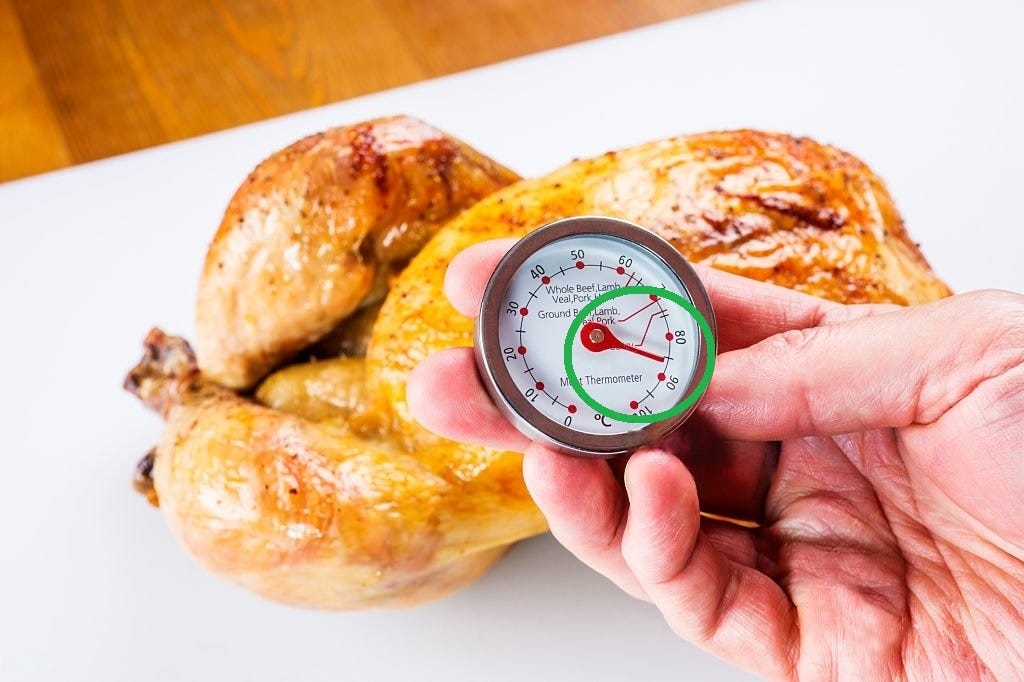
The best place to insert the probe is the thickest part of the chicken. This is usually the breast or the inner thigh. Avoid touching bones because they can give a false high reading. Also, steer clear of fat, which heats faster than meat.
Insert the probe deep enough to reach the center of the meat. This ensures you get the true temperature inside. The center is the last part to cook fully.
- Avoid bones:They heat quickly and mislead the thermometer.
- Stay away from fat:Fat warms faster than meat.
- Probe depth:Insert deep into the thickest part.
- Check center temperature:This shows if the chicken is fully cooked.
Credit: medium.com
Inserting The Probe Correctly
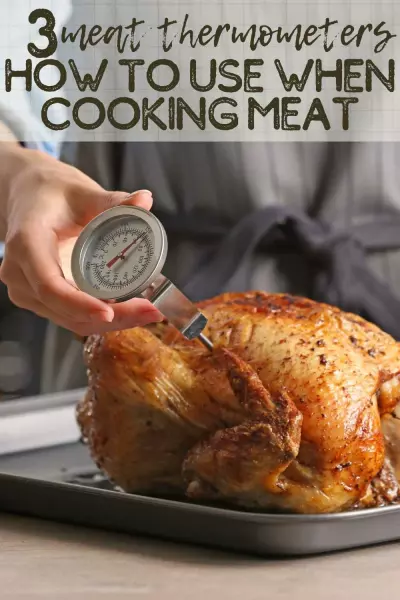
Insert the probe into the thickest part of the chicken. Usually, this is the breast or the thigh. Make sure the tip is in the center of the meat, not touching bone or the cavity. This gives the most accurate reading of the internal temperature.
Push the probe straight in to avoid bending it. A bent probe can give false temperature readings. Hold the chicken steady while inserting the probe carefully.
- Check the probe position before cooking.
- Secure the wire with a clip or tuck it under the chicken skin.
- Keep the probe wire away from heat sources like burners or flames.
- Make sure the probe stays in place during cooking to avoid errors.
Monitoring The Temperature
For safe and tasty chicken, the internal temperaturemust be right. The ideal temperaturefor whole chicken is 165°F (74°C). This ensures the meat is fully cooked and safe to eat. Insert the probe into the thickest part, usually the thigh, avoiding bones.
Wireless probeslet you check temperature without opening the oven. They send info to your phone or device. Wired probesconnect directly to a thermometer outside the oven. Both types help track heat to prevent overcooking.
| Temperature | Meaning |
|---|---|
| 140°F (60°C) | Rare, not safe |
| 165°F (74°C) | Safe, juicy chicken |
| 175°F (80°C) | Well done, less juicy |
Tips For Even Cooking
To get even cooking, rotate the chicken during roasting. This helps heat reach all parts.
- Turn the chicken every 20 minutes for best results.
- Use tongs or a fork gently to avoid tearing the skin.
- Check the probe placement after rotating to ensure accurate temperature.
Resting the chicken after cooking is very important. Let it sit for 10-15 minutes.
This allows juices to spread evenlyinside. The chicken becomes juicier and tastier.
Use a covered plate or foil to keep it warm while resting.
Credit: www.thatorganicmom.com
Frequently Asked Questions
How Do You Insert A Probe In A Whole Chicken?
Insert the probe into the thickest part of the chicken breast, avoiding bone. This ensures accurate temperature readings for safe cooking.
Where Is The Best Spot To Place A Meat Thermometer?
Place the thermometer in the thickest part of the breast or thigh. Avoid touching bone or stuffing for precise temperature measurement.
How Deep Should The Probe Go Into The Chicken?
Insert the probe at least 2 inches deep into the meat. It must reach the center of the thickest part for accuracy.
Can I Leave The Probe In While Cooking?
Yes, leave the probe in during cooking. It allows you to monitor internal temperature without opening the oven.
Conclusion
Inserting a probe in a whole chicken is simple and essential. This ensures even cooking and delicious results. First, choose a quality meat thermometer. Insert it in the thickest part. Avoid touching bones, as they alter readings. Check the temperature regularly.
Aim for 165°F for safety. This guarantees juicy and flavorful chicken every time. Practice makes perfect. With time, you’ll gain confidence. Enjoy your perfectly cooked chicken with family and friends. It’s not just about cooking; it’s about making meals memorable.
Share your cooking tips and experiences. Happy cooking!