

You want to cook meat perfectly every time, but an uncalibrated meat thermometer can lead to overcooked or undercooked meals. How can you be sure your thermometer is giving you the right temperature?
Calibrating your meat thermometer is the simple step that ensures accuracy and saves your food from being ruined. You’ll learn exactly how to calibrate your meat thermometer quickly and easily, so you can enjoy juicy, safe-to-eat meat with confidence every time.
Keep reading and take control of your cooking!
Why Calibrate Your Meat Thermometer
Accurate temperatureis key for safe and tasty meat. A meat thermometer that is off by even a few degrees can cause undercooked or overcooked food. Calibratingthe thermometer ensures it shows the true temperature inside the meat.
Proper calibration helps avoid foodborne illness by confirming meat reaches the right temperature. It also keeps meat juicy and flavorful by preventing overcooking.
- Using a damaged or dirty thermometer can cause wrong readings.
- Not checking calibration regularly may lead to errors over time.
- Ignoring the manufacturer’s instructions can affect accuracy.

Credit: www.marketmanila.com
Tools Needed For Calibration
For the Ice Water Method, gather these supplies:
- Clean container or glass
- Crushed ice
- Cold water
- Meat thermometer
- Stirrer or spoon
Fill the container with ice and add cold water. Stir to make a cold mixture. Insert the thermometer to check if it reads 32°F (0°C).
For the Boiling Water Method, you will need:
- Pot or kettle
- Water
- Meat thermometer
- Heat source (stove or burner)
- Tongs or heat-proof gloves
Boil the water. Carefully place the thermometer in the boiling water. It should read 212°F (100°C) at sea level.
Calibrating With Ice Water
Fill a glass with cold water and add plenty of ice cubes. Let it sit for a few minutes to reach 32°F (0°C). This creates a perfect ice bathfor calibration.
Insert the thermometer’s probe into the ice bath. Make sure it does not touch the glass sides or bottom. Wait until the reading stops changing.
The thermometer should read 32°F (0°C). If it shows a different number, adjust it to match this temperature. Some thermometers have a small nut or screw for this purpose.
If your thermometer does not have an adjustment screw, note the difference and remember to add or subtract it from future readings. Regular calibration keeps your thermometer accurate and reliable.
Calibrating With Boiling Water
Fill a pot with fresh water and bring it to a rolling boil. Use a deep pot so the thermometer can be fully submerged. Avoid touching the pot’s sides or bottom with the probe.
Insert the thermometer’s probe into the boiling water. Wait for the reading to stabilize. The correct temperature should be 212°F (100°C)at sea level.
If the thermometer shows a different number, adjust it. Many thermometers have a small nut or screw near the dial. Turn it gently until the dial reads 212°F (100°C)in boiling water.
Digital Vs Analog Thermometers
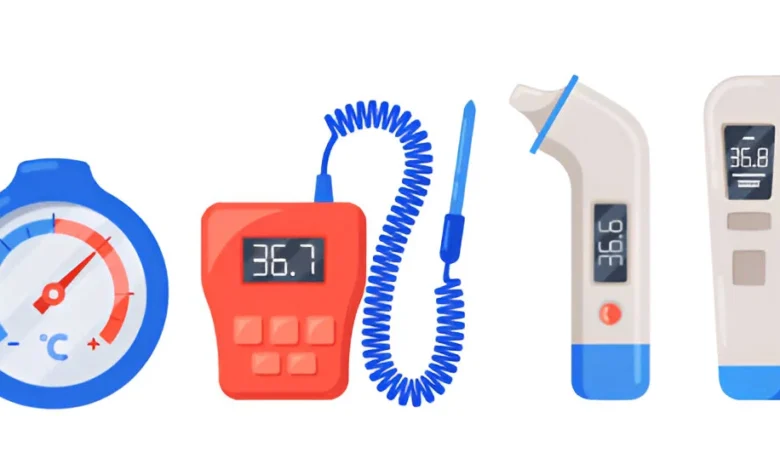
Digital thermometersuse electronic sensors to show temperature. They are easy to read and fast. Calibration usually needs checking the sensor with ice water or boiling water. Some models let you reset the reading.
Analog thermometershave a dial and a metal probe. They need manual adjustment for accuracy. You can turn a small screw to set the right temperature after testing in ice water.
Tips for digital thermometers:
- Check accuracy in ice water (should read 32°F or 0°C).
- Use boiling water for a second test (212°F or 100°C at sea level).
- Reset if readings are off.
Tips for analog thermometers:
- Insert probe in ice water.
- Turn calibration screw to set needle at 32°F (0°C).
- Repeat tests to confirm accuracy.
Credit: sts-calibration.com
Maintaining Accuracy Over Time
Keeping your meat thermometer accurate needs regular checks. Calibrate it at least once a month or after heavy use. This helps avoid wrong temperature readingsthat can spoil your food.
Store the thermometer in a dry place, away from direct heat or sunlight. Handle it carefully to stop damage. Avoid dropping or bending the probe.
- Clean the probe after each use to keep it working well.
- Use the ice water or boiling water test to check accuracy.
- Replace batteries if your thermometer is digital.
- Keep the thermometer in its case when not in use.
- Do not leave it inside the grill or oven for long times.
Troubleshooting Calibration Issues
Calibration problemsoften happen because the thermometer is not clean or the probe is damaged. Dirt or food on the probe can cause wrong readings. Always clean the probe before calibrating. If the thermometer shows very different temperatures after calibration, it might have a fault.
- Thermometer won’t hold calibration– the sensor inside may be broken.
- Temperature jumps around– battery might be low or probe damaged.
- Reading stays the same– sensor or display may be faulty.
Replace your thermometer if it:
| Signs to Replace | Explanation |
|---|---|
| Inaccurate readings | Calibration cannot fix big errors. |
| Damaged probe | Physical damage affects sensor function. |
| Battery issues | Low battery causes wrong readings. |
| Thermometer is old | Wear and tear reduce accuracy over time. |

Credit: www.youtube.com
Frequently Asked Questions
How Often Should I Calibrate My Meat Thermometer?
You should calibrate your meat thermometer at least once a month. Regular calibration ensures accurate temperature readings for safe cooking. Frequent use or accidental drops may require more frequent checks to maintain precision.
What Is The Best Method To Calibrate A Meat Thermometer?
The ice water method is the best way to calibrate. Insert the thermometer in ice water, wait 30 seconds, and adjust to 32°F (0°C) if needed. This method is simple and reliable for most thermometers.
Can I Calibrate A Digital Meat Thermometer At Home?
Yes, you can calibrate most digital meat thermometers at home. Use the ice water or boiling water method, then adjust settings if your thermometer allows it. Check the user manual for specific calibration instructions.
Why Is Calibrating A Meat Thermometer Important?
Calibration ensures your thermometer gives accurate temperature readings. Accurate readings prevent undercooked or overcooked meat, reducing foodborne illness risks. It also improves cooking quality and consistency every time.
Conclusion
Calibrating a meat thermometer ensures accurate readings. Accurate readings mean safe cooking. Follow the steps outlined to maintain precision. Always clean your thermometer after each use. Store it properly to avoid damage. Regular calibration helps ensure food safety. This practice builds confidence in your cooking.
Enjoy perfectly cooked meals every time. With a calibrated tool, cooking becomes easier. Keep practicing for better results. Happy cooking!