
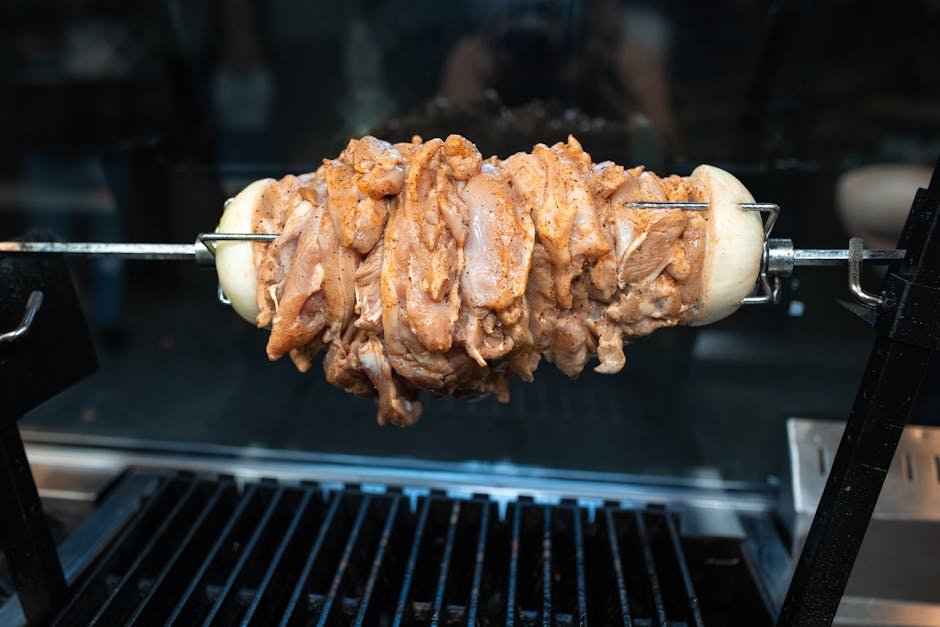
If you want juicy, flavorful chicken straight from your rotisserie, the secret lies in the marinade. How you marinate your chicken can make all the difference between a bland meal and a mouthwatering feast.
Imagine biting into perfectly seasoned, tender chicken that melts in your mouth. Sounds delicious, right? You’ll discover simple, effective steps to marinate your chicken just right for rotisserie cooking. Keep reading, and you’ll learn how to unlock bold flavors and make your next meal unforgettable.
Choosing The Right Chicken
Choosing between whole chickenand cut piecesdepends on cooking style. Whole chickens cook evenly and stay juicy. Cut pieces cook faster and absorb marinade better. Both work well on a rotisserie.
Fresh chicken usually has better flavor and texture. Frozen chicken is easy to store and can be thawed safely before cooking. Always check for freshness and avoid chicken with a bad smell.
| Type | Pros | Cons |
|---|---|---|
| Whole Chicken | Even cooking, juicy meat | Longer cooking time |
| Cut Pieces | Faster cooking, better marinade absorption | Can dry out if overcooked |
| Fresh Chicken | Better flavor and texture | Shorter shelf life |
| Frozen Chicken | Convenient, long storage | Needs proper thawing |
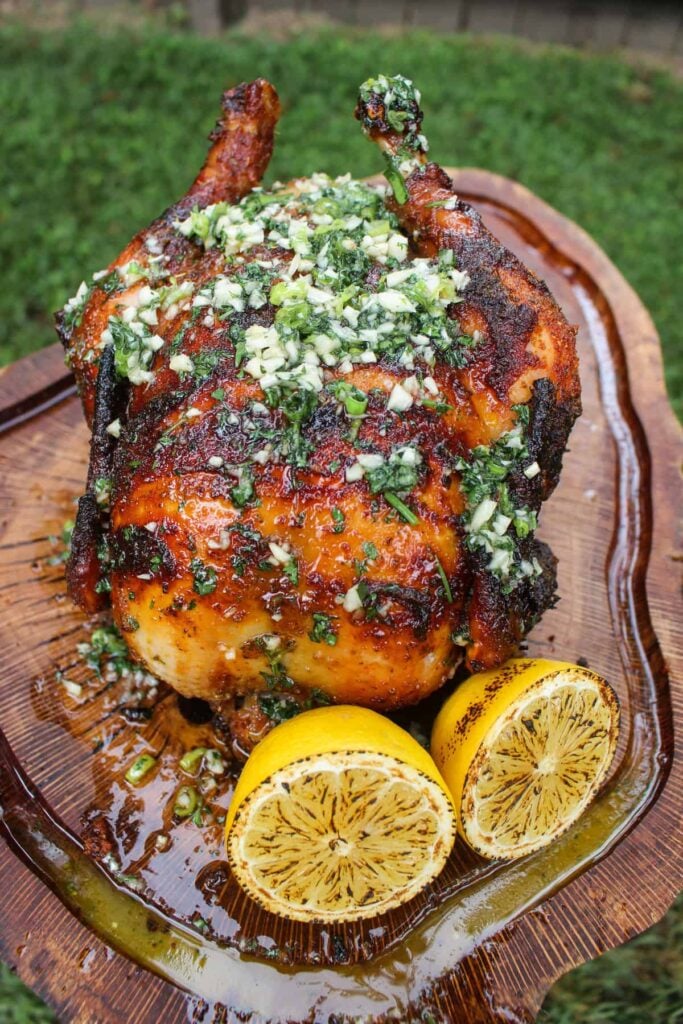
Credit: overthefirecooking.com
Key Ingredients For Marinades
Acidic componentshelp tenderize chicken by breaking down proteins. Common acids include lemon juice, vinegar, and yogurt. These ingredients make the chicken juicy and soft.
Oils and fatskeep chicken moist and add richness. Olive oil, vegetable oil, and melted butter work well. They also help spices stick to the meat.
Herbs and spicesgive the chicken its main flavor. Garlic, rosemary, thyme, paprika, and black pepper are popular choices. Fresh or dried herbs can be used.
Sweeteners and flavor enhancersbalance acidity and add depth. Honey, brown sugar, soy sauce, and mustard are common. They create a nice taste and help with browning.
Marinade Techniques
Mixing flavors well is key for a tasty marinade. Use a balance of acidic elementslike lemon juice or vinegar and oilssuch as olive oil. Add herbs and spices for extra flavor. Stir ingredients until they blend smoothly. This helps the chicken soak up all the tastes evenly.
Marinating times vary based on the chicken cut. For small pieces, 30 minutes to 2 hours works well. Larger cuts need 4 to 12 hours. Avoid marinating longer than 24 hours to keep the meat fresh and tender.
- Bags:Use resealable bags to coat chicken evenly and save space.
- Bowls:Bowls are easy to use but cover with plastic wrap.
- Containers:Airtight containers keep flavors sealed and prevent leaks.
Rotisserie Preparation Tips
Trussinghelps the chicken cook evenly on the rotisserie. Tie the legs and wings close to the body using kitchen twine. This keeps the chicken compact and prevents uneven cooking or burning. Tight trussing also helps the chicken hold its shape while turning.
For skewering, use a sturdy rotisserie spit rod. Slide the chicken onto the rod through the cavity. Secure it firmly with the forks on each side. This stops the chicken from slipping during cooking. Make sure the chicken is centered on the spit for balance.
| Balancing the Chicken | Why It Matters | Tips |
|---|---|---|
| Check weight distribution | Uneven weight can cause wobbling | Adjust position or add extra weight |
| Center the chicken on the spit | Ensures smooth rotation | Use forks to hold firmly |
| Tighten all ties and fasteners | Prevents shifting during cooking | Double knot twine and secure forks |
Flavor Boosters During Cooking
Basting keeps chicken juicy and adds extra flavor during cooking. Use a brush or spoon to apply sauces or marinades. Popular basting liquids include melted butter, garlic butter, or a mix of olive oil and herbs. Baste every 15 to 20 minutes for best results.
Smoking adds a rich, smoky taste to rotisserie chicken. Use wood chips like hickory, apple, or mesquite for different flavors. Fresh herbs such as rosemary, thyme, or sage can be placed near the heat source or inside the chicken cavity to release aroma as it cooks.
| Heat Setting | Rotation Speed | Effect |
|---|---|---|
| Medium | Slow | Even cooking, juicy meat |
| High | Fast | Crispy skin, risk of drying out |
| Low | Slow | Gentle cooking, tender texture |
Common Mistakes To Avoid
Over-marinatingchicken can make it mushy and lose its texture. Leave chicken in the marinade for the right time, usually 2 to 6 hours. Too long soaking breaks down the meat too much.
Undermarinatingmeans the chicken won’t absorb flavors well. Marinate for enough time to let spices and herbs soak in. This helps the chicken taste juicy and tasty when cooked.
Ignoring food safetyis a serious mistake. Always keep marinated chicken in the fridge. Do not reuse marinade that touched raw chicken unless boiled. This stops harmful bacteria from growing.
Recipe Ideas For Rotisserie Marinades
Classic Garlic and Herbmarinade blends garlic, rosemary, thyme, olive oil, and lemon juice. This mix gives chicken a fresh, savory flavor. Marinate for at least 2 hours to let flavors soak in. Perfect for a simple, tasty rotisserie chicken.
Spicy Cajun Blendcombines paprika, cayenne pepper, garlic powder, onion powder, and oregano. It adds a hot, bold taste to the chicken. Use this marinade to bring a bit of heat and spice to your meal.
Asian-Inspired Soy Marinademixes soy sauce, ginger, garlic, honey, and sesame oil. This creates a sweet and salty taste with a hint of warmth. It works great for an easy, flavorful chicken dish.
Citrus and Honey Glazeuses orange juice, lemon juice, honey, and a pinch of chili flakes. This glaze adds a sweet and tangy shine to the chicken skin. It’s great for a bright and tasty rotisserie chicken.
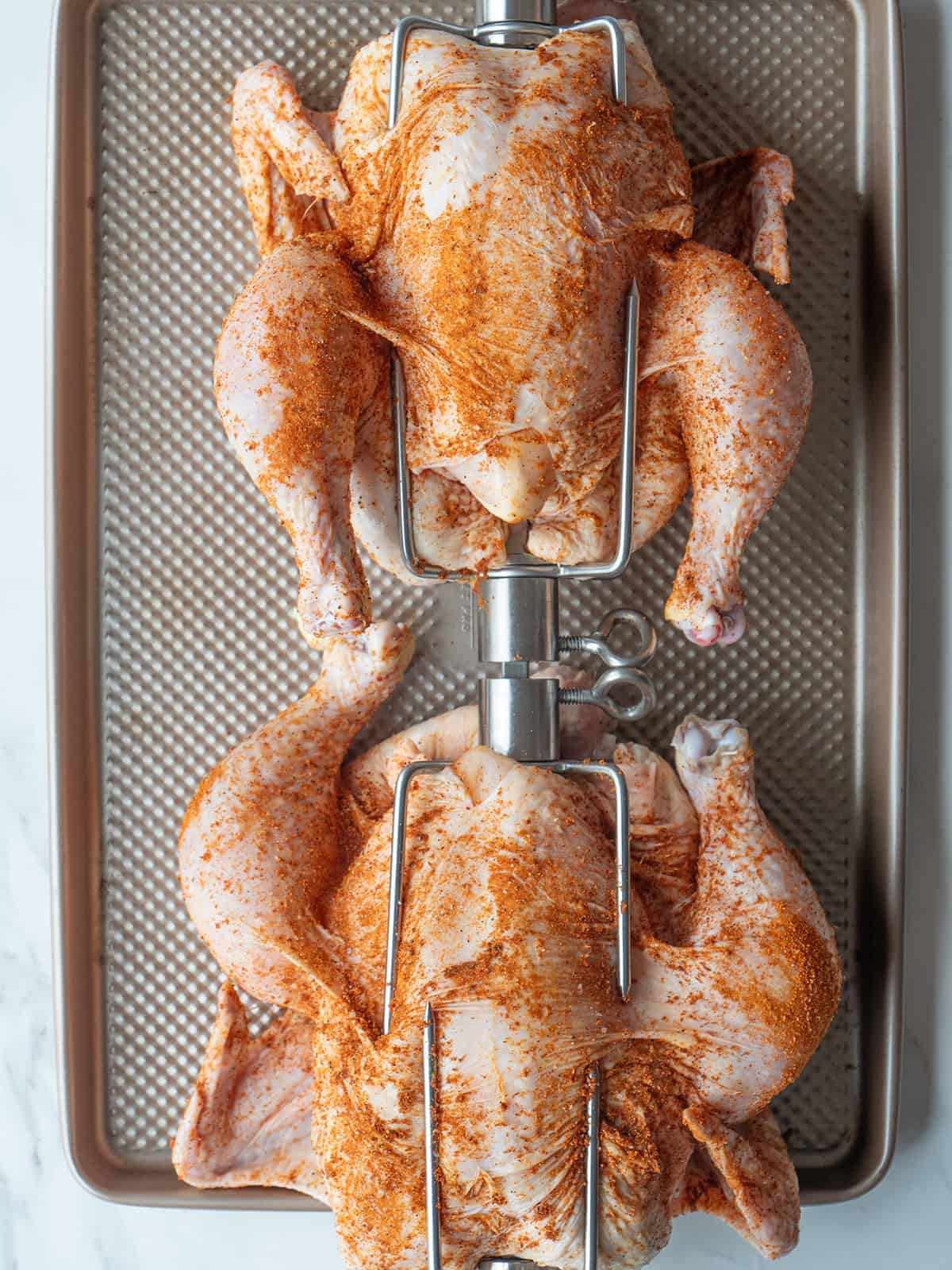
Credit: whatsgabycooking.com

Credit: www.aol.com
Frequently Asked Questions
How Long To Marinate Chicken For Rotisserie?
Marinating chicken for rotisserie typically takes between 4 to 24 hours. This duration allows the flavors to fully infuse the meat. For a quick marinade, a minimum of 30 minutes can also work. However, the longer marination time will yield more flavorful and tender chicken.
Can I Use Yogurt In The Marinade?
Yes, yogurt is an excellent base for marinating chicken. It helps to tenderize the meat while adding a creamy texture. Yogurt’s mild acidity breaks down proteins, enhancing flavor absorption. Combine with herbs and spices for a rich and aromatic marinade perfect for rotisserie cooking.
What Spices Are Best For Chicken Marinade?
Common spices for chicken marinade include garlic, paprika, and black pepper. Adding cumin, coriander, or cayenne pepper can enhance flavor depth. Fresh herbs like rosemary and thyme also work well. These spices create a savory balance, making the chicken aromatic and flavorful.
Is It Necessary To Refrigerate While Marinating?
Yes, it’s crucial to refrigerate chicken while marinating. Keeping it chilled prevents bacterial growth and ensures food safety. Always cover the marinating container and store it in the refrigerator. This helps maintain the chicken’s freshness and enhances the marinade’s effectiveness.
Conclusion
Marinating chicken adds flavor and keeps it juicy during cooking. Use simple ingredients like oil, herbs, and spices for best results. Let the chicken soak for a few hours or overnight. This helps the flavors sink deep into the meat.
Always cook the chicken evenly on the rotisserie for great taste. Enjoy your delicious, tender rotisserie chicken with friends and family. Practice makes perfect, so try different marinades and find your favorite. Great meals start with good preparation.