
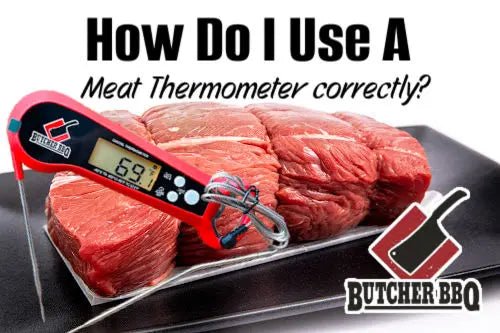
Are you tired of guessing if your meat is cooked just right? Using a meat thermometer can be a game-changer for your cooking.
It helps you avoid undercooked or overcooked meals, making your food safer and tastier. You’ll learn exactly how to use a meat thermometer with simple steps anyone can follow. Keep reading to discover the secrets to perfectly cooked meat every time—you’ll wonder how you ever cooked without it!
Credit: bagelsandlasagna.com
Choosing The Right Meat Thermometer
Digital thermometersshow temperature quickly on a screen. They are easy to read and very accurate. Analog thermometersuse a dial and needle. They don’t need batteries but can be slower to read.
Instant-read modelsgive a fast temperature reading in seconds. They are great for checking meat while cooking. Leave-in modelsstay in the meat while it cooks. They help you watch the temperature without opening the oven or grill.
| Feature | Why It Matters |
|---|---|
| Accuracy | Ensures meat is cooked safely and perfectly. |
| Speed | Quick readings save time and keep heat in. |
| Durability | Lasts longer and works well in heat. |
| Ease of Use | Simple controls and clear displays help beginners. |
| Temperature Range | Can measure all types of meat and cooking styles. |
Calibrating Your Thermometer
Fill a glass with ice and water. Stir well to make very cold water. Insert the thermometer probe into the ice water, avoiding touching the glass sides. Wait about 30 seconds. The thermometer should read 32°F (0°C). If not, adjust it if your model allows.
Boil water in a pot. Once boiling, place the thermometer probe in the water. Make sure it does not touch the pot sides or bottom. The reading should be 212°F (100°C)at sea level. Adjust if needed, but remember boiling point changes with altitude.
- Check your thermometer regularly for accuracy.
- Recalibrate after dropping it or after heavy use.
- Store properly to avoid damage.
- Always test before cooking important meals.
Using The Thermometer Correctly
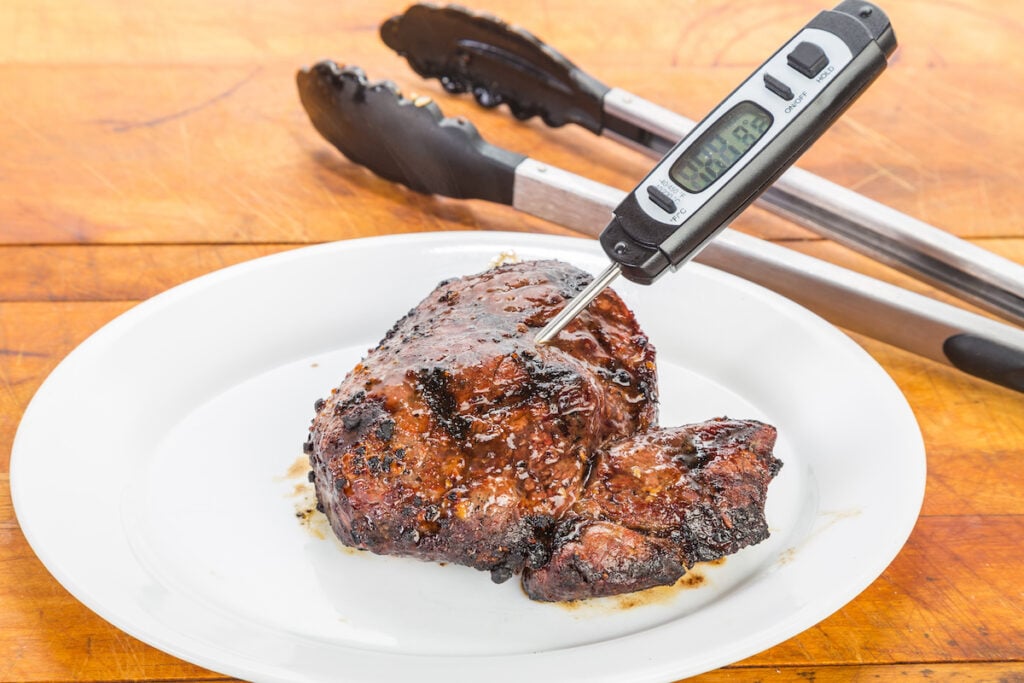
Insert the probe into the thickest part of the meat. Avoid touching boneor fatas they give false readings.
Bone heats faster and can make the temperature too high. Fat heats slower and can make it too low.
Check the temperature on the digital or dial display. Wait a few seconds for the reading to stop changing.
For even cooking, test in several spots. Use the highest temperature to know if meat is done.
Credit: www.yahoo.com
Temperature Guidelines For Different Meats
Use a meat thermometer to check the safe cooking temperaturesfor different meats. This helps avoid undercooking or overcooking.
| Meat Type | Recommended Temperature | Notes |
|---|---|---|
| Beef and Lamb | 145°F (63°C) for medium rare 160°F (71°C) for medium | Let rest for 3 minutes before cutting |
| Poultry | 165°F (74°C) | Check thickest part like thigh or breast |
| Pork and Ham | 145°F (63°C) with 3-minute rest 160°F (71°C) for ground pork | Rest time is important for juiciness |
| Fish and Seafood | 145°F (63°C) | Cook until flesh is opaque and flakes easily |
Tips For Perfect Results
Let meat rest after cooking to keep it juicy and tender. Resting helps the juices spread evenly inside. Use a warm place and cover meat loosely with foil. Rest small cuts for 5 minutes, large cuts need 10 to 20 minutes. This step is key for perfect taste and texture.
Clean your meat thermometer after every use. Use warm soapy water and a soft cloth. Avoid soaking electronic parts in water. Dry it well before storing. Regular cleaning keeps it working accurately and safely.
- Do not insert the thermometer too close to bones or fat.
- Never leave the thermometer in the oven unless it’s made for that.
- Avoid using a dirty thermometer; it can give wrong readings.
- Don’t guess the temperature; always check with the thermometer.

Credit: themeatstick.com
Advanced Techniques
Using a meat thermometer helps keep food safe and tasty. For smoking and grilling, insert the probe into the thickest part of the meat. Avoid touching bones, which give false readings. Smoking takes longer, so check the temperature often to keep meat moist.
When cooking many pieces, use a thermometer with multiple probes. This lets you watch all meats at once. It saves time and stops guesswork. You can see each piece’s temperature on one screen.
Smart thermometers connect to phones via apps. These apps show real-time temperatures and send alerts. You get tips for perfect cooking times. Some apps store your favorite recipes and cooking notes.
Frequently Asked Questions
How Do I Properly Insert A Meat Thermometer?
Insert the thermometer’s probe into the thickest part of the meat. Avoid touching bone, fat, or gristle for an accurate reading.
What Temperature Ensures Meat Is Safely Cooked?
Cook meat to the USDA recommended internal temperature: 165°F for poultry, 145°F for beef, pork, and lamb, with a rest time.
Can I Leave The Thermometer In While Cooking?
Yes, some digital thermometers are designed to stay in the meat during cooking for continuous temperature monitoring.
How Do I Clean A Meat Thermometer?
Clean the probe with warm soapy water after each use. Avoid immersing digital parts to protect the device.
Conclusion
Using a meat thermometer ensures perfectly cooked meals every time. It helps you avoid undercooked or overcooked dishes. A simple tool that brings peace of mind. Place it correctly in the thickest part of the meat. Always check the temperature before serving.
Enjoy juicy, delicious, and safe food with this easy method. Practice makes it even easier. Get consistent results with every meal. Remember, a few seconds can enhance the flavor. Try it out, and taste the difference. Cooking becomes more enjoyable and less stressful with this tool.
Happy cooking!