
Your cutting board is a kitchen essential you use every day. But do you know when it’s time to replace it?
Using an old or damaged cutting board can put your health at risk and affect the quality of your meals. You’ll discover the clear signs that tell you it’s time for a new one. Keep reading to protect your family and keep your kitchen safe and clean.

Credit: www.rewonline.com
Signs Of Wear And Tear
Cutting boards develop deep cuts and groovesfrom knives. These can hide bacteria and food bits. Cleaning becomes hard and unsafe. Boards with many deep cuts should be replaced.
Warping and crackinghappen when wood or plastic boards dry unevenly. Warped boards do not sit flat and can slip while cutting. Cracks can trap germs and make boards unsafe to use.
Discoloration and stainsappear from food and liquids. Some stains show signs of mold or old food. If stains do not wash off, it is time for a new board.
Hygiene Concerns
Cutting boards with deep cuts or cracks can hide bacteria and cause food contamination. Replace boards that are warped or have stains that won’t wash away. Maintaining clean and smooth surfaces helps keep food safe and kitchen hygiene high.
Persistent Odors
Cutting boards can hold strong smells from foods like garlic or fish. These odors stay even after washing. A strong smell means the board might have deep stains or cracks. Such boards can affect the taste of food.
Bacterial Build-up
Small cuts and grooves on cutting boards trap bacteria. Washing may not remove all germs. Over time, this build-up can cause sickness. Wooden boards can absorb moisture, helping bacteria grow faster.
Cross-contamination Risks
Using the same board for raw meat and veggies spreads germs. This can cause food poisoning. Boards with deep cuts are harder to clean well. It is safer to replace boards that show heavy wear or damage.
Material-specific Lifespan
Wooden cutting boardscan last many years with good care. They need regular oiling to stop drying and cracking. Deep cuts or stains mean it’s time to replace them. Germs hide in cracks, making food unsafe.
Plastic boardsare cheaper and easy to clean. They wear out faster and get deep grooves from knives. If the board has many cuts or is warped, replace it to avoid bacteria buildup.
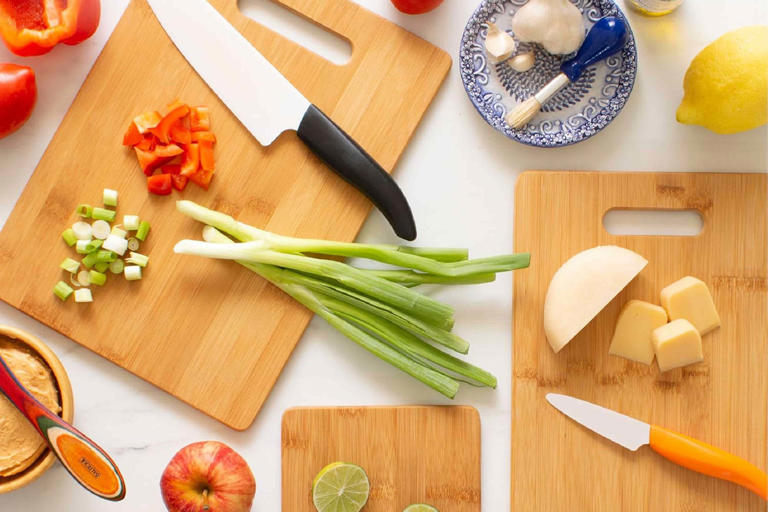
Bamboo and composite boardsare harder and last longer than plastic. They resist cuts better but still need replacing when cracks or splits appear. Cleaning well helps keep them safe to use.
Credit: www.msn.com
Maintenance Tips To Extend Life
Cleaning cutting boards well stops germs from growing. Use hot, soapy water after each use. Rinse and dry completely to avoid moisture damage. Avoid soaking wood boards in water. A mix of vinegar and water can help remove odors and bacteria safely.
Oiling wooden boards keeps them smooth and strong. Apply food-safe mineral oil once a month. Rub oil in with a clean cloth until it soaks in. This stops wood from cracking and drying out. Avoid vegetable oils as they can go bad.
Store cutting boards in a dry place. Keep them upright to allow air circulation. Avoid stacking boards when wet to stop mold growth. Using a rack or stand helps them dry faster and last longer.
When Replacement Is Non-negotiable
Visible damagelike deep cuts and cracks can trap germs and bacteria. These spots are hard to clean and may cause food poisoning. Scratches on wooden or plastic boards let bacteria hide, making washing less effective.
Persistent hygiene issueshappen when the board smells bad or stays stained even after cleaning. This shows germs are still inside. Using a board that can’t be cleaned well risks your health.
Compromised structural integritymeans the board is warped, cracked, or breaking apart. A weak board can break during use and cause injury or contaminate food. Safety should always come first.

Credit: www.reddit.com
Frequently Asked Questions
When Should I Replace A Wooden Cutting Board?
Replace a wooden cutting board when deep grooves or cracks appear. These can harbor bacteria and affect food safety. Also, replace if the board warps or smells persist despite cleaning. Regular maintenance can extend its life, but safety should always come first.
How Do I Know If My Cutting Board Is Unsafe?
A cutting board is unsafe if it has deep cuts, cracks, or discoloration. These defects can trap bacteria and cause contamination. If the surface is rough or smells bad after washing, it’s time to replace it to ensure food safety.
Can Plastic Cutting Boards Be Replaced Like Wooden Ones?
Yes, plastic cutting boards should be replaced when heavily scored or cracked. Unlike wood, plastic boards can get grooves that are hard to sanitize. Replace them promptly to avoid bacteria buildup and maintain a hygienic kitchen environment.
How Often Should I Replace My Cutting Boards?
Replace cutting boards when they show signs of wear such as deep cuts or warping. Frequency depends on usage; heavy use might require replacement every year. Regular inspection helps maintain hygiene and prevents foodborne illness.
Conclusion
Replacing cutting boards is vital for kitchen safety and hygiene. Worn boards can harbor bacteria. Look for deep cuts and warping. These signs mean it’s time to replace. Also, if your board smells bad, consider getting a new one. Different materials wear out differently.
Plastic boards may need replacing sooner. Wooden boards last longer but need care. Regular inspection helps maintain your kitchen’s cleanliness. Always prioritize safety and cleanliness in your cooking space. A new cutting board ensures fresh, clean meals every time. Keep your kitchen tools in top shape for better health.