
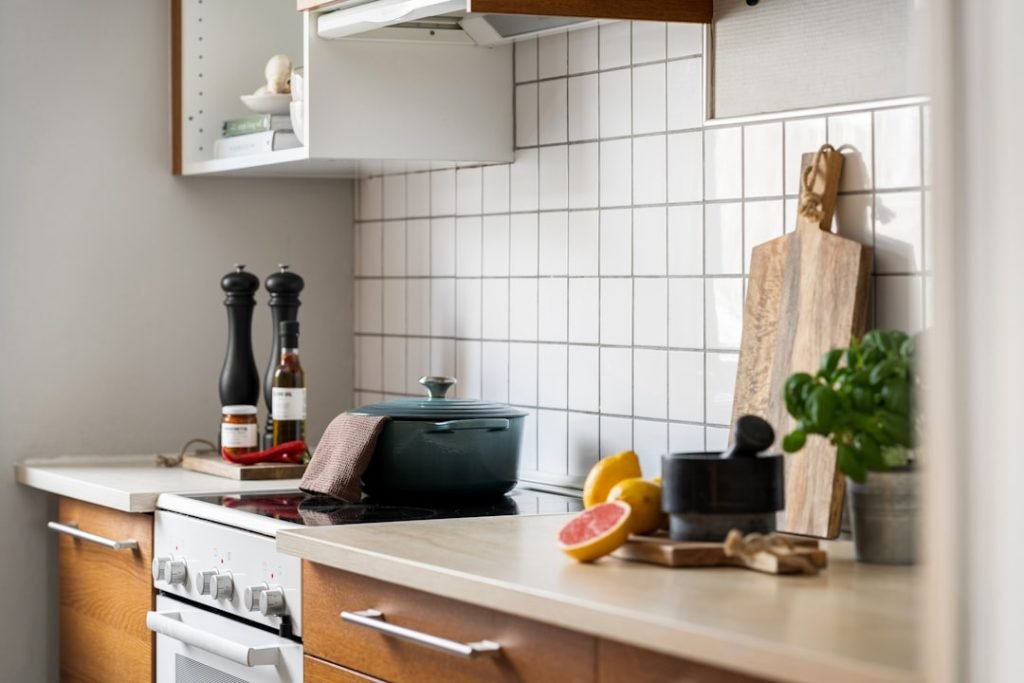
Are you dreaming of having your own kitchen where you can whip up delicious meals and create memorable moments with loved ones? The idea of setting up a basic kitchen might seem daunting, especially when it comes to figuring out the costs involved.
But don’t worry—you’re not alone in this! Understanding how much it costs to set up a basic kitchen can help you plan better and make informed decisions. This article will guide you through the essentials without breaking the bank, so you can have the cozy kitchen you’ve always wanted.
Keep reading to discover the secrets of setting up your kitchen affordably and efficiently!
Essential Kitchen Equipment Costs
Basic appliances include a fridge, oven, and microwave. A new fridge costs around $300. Ovens can be priced at $400. Microwaves cost about $100. These appliances are key for cooking and storing food.
Cookware includes pots and pans. A good pot set costs $50. A pan set is around $40. Utensils like spatulas and spoons cost $20. These items help in cooking meals.
Cutlery includes forks, spoons, and knives. A basic set costs $30. Knives are crucial for cutting food. A good knife set is about $50. These tools make cooking easier.

Credit: www.reddit.com
Furniture And Storage Expenses
Cabinets are important in a kitchen. Basic cabinets start at $100 per unit. Shelves can cost around $50 each. Prices depend on material. Wood costs more than plastic. Simple designs are cheaper. Custom cabinets are expensive. Installation can add extra costs.
A small dining table can cost $150. Chairs might be $30 each. Sets are sometimes cheaper. Prices vary by material. Wood tables cost more. Metal or plastic are cheaper. Look for sales to save money.
Decor And Lighting Costs
Decorating walls can change a kitchen look. Wall art or simple paintings cost around $20 to $50 each. Wall decals are cheaper, usually under $15. These can make walls look fun. Shelves are also a good choice. They cost between $10 and $30. They hold stuff like jars or small plants. This adds charm without spending too much.
Good lighting is important in a kitchen. Ceiling lights can cost $40 to $100. They light up the whole room. Pendant lights are stylish and cost around $30 to $60 each. They hang down and brighten up specific areas. Under-cabinet lights can be handy. They are usually $20 to $40. They help in cooking by lighting the counters. Choosing the right lights can make cooking easier.
Installation And Labor Fees
Setting up plumbing in a kitchen costs money. The average cost is around $1,000 to $2,000. This includes pipes, sinks, and faucets. Sometimes, the cost can be higher if changes are needed. Old homes may require more work. Always hire a professional plumber. This ensures the job is done right. It also helps avoid future problems. Planning ahead can save you money. Ask for a price estimate before starting work.
Electrical work is also important in a kitchen. It can cost $500 to $1,500. This covers wiring, outlets, and lights. Sometimes you need to add new circuits. This can increase the cost. Electricians make sure everything is safe. Safety is the most important thing. Always choose an experienced electrician. They do the job safely and correctly. Get a cost estimate first. This helps in budgeting the kitchen setup.
Miscellaneous Costs
Setting up a basic kitchen can involve unexpected costs. Consider utensils, cleaning supplies, and small gadgets for convenience. These items add to the overall expenses.
Cleaning Supplies
Basic cleaning supplies are essential for every kitchen. A bottle of dish soap costs around $2. Sponges and scrubbers might cost $5 for a pack. A multipurpose cleaner can be priced at $3. Trash bags usually come in packs costing $6. These items keep your kitchen tidy.
Safety Equipment
Safety is important in the kitchen. A fire extinguisher costs about $20. Oven mitts protect hands and cost around $7. A smoke detector is priced near $15. Having these items helps keep everyone safe. Invest in safety to avoid accidents.
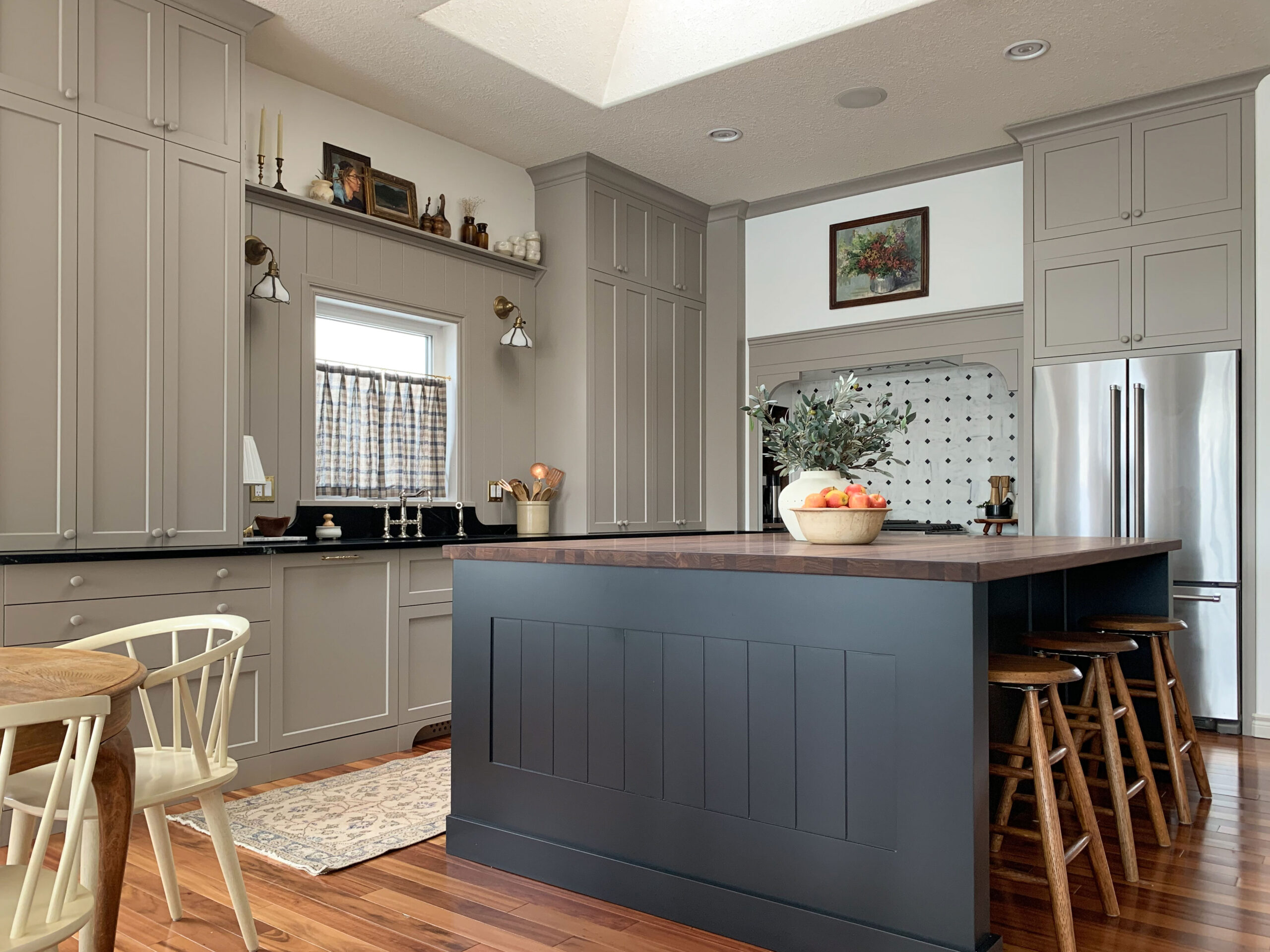
Credit: erinzubotdesign.com
Budgeting Tips For Setting Up A Kitchen
Start with the most important items. A good stove and fridge are key. These are used every day. Buy quality ones first. Next, get basic cookware and utensils. Pots, pans, and knives are needed. You can cook many meals with these. Plates, cups, and cutlery come next. These help serve and eat food. Don’t forget a trash can. It keeps the kitchen clean.
Look for sales at local stores. Check online for discounts. Many sites offer deals on kitchen items. Use coupons to save money. Sign up for store newsletters. They send special offers to your email. Second-hand shops have cheap items too. You can find good quality there. Don’t spend all your money at once. Buy slowly and save more.

Credit: pbphomerepair.com
Frequently Asked Questions
What Is The Average Kitchen Setup Cost?
The average cost to set up a basic kitchen is between $5,000 and $15,000. This includes essential appliances, cabinetry, and countertops. Prices can vary based on material choices and brand preferences. It’s wise to budget extra for unexpected expenses or upgrades.
How Do Materials Affect Kitchen Cost?
Material choice significantly impacts kitchen setup costs. For example, granite countertops are pricier than laminate. High-end appliances also raise expenses compared to basic models. Choosing durable yet affordable materials can help manage costs while ensuring quality.
Can I Set Up A Kitchen On A Budget?
Yes, setting up a kitchen on a budget is possible. Opt for cost-effective materials like laminate and stainless steel. Consider second-hand appliances and DIY installation for savings. Prioritize essential items first, and upgrade gradually as budget permits.
What Are The Hidden Kitchen Setup Costs?
Hidden costs in kitchen setups include installation fees, delivery charges, and minor repairs. Electrical and plumbing adjustments might also add expenses. It’s important to factor these in when budgeting to avoid unexpected financial strain during the project.
Conclusion
Setting up a basic kitchen doesn’t have to break the bank. Costs vary based on brand choices and appliance types. Budgeting smartly helps manage expenses effectively. Consider second-hand options for savings. Prioritize essential items first. This ensures you have everything necessary to start cooking.
Research and compare prices before making purchases. This can lead to better deals. Planning carefully can help you avoid unnecessary expenses. A well-thought-out approach ensures you get a functional kitchen within budget. Keep your needs in mind. With the right strategy, creating your kitchen becomes a rewarding experience.
Happy cooking!