
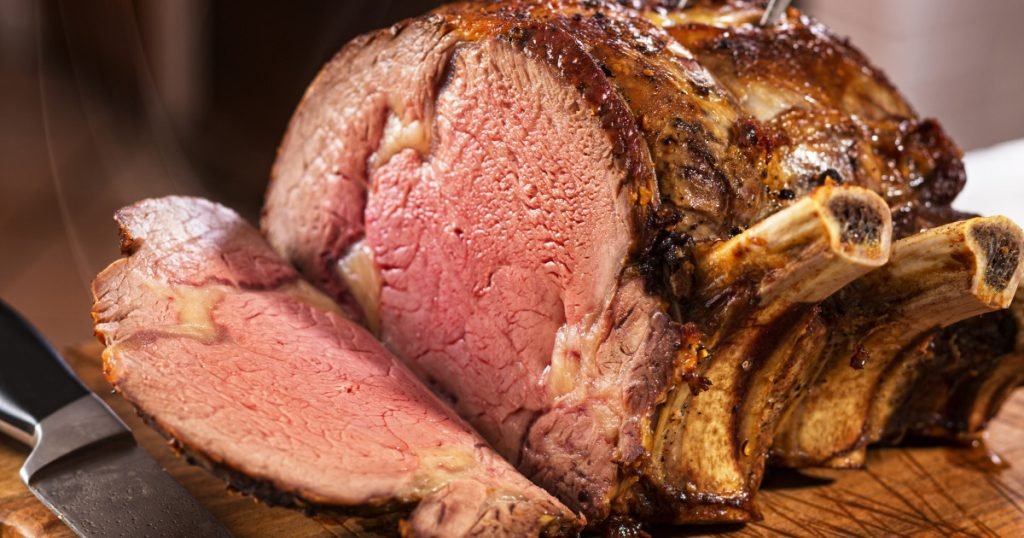
Carving a prime rib can feel like a big challenge, but it doesn’t have to be. Imagine serving perfectly sliced, juicy pieces that impress everyone at your table.
You want your prime rib to look as amazing as it tastes, right? In this guide, you’ll learn simple steps to carve your prime rib like a pro. Whether it’s for a special occasion or a cozy dinner, mastering this skill will make your meal unforgettable.
Keep reading, and you’ll discover how easy it is to turn your prime rib into a delicious centerpiece everyone will love.
Choosing The Right Prime Rib
Prime rib qualitydepends on the cut and grade of meat. Choose well-marbledbeef for juiciness and flavor. Marbling means fat inside the meat, which melts while cooking.
Prime rib is graded mainly as Prime, Choice, or Select. Primegrade has the most marbling and tenderness. Choiceis good but less fatty. Selectis leaner and less tender.
| Grade | Marbling | Texture | Best Use |
|---|---|---|---|
| Prime | High | Tender | Special occasions, rich flavor |
| Choice | Moderate | Good | Everyday meals |
| Select | Low | Less tender | Budget-friendly, lean meals |
Size matters. A small roast serves fewer people but cooks faster. Large roasts feed many but take more time.
- Plan based on guests.
- Allow about 1 pound per person.
- Consider bone-in cuts for more flavor.
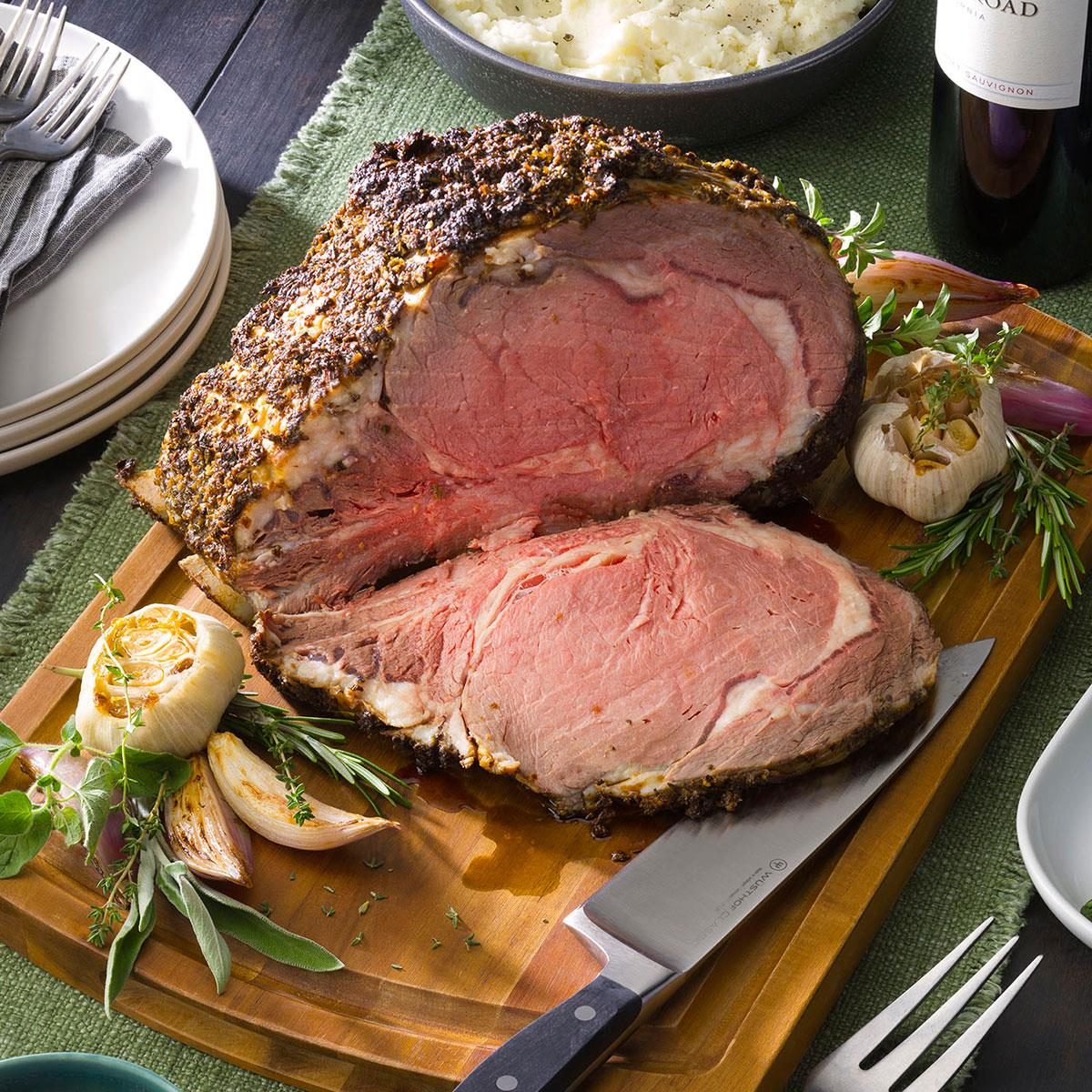
Credit: www.tasteofhome.com
Essential Tools For Carving
Using the right tools makes carving prime rib easier and safer. A sharp carving knifewith a long, thin blade helps cut smooth slices. A serrated knifeworks well for crusty edges. A carving forkholds the meat steady while slicing, preventing slips.
Other helpful accessories include a cutting boardwith grooves to catch juices. A meat thermometerensures the prime rib is cooked perfectly. Kitchen towelskeep hands dry for a better grip. A serving platterpresents the sliced meat nicely.
- Sharp carving knife
- Serrated knife
- Carving fork
- Cutting board with juice grooves
- Meat thermometer
- Kitchen towels
- Serving platter
Preparing The Prime Rib
Resting the prime rib is essentialafter cooking. It lets the juices redistributeinside the meat. This step keeps the roast moist and tender. Cover the roast loosely with foil. Let it rest for 20 to 30 minutes. Avoid cutting it too soon, or the juices will run out.
Positioning the roast correctly helps with even slicing. Place the roast on a cutting boardwith the fat side up. This lets the fat melt into the meat, adding flavor. Use a sharp knife for clean cuts. Slice against the grain for tender pieces. Keep the slices about 1/2 inch thickfor the best texture.
Carving Techniques
Begin by letting the prime rib rest to keep juices inside. Use a sharp knife to slice thin, even pieces across the grain. Carve carefully to serve tender, flavorful meat every time.
Locating The Rib Bones
Find the bones by feeling along the meat’s edge. The ribs run in a curve. Use a sharp knife to trace the bone line. This helps guide your cuts. Cutting close to the bone keeps meat juicy and tender. Avoid cutting too far from the bone to prevent waste.
Making The Initial Cuts
Start by trimming excess fat or silver skin. Cut along the ribs, following their shape. Slice down to the bone but do not cut through it. Keep your knife steady and use smooth motions. This helps keep the meat intact and neat.
Slicing Perfect Portions
- Cut across the grain for tender slices.
- Make slices about ½ inch thick.
- Use a long, sharp knife for clean cuts.
- Slice slowly to avoid shredding the meat.
- Serve immediately to keep juices inside.
Serving Tips
Arrange the prime rib slices neatly on a warm plate. Place the thicker slices in the center. Surround with thinner slices for easy picking. Let the meat rest before slicing to keep it juicy.
- Horseradish sauceadds a spicy kick that complements the rich meat.
- Au juskeeps each bite moist and full of flavor.
- Mustard-based saucesgive a tangy contrast to the beef.
Serve with classic sides like roasted potatoes, steamed vegetables, or a fresh salad. Warm bread or dinner rolls also pair well. This balance highlights the prime rib’s rich taste.
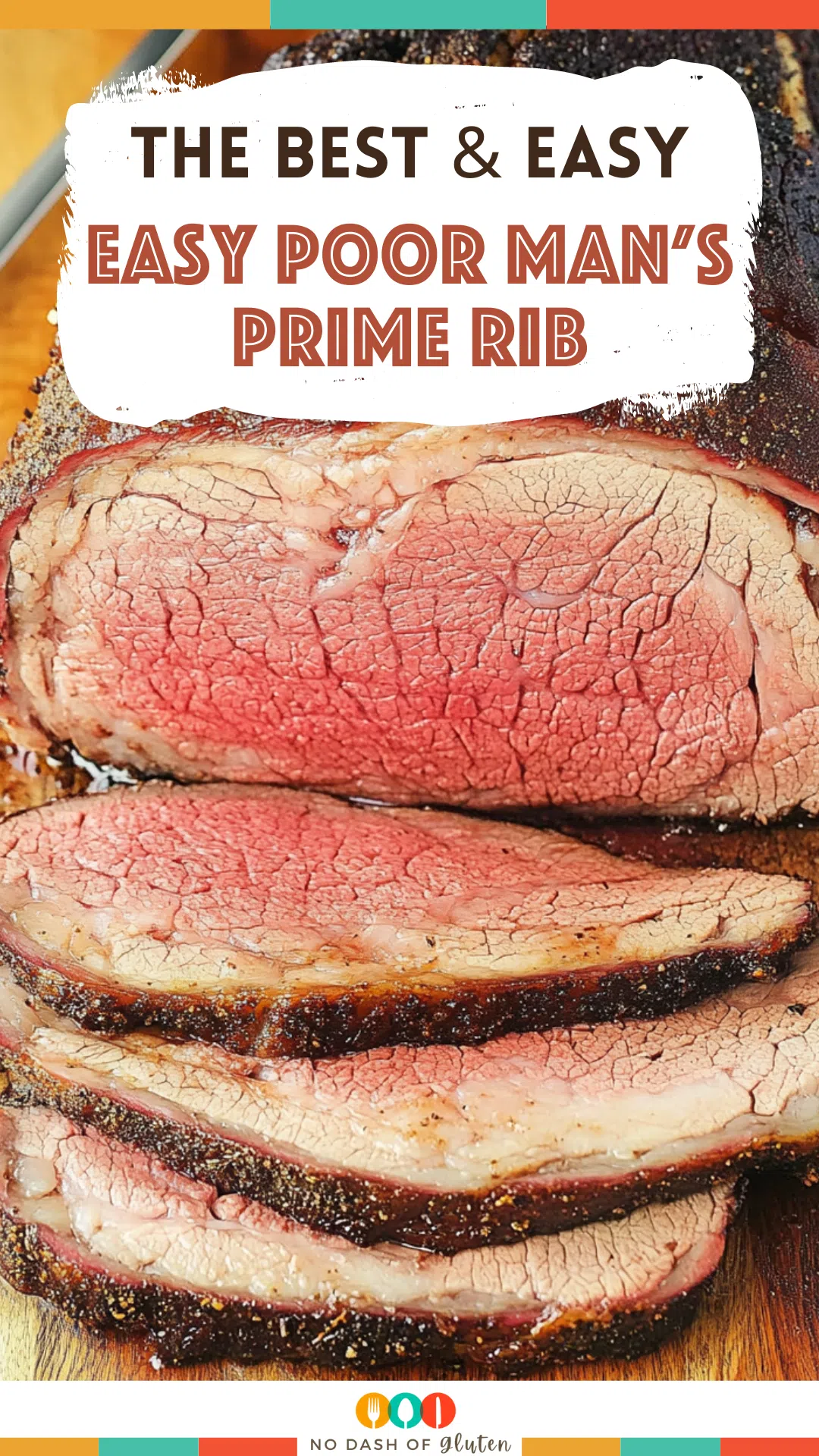
Credit: nodashofgluten.com
Common Mistakes To Avoid
Cutting too thickcan make the meat hard to chew. Cutting too thinmay cause the meat to fall apart. Use a sharp knife and steady hands to get even slices.
Ignoring rest timelets the juices run out when you cut. Rest the prime rib for at least 15 minutes after cooking. This keeps the meat juicy and tender.
Using dull knivesmakes slicing difficult and unsafe. Always sharpen your knife before carving. A sharp knife cuts cleanly and helps keep the meat intact.
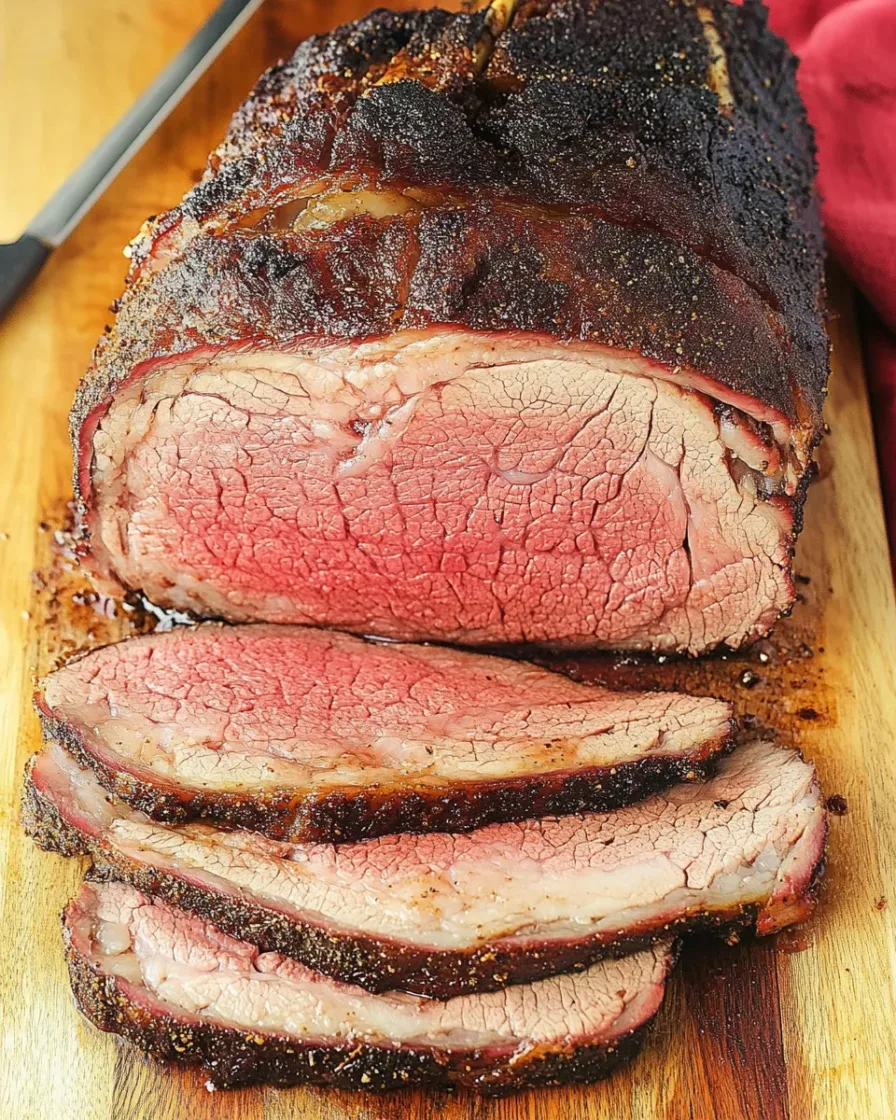
Credit: nodashofgluten.com
Frequently Asked Questions
How Do You Properly Carve A Prime Rib Roast?
Start by letting the roast rest 15-20 minutes. Use a sharp carving knife to slice against the grain. Cut thin, even slices to ensure tenderness. Always carve from the larger end for uniform pieces.
What Tools Are Best For Carving Prime Rib?
A sharp, long carving knife and a meat fork work best. These tools help maintain control and produce clean, even slices. Avoid serrated knives as they can tear the meat.
How Thick Should Prime Rib Slices Be?
Slices should be about ¼ to ½ inch thick. This thickness balances tenderness and juiciness. Thicker slices retain more flavor, while thinner ones are easier to chew.
Should You Carve Prime Rib Before Or After Resting?
Always rest prime rib before carving. Resting allows juices to redistribute throughout the meat. This results in a juicier and more flavorful roast.
Conclusion
Carving a prime rib takes practice and patience. Start with a sharp knife. Slice against the grain for tender pieces. Remember to let the meat rest. This step keeps the juices inside. Serve with your favorite sides. Your guests will appreciate the effort.
With these steps, you’re ready to carve. Enjoy the flavors and the compliments. Keep practicing for even better results. Carving skills improve over time. Happy carving!