
Are flare ups on your gas grill ruining your cookouts? You’re not alone.
Those sudden bursts of flames can char your food, create uneven cooking, and even pose safety risks. But what if you could keep your grill blazing just right, every time you fire it up? In this post, you’ll discover simple, effective steps to stop flare ups before they start.
Imagine perfectly grilled steaks and veggies, cooked evenly without the fear of unexpected flames. Keep reading, and you’ll learn exactly how to take control of your gas grill and enjoy hassle-free barbecues.

Credit: bbqhouse.shop
Causes Of Grill Flare Ups
Grill flare ups happen when flames suddenly grow bigger. They can burn your food or cause accidents.
Understanding why flare ups start helps you control them better. This keeps your grill safe and your food tasty.
Fat Drippings And Flames
Fat from meat drips onto hot grill parts. When fat touches flames, it causes flare ups.
Fat burns quickly and creates sudden fire bursts. Lean meats cause fewer flare ups than fatty cuts.
Grease Buildup
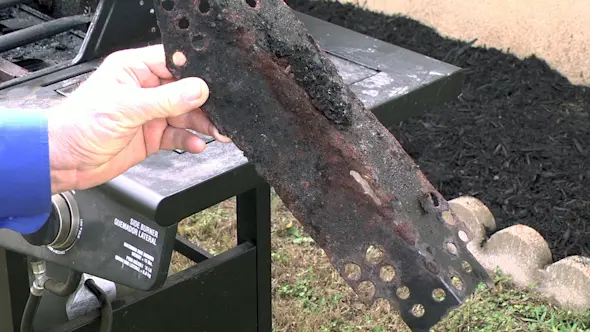
Old grease collects inside your grill over time. This grease can catch fire and cause flare ups.
Regular cleaning stops grease from building up. Clean grates and drip trays often to reduce flare ups.
- Remove food debris after each use
- Clean drip pans regularly
- Scrape grill grates before cooking
High Heat Zones
Some parts of the grill get hotter than others. These high heat zones can cause flare ups easily.
Keep fatty foods away from very hot areas. Use indirect heat for better control and fewer flare ups.
Credit: www.searspartsdirect.com
Preparing Your Grill
Stopping flare ups on your gas grill starts with good preparation. Taking care of your grill before cooking helps control flames and avoid accidents.
Focus on cleaning, checking vents, and managing fuel to keep your grill safe and working well.
Cleaning Grill Grates
Clean grill grates remove old grease and food bits. This lowers the chance of flare ups from burning debris.
Use a grill brush or scraper before and after each use. For deep cleaning, soak grates in warm soapy water.
- Brush grates with a stiff wire brush
- Remove stuck food with scraper
- Soak and scrub for deep cleaning
- Rinse and dry completely before use
Checking For Blocked Vents
Blocked vents stop air flow and cause flare ups. Check vents to keep air moving well.
Look for dirt, spider webs, or grease blocking vents. Clean them out gently with a brush or cloth.
- Inspect vents before each cook
- Use a brush to clear dirt
- Remove spider webs or insects
- Keep vents fully open for good airflow
Proper Fuel Management
Use the right amount of fuel to control flare ups. Too much gas or charcoal can cause big flames.
Adjust burners to medium heat and add fuel slowly. This keeps the fire steady and safe.
- Check propane tank for leaks and pressure
- Light burners one at a time
- Keep burner knobs at medium setting
- Add charcoal gradually if using a charcoal gas combo
Safe Cooking Techniques
Flare ups on a gas grill can cause burns and ruin food. Learning safe cooking techniques helps control flare ups. This keeps cooking safe and enjoyable.
Using the right methods on your grill reduces flare ups. It also helps you cook food evenly and safely every time.
Controlling Temperature
Keep the grill temperature at the right level to avoid flare ups. High heat can cause fat to drip and catch fire. Adjust the burners to lower heat when needed.
Use a grill thermometer to check the temperature. Aim for steady heat, not sudden spikes. This helps keep flames under control.
Using Two-zone Cooking
Create two cooking zones on your grill: one with high heat and one with low heat. Start food on the hot side to sear it. Then move it to the cooler side to finish cooking.
This method prevents flare ups by giving you space to move food away from flames. It also cooks food evenly without burning.
Avoiding Overcrowding
Place food with space between each piece. Overcrowding traps heat and fat, causing flare ups. It also stops air flow around the food.
Give food enough room to cook evenly. This reduces flare ups and helps you check food easily while grilling.
Handling Flare Ups When They Happen
Flare ups on a gas grill can cause food to burn quickly. It is important to act fast to keep your food safe and tasty.
This guide shows simple ways to control flare ups and keep grilling fun and easy.
Moving Food Away From Flames
When a flare up starts, move your food to a cooler part of the grill. This stops the food from burning and reduces smoke.
- Use tongs or a spatula to gently move food.
- Avoid pressing down on the food, which can cause juices to drip.
- Place food on the grill edges or on a warming rack.
- Wait for flames to die down before returning food to the heat.
Using A Spray Bottle
Keep a spray bottle filled with water near your grill. A light spray can control small flare ups fast.
| Tip | How to Use |
| Spray Lightly | Use a fine mist to avoid cooling the grill too much. |
| Avoid Overuse | Too much water can cause ash or grease splatter. |
| Use Only Water | Do not use oils or other liquids in the spray bottle. |
Closing The Lid
Closing the grill lid cuts off oxygen and helps reduce flare ups. It also keeps heat steady for cooking.
- Close the lid as soon as flames rise.
- Watch your food closely to avoid burning.
- Open the lid carefully to check on food and control flare ups.
Maintenance Tips To Prevent Future Flare Ups
Flare ups on gas grills can burn your food and cause safety issues. Preventing them takes regular care and attention. Simple maintenance keeps your grill working safely and smoothly.
Below are key tips on how to maintain your grill. Follow these to reduce flare ups and enjoy better grilling results.
Regular Deep Cleaning
Grease and food buildup cause flare ups. Clean your grill deeply after every few uses. This stops grease fires and keeps heat even.
- Remove grill grates and scrub with warm soapy water.
- Clean grease trays and catch pans thoroughly.
- Use a wire brush to clean burner tubes and remove blockages.
- Wipe down the inside and outside of the grill to remove grease.
Inspecting Gas Lines
Gas lines can develop leaks or cracks over time. Check them regularly to avoid dangerous flare ups caused by gas leaks.
| Inspection Area | What to Look For | Action Needed |
| Gas Hose | Cracks, holes, wear | Replace if damaged |
| Connections | Loose or corroded fittings | Tighten or replace parts |
| Regulator | Signs of damage or leaks | Test and replace if faulty |
Replacing Worn Parts
Old or damaged parts affect grill performance and safety. Replace worn parts to keep the grill working well and stop flare ups.
- Change burnt or cracked burner tubes for even flame.
- Replace faulty igniters to ensure reliable lighting.
- Swap out rusted grates to avoid uneven cooking.
- Install new drip pans to catch grease properly.
Choosing The Right Tools
Stopping flare-ups on a gas grill needs the right tools. These tools keep you safe and help control the fire.
Using good gloves, long utensils, and fire mats can reduce flare-ups. They make grilling easier and safer.
Heat-resistant Gloves
Heat-resistant gloves protect your hands from burns. They let you handle hot grill parts safely.
Choose gloves made from thick materials like silicone or leather. Make sure they cover your wrists well.
- Protects hands from high heat
- Allows safe handling of grill lids and grates
- Prevents burns from flare-ups
Long-handled Utensils
Long-handled utensils keep your hands away from the flames. They help you turn food without risking burns.
Look for spatulas, tongs, and forks with handles at least 12 inches long. Metal tools with wooden or silicone grips work well.
- Keeps distance from flare-ups
- Offers better control when flipping food
- Reduces chance of burns
Fire-resistant Mats
Fire-resistant mats protect your deck or patio from sparks and grease. They catch drips and help prevent fires.
Choose mats made from non-flammable materials like fiberglass or silicone. Place them under your grill before cooking.
- Prevents damage to surfaces
- Reduces risk of fire from grease sparks
- Keeps grilling area clean

Credit: www.youtube.com
Frequently Asked Questions
How Can I Prevent Flare-ups On My Gas Grill?
To prevent flare-ups, clean your grill grates regularly to remove grease. Trim excess fat from meats before grilling. Use a drip pan to catch grease. Cook on medium heat instead of high to reduce grease splattering. Keep a spray bottle of water nearby to quickly extinguish small flames.
What Causes Flare-ups On A Gas Grill?
Flare-ups are caused by fat and juices dripping onto hot burners. This creates sudden bursts of flames. Accumulated grease and debris on grill grates can also ignite. High cooking temperatures increase the likelihood of flare-ups. Regular cleaning and proper grilling techniques can minimize these occurrences.
Are Flare-ups Dangerous When Grilling?
Flare-ups can be dangerous if not managed properly. They can cause burns or ignite nearby items. Excessive flames can also char food, making it unhealthy. To ensure safety, maintain a safe distance, and keep a fire extinguisher handy. Always monitor your grill closely to manage flare-ups effectively.
How Do I Clean My Gas Grill To Prevent Flare-ups?
To prevent flare-ups, clean your grill grates after every use. Remove any accumulated grease and food debris. Regularly check and clean the drip pan. Use a grill brush to scrub the grates thoroughly. Keeping your grill clean reduces the risk of unexpected flare-ups during cooking sessions.
Conclusion
Controlling flare-ups on your gas grill keeps cooking safe and tasty. Clean the grill regularly to avoid grease build-up. Use a spray bottle with water to tame sudden flames. Cook with the lid closed to reduce oxygen flow. Trim excess fat from meats to lower drips and flames.
These small steps help you enjoy grilling without flare-ups. Keep practicing, and your grilling will improve every time. Your meals will come out juicy and delicious, not burnt. Stay patient and grill smart for the best results.