
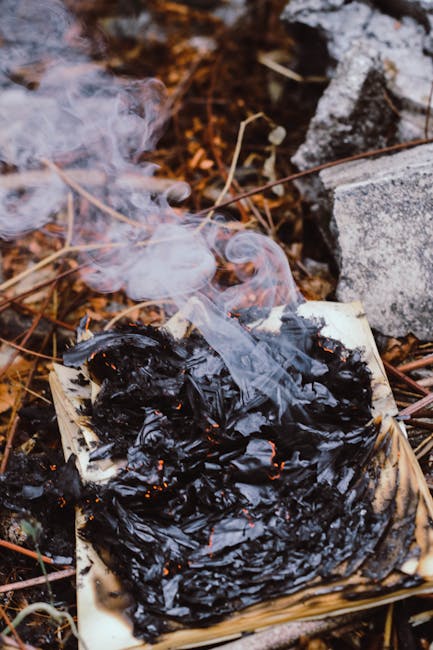
If you love grilling or using a fireplace, you probably end up with a pile of charcoal ashes. But do you know the safest and smartest way to get rid of them?
Throwing ashes away carelessly can cause problems like fires or damage to your garden. You’ll discover simple steps to dispose of charcoal ashes safely and even ways to reuse them around your home. Keep reading to protect your space and make the most out of your charcoal ashes!

Credit: ddrbbqsupply.com
Charcoal Ash Basics
Charcoal ash is the leftover material after burning charcoal. It contains minerals and can be useful if handled correctly. Knowing the types and uses helps you dispose of it safely.
Proper disposal avoids pollution and health risks. You can also recycle ashes for other purposes around your home or garden.
Types Of Charcoal Ash
Charcoal ash varies depending on the charcoal type and what was burned. Common types include lump charcoal ash and briquette ash.
- Lump Charcoal Ash:Made from natural wood pieces; usually has fewer additives.
- Briquette Ash:Comes from compressed charcoal and may contain binders and fillers.
- Mixed Ash:A combination of different charcoal ashes, often from multiple sources.
Common Uses For Ashes
Charcoal ashes can serve many purposes beyond waste. They are rich in minerals like calcium and potassium.
| Use | Description |
| Soil Amendment | Adds nutrients and improves soil pH for plants. |
| Compost Boost | Helps balance acidity and speeds up decomposition. |
| Odor Control | Absorbs smells in garbage bins and refrigerators. |
| Ice Melt | Provides traction and melts ice on walkways. |
| Pest Deterrent | Repels slugs and snails in gardens. |

Credit: ddrbbqsupply.com
Safety First
Disposing of charcoal ashes needs care and attention. Hot ashes can cause fires if handled wrong.
Always follow safety steps to avoid accidents and protect your home and garden.
Checking For Hot Embers
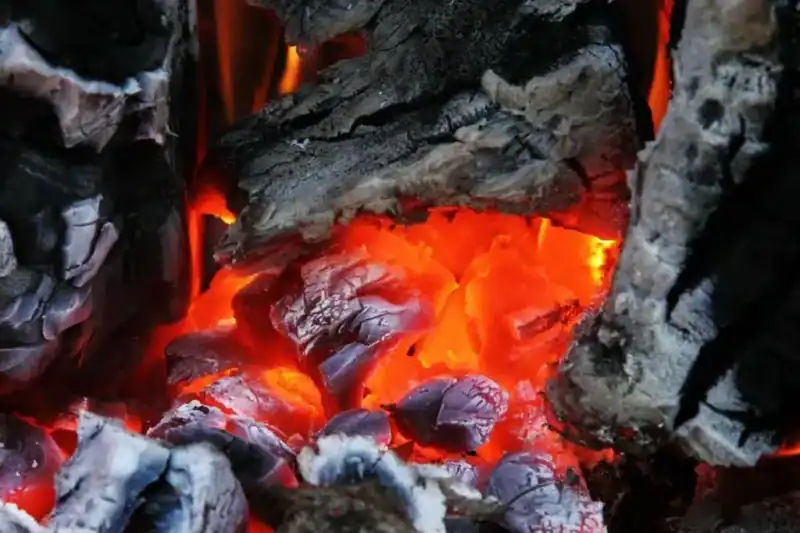
Before disposing, make sure ashes have no hot embers. Even small glowing pieces can start fires.
Look for any red or glowing spots by stirring the ashes gently with a metal tool.
- Wear heat-resistant gloves to protect your hands.
- Check ashes in a well-lit area.
- Do not touch ashes with bare hands.
Proper Cooling Techniques
Let ashes cool completely before moving them. This can take 24 to 48 hours depending on the amount.
Use safe methods to speed cooling and reduce fire risks during disposal.
- Spread ashes thinly on a metal tray or non-flammable surface.
- Add water slowly to soak ashes and stop any heat.
- Stir ashes after adding water to cool evenly.
- Keep ashes outside away from anything flammable while cooling.
Disposal Methods
Charcoal ashes come from burning charcoal in grills or fire pits. It is important to dispose of ashes safely. Improper disposal can cause fires or harm the environment.
This guide explains how to dispose of charcoal ashes using different methods. You will learn about trash disposal, composting, and garden use.
Trash Disposal Guidelines
Always make sure charcoal ashes are completely cool before throwing them away. Hot ashes can start fires in trash bins. Use a metal container to store ashes until they are cold.
- Wait at least 48 hours after burning before disposal.
- Place ashes in a metal container with a tight lid.
- Do not mix ashes with paper or plastic trash.
- Dispose of ashes in your regular trash only if local rules allow it.
- Check local waste management policies for special instructions.
Composting Charcoal Ash
Charcoal ash can be added to compost in small amounts. It helps add minerals like potassium and calcium. Avoid using ash from charcoal that contains chemicals or additives.
- Use only pure wood charcoal ash, no briquettes with chemicals.
- Add a thin layer of ash to your compost pile.
- Mix ashes well with other compost materials.
- Do not add too much ash to avoid changing compost pH.
Using Ash In The Garden
Charcoal ash can improve garden soil by raising pH and adding nutrients. Use it carefully on plants that like alkaline soil. Avoid using on acid-loving plants like blueberries.
| Plant Type | Use Ash? | Notes |
| Tomatoes | Yes | Helps reduce soil acidity |
| Blueberries | No | Prefers acidic soil |
| Roses | Yes | Improves nutrient availability |
| Azaleas | No | Soil should stay acidic |
Eco-friendly Practices
Disposing of charcoal ashes in an eco-friendly way helps protect the environment. Charcoal ashes are often overlooked but can be reused or recycled safely.
Using green methods reduces waste and supports sustainable living. This guide covers reducing waste and recycling ash materials.
Reducing Waste
Charcoal ashes can be a useful resource instead of trash. Avoid throwing ashes in the garbage or flushing them down drains. These actions cause pollution and waste valuable materials.
- Let ashes cool completely before handling
- Use ashes in your garden to improve soil quality
- Add ashes to compost piles for mineral enrichment
- Mix ashes with water to clean oily surfaces
- Store ashes in a metal container for later use
Recycling Ash Materials
Recycling charcoal ashes turns waste into useful products. Many industries can use ash by-products. You can also recycle ashes at home for practical uses.
| Recycling Method | Benefits |
| Use as garden fertilizer | Adds potassium and calcium to soil |
| Mix in compost | Improves compost nutrient balance |
| Use for cleaning | Natural abrasive and odor remover |
| Add to ice for traction | Eco-friendly alternative to salt |
Common Mistakes To Avoid
Disposing of charcoal ashes needs care. Many people make errors that cause safety or gardening problems.
This guide points out common mistakes to help you handle ashes safely and use them well around plants.
Disposing Of Hot Ash
Putting hot ash in the trash or near flammable materials is dangerous. It can start fires if not cooled properly.
- Do not throw ash away while it is still hot.
- Avoid using plastic or paper containers for hot ash.
- Never dump ash directly on dry grass or leaves.
- Keep ash away from wooden structures and flammable liquids.
- Wait at least 48 hours for ash to cool completely before disposal.
Using Ash Around Sensitive Plants
Charcoal ash can change soil pH and harm some plants. Using it incorrectly may damage sensitive species.
| Mistake | Effect on Plants | How to Avoid |
| Applying fresh ash directly | Burns roots and leaves | Let ash age before use |
| Using ash on acid-loving plants | Raises soil pH, causing nutrient issues | Do not apply to azaleas, blueberries, or rhododendrons |
| Spreading thick layers of ash | Blocks water and air flow | Use thin, light layers mixed with soil |
Credit: waster.com.au
Frequently Asked Questions
Can Charcoal Ashes Go In The Compost Bin?
Charcoal ashes should not be added to compost bins. They can alter the soil’s pH levels. Only use natural wood ash in compost. Avoid ashes from charcoal with additives or chemicals. Always ensure ashes are completely cool before disposal.
How To Safely Dispose Of Charcoal Ashes?
Ensure ashes are completely cool before disposal. Place them in a metal container with a tight lid. Avoid using plastic or paper bags. Check local regulations for specific disposal instructions. Some areas have specific guidelines for ash disposal.
Are Charcoal Ashes Good For The Garden?
Charcoal ashes can benefit gardens if used correctly. They can improve soil quality and deter pests. However, ensure they come from natural wood charcoal without additives. Use sparingly to avoid altering the soil’s pH balance.
Can You Reuse Charcoal Ashes For Grilling?
Reusing charcoal ashes for grilling is not recommended. Ashes lose their ability to generate heat. They can also contain impurities that may affect food flavor. Always use fresh charcoal for grilling to ensure optimal performance.
Conclusion
Disposing of charcoal ashes safely protects your home and environment. Always wait until ashes are completely cool before handling them. Use a metal container to store ashes temporarily. Avoid mixing ashes with regular trash or flammable materials. Consider using ashes in your garden to enrich soil.
Proper ash disposal prevents fires and keeps your space clean. Follow these simple steps for safe and easy ash disposal. Keep your home safe and enjoy your outdoor cooking responsibly. Clean habits make a big difference.