
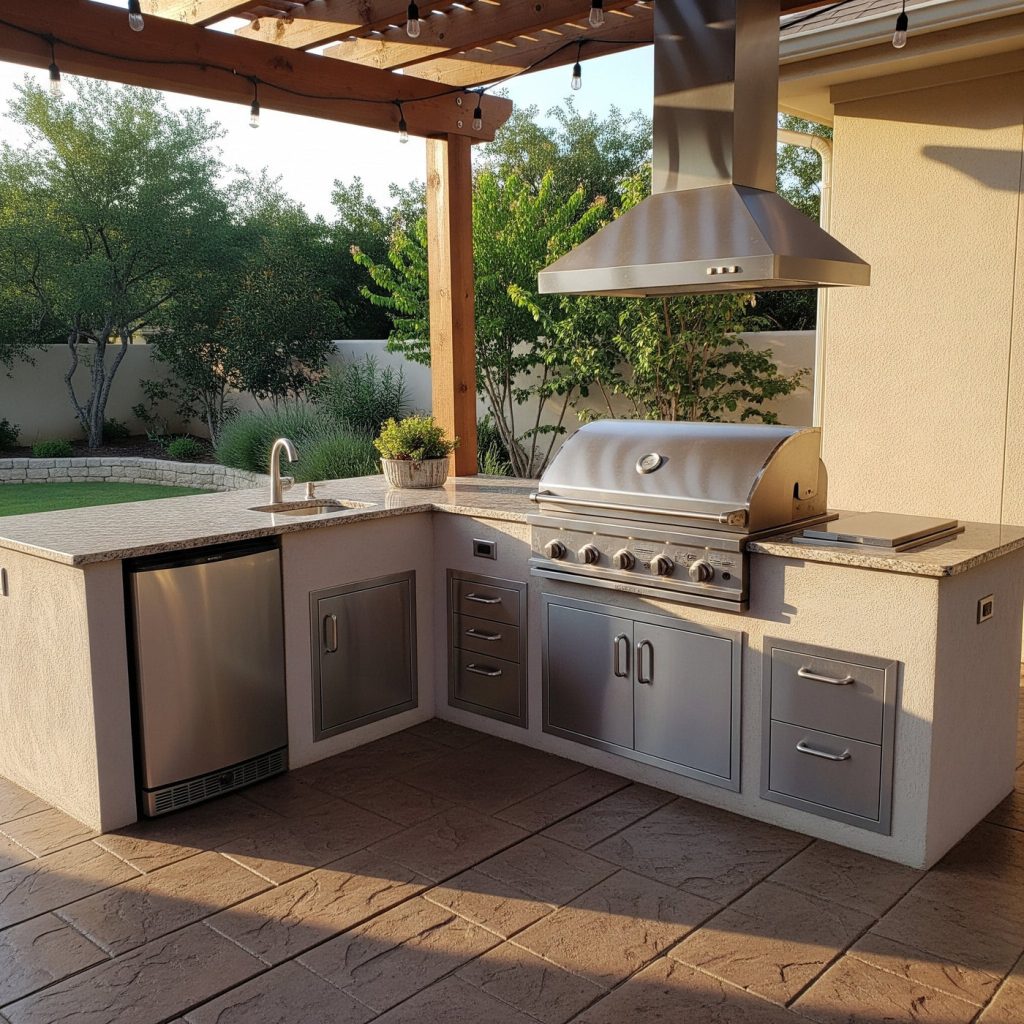
Have you ever wondered if your outdoor kitchen grill can actually overheat? It’s a question many grill lovers don’t think about—until something goes wrong.
Knowing how and why your grill might get too hot can save your food, your equipment, and even keep you safe. You’ll discover the key signs of overheating, what causes it, and simple tips to prevent it. Keep reading to protect your grill and enjoy perfect cookouts every time.

Credit: www.grillguys417.com
Causes Of Grill Overheating
Outdoor kitchen grills can get too hot for many reasons. Understanding these causes helps keep your grill safe.
Overheating can damage the grill and affect food quality. Let’s look at common reasons for grill overheating.
Fuel Type And Quality
The type and quality of fuel you use affects grill temperature. Poor fuel can cause uneven or excessive heat.
- Low-quality charcoal burns hotter and faster.
- Old propane tanks may leak or give inconsistent heat.
- Wet wood or charcoal produces more smoke and less heat.
Blocked Airflow
Airflow is key for proper grill temperature. Blocked vents or dirty burners trap heat inside.
| Cause | Effect on Grill |
|---|---|
| Clogged air vents | Reduces oxygen, causes heat buildup |
| Grease buildup | Blocks burners, creates hot spots |
| Wind direction | Can push heat back into grill body |
Excessive Heat Settings
Setting the grill too high can cause overheating. High heat is not always better for cooking.
- Using maximum flame for long periods raises grill temperature.
- Constantly adjusting knobs without monitoring heat causes spikes.
- Cooking thick foods at too high heat traps heat inside.
Poor Grill Maintenance
Dirty or worn parts reduce grill performance. This often leads to overheating problems.
- Grease buildup can flare up and increase heat quickly.
- Rusty or damaged burners burn unevenly and hot.
- Dirty grates block heat flow and cause hot spots.
Credit: www.grillersspot.com
Signs Of Overheating
Outdoor kitchen grills can get too hot if not used properly. Overheating can cause damage and affect cooking.
Knowing the signs of overheating helps you keep your grill safe and working well.
Warped Or Discolored Grates
Grates that are warped or discolored may mean your grill is too hot. High heat can bend metal parts.
Look for unusual shapes or colors on the grates after cooking.
Unusual Smells Or Smoke
Strong or strange smells from your grill can signal overheating. Smoke that is thicker or darker is also a warning.
These smells may come from burning grease or damaged parts inside the grill.
Flare-ups And Flames
Flare-ups happen when fat drips and causes sudden flames. Too many flare-ups can mean your grill is overheating.
Watch for large or frequent flames while cooking. This can damage food and the grill itself.
Temperature Fluctuations
If the grill temperature changes quickly or is hard to control, it may be overheating. Heat should be steady.
Check the temperature gauge often to spot unusual spikes or drops during cooking.
Risks Of Overheated Grills
Outdoor kitchen grills can get very hot during use. Overheating happens when grills stay too hot for too long.
Overheated grills create several risks that can harm people and property. Knowing these risks helps keep you safe.
Fire Hazards
High heat can cause grease and food residue to catch fire. Flames may spread beyond the grill area.
- Grease fires can quickly get out of control.
- Flammable materials near the grill may ignite.
- Strong winds can spread sparks and flames.
Damage To Grill Components
Excess heat can harm the grill’s parts. This damage reduces the grill’s lifespan and performance.
| Component | Damage from Overheating |
| Burners | Warping or cracking |
| Grill grates | Rust and metal fatigue |
| Control knobs | Melting or malfunction |
| Ignition system | Failure to light properly |
Food Safety Concerns
Overheated grills can burn food outside while leaving the inside undercooked. This can cause food poisoning.
- Uneven cooking risks harmful bacteria.
- Burnt food may produce toxic chemicals.
- High heat can dry out meats, reducing quality.
Personal Injury
Touching an overheated grill can cause serious burns. Hot grease splatters can also injure skin and eyes.
- Always use heat-resistant gloves when handling the grill.
- Keep children and pets away from the grill area.
- Do not leave the grill unattended while in use.
- Have a fire extinguisher nearby for emergencies.
Preventing Overheating
Outdoor kitchen grills can get very hot during use. Overheating can damage the grill or cause safety issues. Taking steps to prevent overheating keeps your grill working well.
Simple care and attention help avoid heat problems. Follow easy tips to keep your outdoor grill at the right temperature.
Regular Cleaning And Maintenance
Cleaning your grill regularly removes grease and food scraps. These can catch fire and cause the grill to overheat. Check parts for wear and replace if needed.
Keep burners and vents clear. Clean drip trays often. This helps heat spread evenly and stops flare-ups that raise temperature too high.
- Remove grease buildup
- Clean burner tubes and holes
- Empty and clean drip trays
- Inspect for damaged parts
Proper Ventilation
Grills need good airflow to control temperature. Without enough air, heat can build up inside the grill. This causes overheating and can be unsafe.
Keep vents open and clear of blockages. Place your grill in an open space with fresh air. Avoid tight spots where heat cannot escape easily.
- Do not block air vents
- Use grill outdoors in open areas
- Keep surrounding area clear of clutter
- Avoid windy spots that blow ash
Correct Fuel Usage
Use the right type of fuel for your grill. Too much fuel or the wrong fuel can cause high heat. Follow the manufacturer’s fuel recommendations.
Do not overfill gas tanks or charcoal baskets. Use clean, dry charcoal and approved propane tanks. Proper fuel keeps heat steady and safe.
- Use recommended fuel type only
- Fill fuel containers carefully
- Store fuel safely away from heat
- Replace old or damaged fuel parts
Monitoring Temperature
Check the grill’s temperature often while cooking. Use a built-in thermometer or a separate grill thermometer. This helps you avoid cooking at too high heat.
Adjust burners or fuel flow to keep the right temperature. Turn off the grill if it gets too hot. Watching the heat prevents damage and unsafe conditions.
- Use reliable temperature gauges
- Watch heat levels during cooking
- Adjust settings to control temperature
- Turn off grill if it overheats
Safe Grill Operation Tips
Outdoor kitchen grills can get very hot during use. It is important to follow safety tips to prevent accidents. Knowing how to handle your grill safely keeps you and others safe.
This guide shares easy steps to use your grill without danger. Each tip helps you avoid common risks like overheating and fire.
Setting Up Away From Flammables
Place your grill far from anything that can catch fire. Keep it away from dry leaves, wood, and fabric. This reduces the chance of a fire starting.
Also, do not put your grill under low tree branches or close to your house walls. Make sure the area around the grill is clear and open.
Using Heat-resistant Gloves
Wear heat-resistant gloves when handling hot grill parts. These gloves protect your hands from burns. Use them to move grill grates or adjust vents safely.
Choose gloves made for grilling that cover your wrists. Avoid using regular kitchen gloves as they may not resist heat well.
Keeping A Fire Extinguisher Nearby
Always have a fire extinguisher close to your grill. It helps control small fires before they spread. Check the extinguisher regularly to make sure it works.
Know how to use the extinguisher. In case of a fire, stay calm and act quickly to keep everyone safe.
Supervising While Cooking
Never leave your grill unattended while cooking. Stay close and watch the food and flames. This helps you react fast if something goes wrong.
Keep children and pets away from the grill area. Make sure no one bumps into the grill or hot surfaces.

Credit: www.bbqspitrotisseries.com.au
Handling Overheat Situations
Outdoor kitchen grills can get too hot during use. Knowing how to handle these heat issues is important for safety. This guide covers safe shutdown, cooling methods, and when to get expert help.
Overheating can cause damage or injuries. Acting quickly and correctly keeps you and your grill safe.
Shutting Down The Grill Safely
Turning off the grill properly reduces the risk of fire and damage. Follow these steps to shut down the grill safely.
- Close the lid to cut oxygen supply.
- Turn off all fuel valves or burners.
- Disconnect the gas supply if using propane.
- Wait for the grill to cool before cleaning.
Cooling Techniques
Cooling the grill fast helps avoid heat damage. Use safe methods to lower the temperature.
| Cooling Method | How to Use |
| Close the Lid | Traps heat, slows oxygen flow to reduce flames |
| Use Fans | Blow air around, not directly inside the grill |
| Remove Food | Prevents overcooking and lowers internal heat |
| Move Grill to Shade | Blocks sun heat, cools exterior faster |
| Avoid Water | Do not pour water; can cause flare-ups or damage |
When To Call Professionals
Some overheating problems need expert attention. Call professionals if you see these signs.
- Gas smell after shutdown
- Flames that do not go out
- Damaged or cracked grill parts
- Repeated overheating issues
- Burn marks or melted plastic near the grill
Frequently Asked Questions
Can Outdoor Kitchen Grills Overheat Easily?
Outdoor kitchen grills can overheat if not monitored properly. Factors like high ambient temperature and prolonged usage contribute. Regularly check the grill’s temperature gauge to prevent overheating. Ensure proper ventilation and avoid excessive grilling at high temperatures. Using heat-resistant materials around the grill can also help mitigate overheating risks.
What Causes Outdoor Grills To Overheat?
Several factors can cause outdoor grills to overheat, including improper ventilation and excessive grilling at high temperatures. Accumulated grease or debris can also restrict airflow, leading to overheating. Regular maintenance and proper grill placement can help manage and prevent overheating issues effectively.
How To Prevent Grill Overheating?
To prevent grill overheating, ensure proper ventilation and regular cleaning. Avoid grilling at excessively high temperatures for long periods. Keep the grill area clear of combustible materials. Regularly check and maintain the temperature gauge and grease traps. Proper positioning and maintenance are key to preventing overheating.
Is Grill Overheating Dangerous?
Yes, grill overheating can be dangerous. It increases the risk of fire hazards and can damage the grill. Overheating may also affect cooking results, making food unevenly cooked. Always monitor the grill’s temperature and take preventive measures to ensure safety while grilling.
Conclusion
Outdoor kitchen grills can overheat if not used carefully. Always watch the temperature and avoid leaving the grill on high heat for too long. Clean the grill regularly to keep it working well. Use proper tools and follow safety steps to prevent accidents.
Taking care of your grill helps it last longer and cook food better. Enjoy your outdoor cooking safely and with confidence.