
If you love grilling, you know how frustrating it is when food sticks to your charcoal grill grates. Oiling your grill grates is a simple step that can make a huge difference.
It helps prevent sticking, makes cleaning easier, and keeps your food tasting great. You’ll learn exactly how to oil your charcoal grill grates the right way. Follow these easy tips, and your next barbecue will be smoother and more enjoyable than ever.
Ready to become a grilling pro? Let’s get started!
Choosing The Right Oil
Oiling your charcoal grill grates helps prevent food from sticking. It also protects the grates from rust. Choosing the right oil is important for safety and flavor.
Different oils have different smoke points and tastes. Some oils work better on hot grills than others. Let’s explore key factors to consider.
High Smoke Point Oils
Oils with high smoke points can handle the heat of a charcoal grill. They do not burn or produce bad fumes easily. Use these oils for grilling.
- Canola oil (smoke point about 400°F)
- Peanut oil (smoke point about 450°F)
- Grapeseed oil (smoke point about 420°F)
- Avocado oil (smoke point about 520°F)
Flavor Considerations
Some oils add flavor to your grilled food. Others have a neutral taste. Pick an oil that matches the foods you cook.
| Oil Type | Flavor Profile |
| Olive oil | Fruity, slightly peppery |
| Sesame oil | Nutty and rich |
| Canola oil | Neutral, mild |
| Peanut oil | Light nutty |
Avoiding Sticky Residue
Some oils can leave sticky residue on your grill. This makes cleaning harder and can burn food. Choose oils that stay clean at high heat.
Tips to avoid sticky residue:
- Wipe off excess oil before heating the grill.
- Use oils with high smoke points.
- Reapply oil lightly after cooking if needed.
- Clean grates regularly to remove buildup.
Preparing The Grill Grates
Oiling grill grates helps prevent food from sticking. Before you oil, you need to clean the grates well. This makes sure the oil sticks evenly and protects the metal.
Proper preparation keeps your grill in good shape. It also helps your food cook better with a nice sear.
Cleaning Before Oiling
Start by heating the grill for about 10 minutes. This burns off leftover food and grease. Then, use a grill brush to scrub the grates. Make sure to clean both the top and bottom sides.
- Heat grill on high for 10 minutes
- Use a stiff wire brush to clean grates
- Remove all food particles and grease
- Wipe down with a damp cloth to clear residue
- Let the grates cool before oiling
Removing Rust And Debris
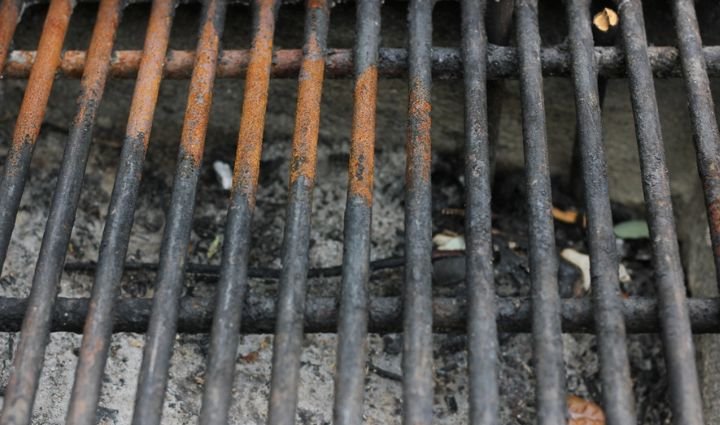
If your grates have rust, clean them carefully before oiling. Rust can affect the taste of food and damage the metal over time. Use a simple method to remove rust safely.
| Rust Removal Method | Tools Needed | Steps |
|---|---|---|
| Scrubbing with Vinegar | White vinegar, wire brush, cloth |
|
| Sanding | Fine sandpaper, cloth |
|
Safe Oiling Techniques
Oiling the grates on a charcoal grill helps stop food from sticking. It also protects the metal from rust. You must oil the grates safely to avoid accidents.
Use the right tools and timing to keep your grill clean and safe. This guide shows simple ways to oil your grill grates without flare-ups or burns.
Using A Cloth Or Brush
Use a clean cloth or a grill brush to apply oil. Avoid spraying oil directly on the hot grates. This lowers the risk of fires caused by dripping oil.
Dip the cloth or brush in cooking oil before spreading it on the grates. Wipe the grates evenly to cover all surfaces. Use oils with high smoke points like canola or vegetable oil.
- Choose a cloth that can hold oil well, like a paper towel or rag.
- Use a long-handled brush to keep your hands safe from heat.
- Apply oil gently to avoid drips and flare-ups.
Avoiding Flare-ups
Flare-ups happen when oil or fat catches fire on the grill. To avoid them, never pour oil directly on flames or hot coals. Use just enough oil to coat the grates.
Keep a spray bottle of water nearby to control small flames quickly. Always watch the grill closely after oiling. This helps stop fires before they spread.
- Do not over-oil the grates.
- Keep the grill lid open when oiling.
- Have a fire extinguisher or water ready.
Timing For Oiling
Oil the grates before heating the grill or after it cools slightly. Oiling cold grates lets you spread oil safely. Oiling after heating helps keep food from sticking.
Avoid oiling when the grill is very hot. This reduces smoke and flare-ups. Wait until the coals are glowing, then apply oil quickly and carefully.
- Oil grates before lighting the charcoal for easy cleaning.
- Or oil grates after heating and just before cooking.
- Never oil grates with open flames or very hot coals.

Credit: www.numberanalytics.com
Maintaining Oiled Grates
Oiling your charcoal grill grates keeps food from sticking. It also helps stop rust and keeps the grates clean. Regular care is key for a long-lasting grill.
Knowing how to keep your grates oiled during cooking and storage makes grilling easier. It also protects your grill from damage.
Reapplying Oil During Cooking
Heat and food can remove oil from the grates. You should add oil again to keep the surface slick. This helps food slide off and avoids burning.
- Use a high smoke point oil like canola or grapeseed.
- Dip a folded paper towel in oil and hold it with tongs.
- Rub the oily towel over the hot grates carefully.
- Do this every 30 minutes or after flipping food.
- Be careful not to use too much oil to avoid flare-ups.
Storage Tips For Grates
Proper storage stops rust and keeps your grates ready to use. Clean the grates first, then oil them lightly before putting them away.
| Storage Tip | Details |
|---|---|
| Clean Grates | Remove food bits and ash before storing. |
| Light Oil Coat | Apply a thin layer of cooking oil to protect metal. |
| Cover Grill | Use a grill cover to keep moisture out. |
| Store in Dry Place | Keep grill or grates in a dry area to prevent rust. |
Troubleshooting Common Issues
Oiling grates on a charcoal grill is key to a better cooking experience. It helps prevent food from sticking and makes cleaning easier.
This guide covers common problems you may face and how to fix them. Focus on these tips to improve your grilling results.
Preventing Sticking Food
Food sticks when grates are dirty or not oiled well. Proper oiling creates a smooth surface and protects your food.
- Clean the grates thoroughly before each use.
- Heat the grill to the right temperature before oiling.
- Use a high smoke point oil, like canola or vegetable oil.
- Apply oil with a cloth or brush carefully to avoid flare-ups.
- Let the oil heat for a few minutes before placing food.
Dealing With Excess Smoke
Too much smoke can come from excess oil or fat dripping. It affects flavor and can cause discomfort.
| Cause | Solution |
| Over-oiling grates | Use less oil and wipe off excess |
| Fat dripping on coals | Trim excess fat from meat |
| Using oily marinades | Pat meat dry before grilling |
| Wet charcoal or wood | Use dry fuel for cleaner burn |
Handling Flare-ups
Flare-ups happen when fat or oil catches fire. They can burn your food or cause safety issues.
Follow these tips to manage flare-ups:
- Keep a spray bottle of water nearby to control flames.
- Move food away from direct flames if flare-ups occur.
- Use lean cuts of meat or trim fat to reduce drips.
- Do not apply too much oil directly on the grill while cooking.
- Clean grill grates regularly to remove grease buildup.

Credit: www.smokedbbqsource.com
Enhancing Bbq Flavor
Oiling grates on a charcoal grill helps improve the taste of your barbecue. It prevents food from sticking and adds a subtle flavor.
Using the right oil technique can bring out the best in your grilled dishes. It also makes cleaning the grill easier.
Using Flavored Oils
Flavored oils add a unique taste to your grilled food. You can use oils infused with herbs, garlic, or spices.
Apply these oils on the grates before cooking to give your meat or vegetables a gentle aroma and flavor.
- Garlic-infused olive oil adds a rich, savory taste
- Rosemary or thyme oils provide a fresh herbal note
- Chili oil brings a mild spicy kick
Combining Oil With Marinades
Mixing oil with marinades helps keep food moist and flavorful. The oil forms a barrier to lock in juices.
Brush the oil-marinated mix on the grill grates or directly on the food before cooking for better taste and texture.
- Use olive oil with lemon and herbs for a fresh flavor
- Try sesame oil with soy sauce for an Asian touch
- Mix avocado oil with spices for a smooth, rich taste

Credit: flamery.co.uk
Frequently Asked Questions
How Often Should I Oil Grill Grates?
Oil grill grates before and after each use. This prevents food from sticking and maintains the grates. Regular oiling also protects the grates from rust. Use a high smoke point oil like canola or peanut oil. This routine ensures a longer lifespan for your grill grates.
What Type Of Oil Is Best For Grates?
Use oils with a high smoke point like canola or peanut oil. These oils withstand high temperatures without smoking. Olive oil is not recommended due to its lower smoke point. High smoke point oils prevent food from sticking and help maintain the grates’ condition.
Why Oil Grates On A Charcoal Grill?
Oiling grates prevents food from sticking and creates better grill marks. It also protects the grates from rust and corrosion. Properly oiled grates are easier to clean after use. This enhances your grilling experience and prolongs the life of your grill.
Can I Use Olive Oil On Grill Grates?
Olive oil is not recommended for grill grates. It has a low smoke point, which can cause smoking. Use oils like canola or peanut oil instead. These oils perform better at high temperatures. They help prevent food from sticking to the grates.
Conclusion
Oiling your charcoal grill grates keeps food from sticking and helps with cleaning. Use a high-smoke point oil and apply it carefully before cooking. Keep the grill hot to make the oil work best. Regularly oiling grates protects them from rust and extends their life.
A clean, oiled grill means better cooking and tastier meals. Simple steps lead to great results every time you grill. Enjoy your barbecue with less hassle and more flavor.