
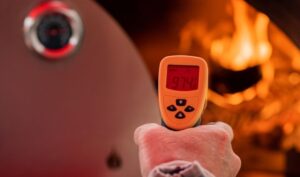
Is your gas grill refusing to heat up just when you’re ready to cook? It’s frustrating, right?
You’ve checked the propane, turned the knobs, but the flames won’t rise. Don’t worry—you’re not alone, and this problem is often easier to fix than you think. You’ll discover simple, step-by-step solutions to get your grill blazing hot again. Keep reading, and you’ll be back to grilling your favorite meals in no time.
Common Causes
A gas grill may not heat properly for several reasons. Knowing the common causes helps you fix it fast.
This guide covers the main issues that stop your grill from heating well. Check each part to find the problem.
Gas Supply Issues
Your grill needs a steady gas flow to heat up. If the gas supply is low or blocked, the grill won’t get hot.
Check if the gas tank is empty or the valve is closed. Sometimes the hose may have a leak or kink.
- Empty or low gas tank
- Closed or faulty gas valve
- Damaged or twisted gas hose
- Blocked gas regulator
Ignition Problems
The ignition system lights the gas to start the fire. If it fails, your grill won’t heat at all.
Ignition problems can happen if the battery is dead or the igniter button is broken. Dirt can also block sparks.
- Dead or missing igniter battery
- Broken igniter button or switch
- Dirty or worn spark electrode
- Poor connection inside ignition system
Clogged Burners
Burners spread the gas flame evenly. Dirt and grease can clog holes, causing weak or no heat.
Regular cleaning of burners prevents blockages. Look for rust or insect nests as well.
- Food residue blocking burner holes
- Grease buildup inside burners
- Rust or corrosion on burner surface
- Insect nests inside burner tubes
Thermocouple Malfunctions
The thermocouple senses heat and keeps gas flowing. If it breaks, the gas supply stops for safety.
Faulty thermocouples cause the grill to not stay lit or heat properly. They can wear out over time.
- Damaged thermocouple sensor tip
- Loose thermocouple connections
- Corrosion on thermocouple parts
- Thermocouple out of position near flame
Checking The Gas Supply
When your gas grill is not heating, the gas supply might be the problem. Checking it first can save time and effort.
Start by making sure the gas is flowing properly. This helps find the cause of the heating issue.
Inspecting The Propane Tank
Check if the propane tank has enough gas. An empty or low tank will stop your grill from heating.
Look for rust, dents, or leaks on the tank. Damaged tanks are unsafe and need replacement.
- Make sure the tank valve is fully open
- Check the tank’s gauge for gas level
- Replace the tank if it is empty or damaged
Examining Gas Connections
Gas connections must be tight and leak-free. Loose hoses or fittings block the gas flow.
Use soapy water on connections to find leaks. Bubbles mean gas is escaping and needs fixing.
- Check hose for cracks or holes
- Tighten all connection points
- Replace damaged hoses immediately
Testing Gas Flow
Test if gas flows to the burners. Blocked lines stop gas from reaching the grill.
Turn on the grill and listen for a hissing sound. No sound means gas is not flowing.
- Open the propane valve fully
- Light the grill according to instructions
- Check each burner for flame
- Clean or replace blocked burner tubes
Fixing Ignition Problems
Gas grills may not heat if the igniter is faulty. Ignition problems stop the gas from lighting up. Fixing these issues can get your grill working again.
This guide covers how to clean the igniter, replace spark modules, and use manual lighting techniques to solve ignition problems.
Cleaning The Igniter
Dirt and grease can block the igniter from sparking. Cleaning it often restores proper function. Use a soft brush or cloth to remove buildup.
Make sure to clean around the electrode and wires carefully. Avoid using water directly on electrical parts to prevent damage.
- Turn off the gas and power before cleaning
- Brush the igniter electrode gently
- Wipe wires and connections with a dry cloth
- Check for visible damage or corrosion
Replacing Spark Modules
If cleaning does not help, the spark module may be faulty. A broken spark module stops the igniter from creating sparks. Replacing it can fix ignition problems.
Find the exact replacement part for your grill model. Disconnect the old module and attach the new one carefully, following the instructions.
- Turn off gas and unplug the grill
- Remove the grill’s control panel
- Disconnect wires from the old spark module
- Install the new spark module and reconnect wires
- Test the igniter before fully assembling
Manual Lighting Techniques
If the igniter still does not work, you can light the grill manually. Use a long match or lighter to reach the burner safely.
Open the grill lid to avoid gas buildup. Turn on the gas and bring the flame close to the burner to ignite the gas.
- Open the grill lid before lighting
- Turn on the gas control knob
- Use a long match or lighter to light burner
- Keep your hand clear from flames
- Close the lid once the burner lights
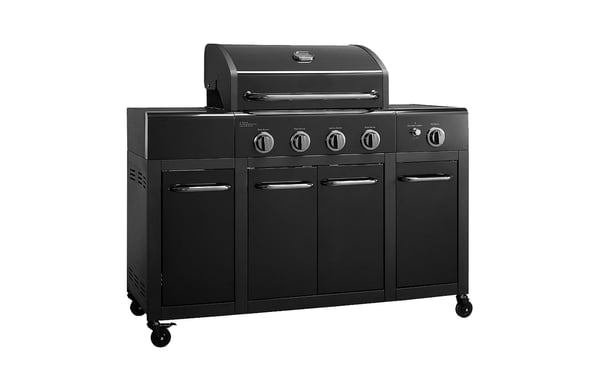
Credit: www.searspartsdirect.com
Cleaning And Maintaining Burners
Gas grill burners need regular cleaning to work well. Dirt and grease can block flames and stop heat.
Keeping burners clean helps your grill heat evenly and last longer. It also makes your food taste better.
Removing Blockages
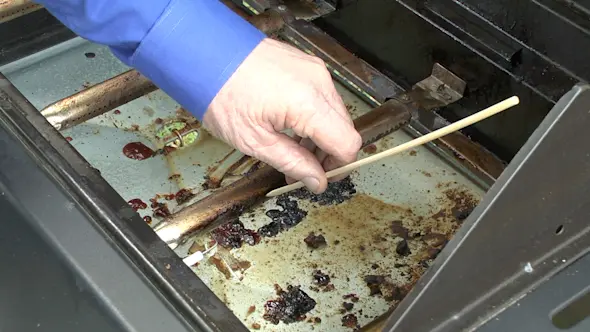
Blockages in burners stop gas flow and cause low heat. You can clear blockages using simple tools.
Start by turning off the gas and letting the grill cool. Use a wire brush or toothpick to clean burner holes.
- Remove debris from burner ports
- Clear spider webs or insect nests
- Check for rust or corrosion
- Use compressed air to blow out dirt
Using A Burner Cleaning Kit
Burner cleaning kits have special brushes and tools. These help clean hard-to-reach burner parts safely.
Use the kit according to instructions. It can remove grease, rust, and blockages better than regular tools.
- Choose a kit with wire brushes of different sizes
- Use a scraper for stuck-on grease
- Wear gloves to protect your hands
- Clean both inside and outside of burners
Regular Maintenance Tips
Regular cleaning keeps burners in good shape and prevents problems. Make cleaning part of your grill routine.
Check burners before each use. Remove food spills and grease after grilling. Store the grill covered to avoid dirt.
- Clean burners every few uses
- Inspect for cracks or rust monthly
- Keep burner holes free of debris
- Use a grill cover to protect from weather
- Replace damaged burners promptly
Addressing Thermocouple Issues
The thermocouple is a small safety device in your gas grill. It senses the pilot light and controls gas flow.
If the grill is not heating, the thermocouple might be the problem. Checking and fixing it can restore heat.
Testing The Thermocouple
To test the thermocouple, first turn off the gas and remove the grill’s control panel. Find the thermocouple near the burner.
Use a multimeter set to millivolts to check if it produces a small voltage when heated. A weak or zero reading means it may be faulty.
- Turn off gas supply before starting
- Remove control panel for access
- Locate thermocouple near burner
- Heat the thermocouple tip with a lighter
- Measure voltage with a multimeter
- Check for voltage between 25-35 millivolts
Adjusting Or Replacing Parts
If the thermocouple is dirty, clean it with fine sandpaper. Dirt can stop it from sensing the flame properly.
If cleaning does not help, adjust the thermocouple so the flame touches its tip. Tighten or loosen the bracket to fit.
Replace the thermocouple if it still does not work after cleaning and adjusting. Use the exact model for your grill.
- Clean thermocouple tip gently
- Adjust position near pilot flame
- Tighten mounting bracket securely
- Replace with the correct thermocouple if faulty
- Test the grill after repairs

Credit: www.searspartsdirect.com
Additional Quick Fixes
If your gas grill is not heating properly, some quick checks can help fix the problem. These fixes often save time and money.
Look at parts like the regulator, control valves, and grill vents. Small issues there can stop your grill from heating well.
Checking Regulator Function
The regulator controls gas flow to your grill. If it is faulty, the grill may not heat up.
Check if the regulator is stuck or frozen. Sometimes, warm the regulator by holding it in your hands or placing it in warm water.
- Turn off the gas supply
- Disconnect the regulator from the tank
- Warm the regulator gently for a few minutes
- Reconnect and try lighting the grill again
Inspecting Control Valves
Control valves let you adjust the flame size. Dirt or damage can block gas flow and reduce heat.
Look for dirt or rust on the valves. Clean the valves with a brush and check for smooth operation.
- Turn off the gas and grill
- Remove knobs and clean around valves
- Check if valves turn smoothly without resistance
- Replace damaged valves if needed
Ensuring Proper Grill Ventilation
Good ventilation helps gas burn correctly. Blocked vents can cause weak flames or no heat.
Clear any debris or spider webs from the vents. Make sure air flows freely through the grill.
- Check vents on the side and bottom of the grill
- Use a brush or compressed air to clear blockages
- Keep the grill lid open when lighting
- Avoid placing the grill too close to walls or fences
Credit: www.searspartsdirect.com
Frequently Asked Questions
Why Is My Gas Grill Not Heating Properly?
If your gas grill isn’t heating properly, check for a clogged burner or venturi tubes. Ensure the gas tank is full and the regulator is functioning. A faulty ignition system can also cause heating issues. Regular maintenance and cleaning can prevent these common problems and enhance grill performance.
How Do I Clean A Gas Grill Burner?
To clean a gas grill burner, first, turn off the gas supply. Remove the burner and scrub with a wire brush to remove debris. Rinse with warm, soapy water and dry thoroughly. Regular cleaning ensures optimal performance and prevents blockages that can affect heating.
What Causes Uneven Heating On A Gas Grill?
Uneven heating on a gas grill can be caused by clogged burners or improper gas flow. Check for obstructions and ensure burners are clean. Also, verify that the grill is on a level surface. Regular maintenance can prevent these issues and ensure even cooking.
How Do I Reset A Gas Grill Regulator?
To reset a gas grill regulator, turn off the gas at the tank. Disconnect the hose and wait a few minutes. Reconnect and turn the gas on slowly. This can resolve pressure issues affecting heating. Regularly check the regulator for any faults or damage.
Conclusion
Fixing a gas grill that won’t heat can save your cookout. Check the gas supply first. Clean the burners and make sure the connections are tight. Test the igniter and replace it if needed. Regular grill care helps avoid future problems.
Small steps can bring your grill back to life. Enjoy better cooking with a warm, working grill. Keep your grill ready for every BBQ season. Simple fixes make outdoor cooking fun again.