

Want to get the most out of your small grill? You might think a bigger grill means better heat, but that’s not always true.
With the right tricks, you can boost your grill’s temperature and cook like a pro. Imagine searing juicy steaks, perfectly charred veggies, and smoky flavors—all from your compact setup. In this post, you’ll discover simple, effective ways to maximize heat on your small grill.
Keep reading to unlock secrets that will transform your grilling game and impress everyone at your next cookout.
Choose The Right Grill
Picking the right grill is key to get the most heat from a small grill. A good grill fits your cooking style and space.
Small grills can still reach high temperatures if you choose wisely. Let’s look at important factors to consider.
Gas Vs Charcoal Options
Gas grills heat up fast and are easy to control. You can adjust the flame with a knob.
Charcoal grills take longer to heat but give a smoky flavor. You can add more charcoal for higher heat.
- Gas grills offer steady heat and quick startup
- Charcoal grills provide intense heat and smoky taste
- Gas is cleaner and easier to manage
- Charcoal requires more time and care
Size And Portability Matters
Small grills save space and are easy to move. This is good for small patios or camping trips.
Look for grills with compact designs but good cooking surface. Portability helps you take the heat anywhere.
- Smaller grills heat up faster due to less air flow
- Portable grills often have foldable or removable parts
- Choose a size that fits your cooking needs without waste
- Lightweight grills are easy to carry and store

Credit: www.ice.edu
Use Quality Fuel
Good fuel helps small grills reach and keep high heat. It makes cooking faster and tastier.
Choosing the right fuel type matters for your grill’s performance. Quality fuel burns cleaner and longer.
Best Charcoal Types
Charcoal is a popular choice for small grills. Pick charcoal that lights quickly and burns hot.
- Lump charcoal burns hotter and produces less ash.
- Charcoal briquettes burn steadily and last longer.
- Natural hardwood charcoal adds better flavor to food.
- Avoid charcoal with fillers or chemicals for cleaner heat.
Optimal Propane Tips
| Tip | Details |
| Check Tank Pressure | Keep propane tank full for steady heat. |
| Use Quality Regulators | Ensure gas flow is stable and safe. |
| Preheat Grill | Turn on propane and let grill warm for 10 minutes. |
| Clean Burners | Remove clogs to maintain even flame. |
Master Airflow Control
Controlling airflow is key to getting the most heat from a small grill. Airflow affects how hot your fire gets and how well it burns.
Learning to adjust vents and dampers lets you manage temperature and cook food better. This guide covers simple ways to control airflow.
Adjusting Vents For Heat
Vents let air enter and leave the grill. Opening vents increases airflow and raises the temperature. Closing vents lowers airflow and cools the fire.
- Start with all vents open to get the fire going.
- Once hot, close vents slightly to keep steady heat.
- Adjust vents slowly; small changes affect temperature a lot.
- Use top vents to control smoke and heat exit.
- Bottom vents bring in oxygen to feed the fire.
Using Dampers Effectively
Dampers help fine-tune airflow inside the grill. They work like vents but can be adjusted more precisely.
| Dampers Position | Effect on Heat |
| Fully Open | Maximum airflow, highest heat |
| Half Open | Moderate airflow, steady heat |
| Mostly Closed | Low airflow, lower heat |
| Fully Closed | Almost no airflow, fire may die |
Preheat Properly
Preheating your small grill sets the stage for even cooking. It helps reach the right temperature before you start grilling.
Taking time to preheat makes your food cook faster and taste better. Let’s look at how to time your heat up and why it matters.
Timing Your Heat Up
Start your grill and close the lid to trap heat inside. This helps the grill warm up quicker.
Most small grills need about 10 to 15 minutes to reach high heat. Use a grill thermometer if you have one.
- Turn on all burners or coals at once
- Keep the lid closed during preheating
- Check temperature after 10 minutes
Why Preheating Matters
Preheating ensures your grill is hot enough to cook food evenly. It also prevents sticking and helps sear meats well.
Without proper preheating, food may cook unevenly or take longer. It can also cause flare-ups from fat drips.
- Preheated grill locks in juices
- Reduces cooking time
- Creates nice grill marks
- Improves food safety by reaching correct heat
Organize Coals Strategically
Organizing coals well helps you get the most heat from a small grill. It lets you cook food evenly and faster.
You can control the fire by placing coals in certain ways. This gives you good cooking zones for different foods.
Direct Vs Indirect Heat Zones
Direct heat means placing food right above the coals. It cooks food fast and is good for searing.
Indirect heat means placing food away from the coals. It cooks food slower and is good for larger cuts.
- Direct zone: coals spread evenly under food
- Indirect zone: coals piled to one side
- Use direct for steaks or burgers
- Use indirect for chicken or ribs
Stacking Techniques For Intense Heat
Stacking coals creates a hot core that lasts longer. It gives more intense heat for grilling.
One way is the chimney stack. It uses a tall pile to keep coals hot inside and burn slowly.
- Make a small pile of coals in the center
- Add more coals on top to build height
- Let ash fall to the bottom for airflow
- Use a grill grate close to the coals
Maintain Grill Cleanliness
Keeping your small grill clean helps it work better. Dirt and ash block heat. Regular cleaning keeps the heat strong and steady.
A clean grill also lasts longer. It stops rust and buildup that can damage parts. Take time to clean after each use.
Removing Ash And Debris
Clear ash and leftover debris from your grill after cooking. Ash can cover the fire and lower heat. Removing it keeps air flowing well.
- Wait until the grill cools completely.
- Use a scoop or small shovel to remove ash.
- Dispose of ash safely in a metal container.
- Brush out any leftover bits inside the grill.
- Check vents and clean if blocked.
Cleaning Grates For Better Heat
Dirty grates block heat and cause food to stick. Clean grates allow heat to reach your food evenly. This improves cooking results.
| Method | Description | Tools Needed |
| Wire Brush | Scrape off food particles and grease. | Wire brush, gloves |
| Soaking | Soak grates in warm soapy water to loosen grime. | Container, dish soap |
| Rinse & Dry | Rinse grates well and dry to prevent rust. | Water, towel |
Use Heat Retention Tools
Small grills can lose heat quickly. Using heat retention tools keeps the temperature steady. This helps cook food evenly and faster.
These tools trap heat inside the grill. They prevent heat from escaping and make the grill work better.
Heat Deflectors
Heat deflectors sit between the flame and the food. They spread heat evenly across the grill surface. This stops hot spots and burning.
Deflectors also help trap heat around the cooking area. This creates a steady cooking temperature on small grills.
- Made from ceramic or metal
- Protect food from direct flames
- Keep heat circulating inside the grill
- Help cook food slowly and evenly
Plates Covering To Trap Heat
Plates placed over burners block heat from escaping. They reflect heat back toward the food. This raises the temperature inside the grill.
These plates also catch drippings, reducing flare-ups. They keep heat steady and protect the burners on small grills.
- Usually made of metal or cast iron
- Cover the grill burners
- Trap heat for better cooking
- Reduce flare-ups from dripping fat

Credit: www.popularmechanics.com
Optimize Cooking Techniques
Maximizing heat on a small grill helps cook food evenly and faster. Using smart techniques makes the most of limited space and heat.
Focus on how you time cooking and place food. Also, use tools like foil and skewers to control heat and protect your food.
Timing And Placement Tips
Place thicker foods near the hottest parts of the grill. Thin or delicate items go where the heat is lower.
- Preheat your grill for 10 to 15 minutes.
- Put dense foods like steaks or chicken close to the fire.
- Move quicker-cooking items like vegetables to cooler spots.
- Rotate food to cook evenly and avoid burning.
- Use the grill lid to hold in heat and speed cooking.
Using Foil And Skewers
Foil wraps keep heat close and help steam food. Skewers let you cook small pieces evenly and handle them easily.
| Tool | Use | Benefit |
| Foil | Wrap vegetables or fish | Locks in moisture, prevents burning |
| Metal Skewers | Thread meat or veggies | Even heat, easy to turn |
| Bamboo Skewers | Soak before use | Prevents burning, holds food well |
Monitor Temperature Accurately
Keeping the right temperature on a small grill is key to cooking food well. You must watch the heat closely to avoid burning or undercooking.
Using the right tools helps you measure the temperature better. This way, you can keep the grill hot enough for your food.
Best Thermometer Types
Choosing a good thermometer helps you know the exact heat inside the grill. Different types suit different needs.
- Digital Thermometers:Give quick and accurate readings. Easy to use for most grills.
- Probe Thermometers:Insert into the food or grill to check temperature without opening the lid.
- Infrared Thermometers:Measure surface temperature from a distance. Good for checking grill hot spots.
- Dial Thermometers:Classic style, often built into the grill lid. Less accurate but useful for a quick check.
Adjusting Heat Mid-cook
It is important to change the heat while cooking to keep food safe and tasty. Watch the thermometer to know when to adjust.
Close or open vents on your grill to control airflow. More air increases heat, less air lowers it. Move food away from hot spots if needed.
- Check temperature often during cooking
- Adjust vents to raise or lower the heat
- Move food to cooler or hotter parts of the grill
- Use a water pan to add moisture and control heat
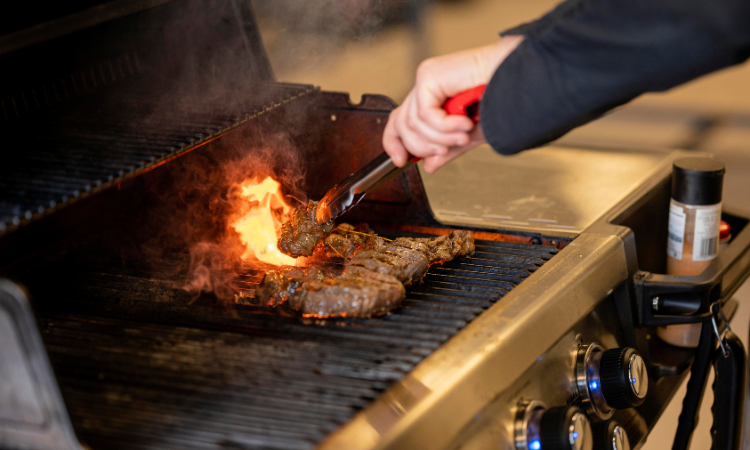
Credit: www.appliancesdirect.co.uk
Frequently Asked Questions
How Can I Increase Heat On A Small Grill?
To increase heat, use high-quality charcoal or briquettes. Arrange coals closely for concentrated heat. Preheat the grill fully before cooking. Close the lid to trap heat and enhance temperature.
What Grill Setup Maximizes Heat On Small Grills?
Use a two-zone setup with one side having more coals. This allows direct high heat on one side and indirect heat on the other. It helps in controlling cooking temperature efficiently.
Which Fuels Work Best For Maximum Heat On Small Grills?
Charcoal briquettes and lump charcoal produce the highest heat. Avoid using wood chips alone, as they burn cooler. Combining briquettes with wood chunks can add flavor without losing heat.
How Does Airflow Affect Heat On A Small Grill?
Proper airflow boosts heat by feeding oxygen to the fire. Keep vents open but not fully wide to maintain steady heat. Adjust vents to control temperature and avoid flare-ups.
Conclusion
Maximizing heat on a small grill requires smart techniques. Use the right fuel. Arrange it properly for even heat. Keep the grill clean to avoid heat loss. Use a lid to retain heat. Preheat the grill before cooking. This ensures better results.
Check and adjust air vents for proper airflow. Practice these tips regularly. They help you grill efficiently. Enjoy tasty meals with your family. Grilling can be fun and simple. With a little patience, you can master the small grill. Happy grilling!