
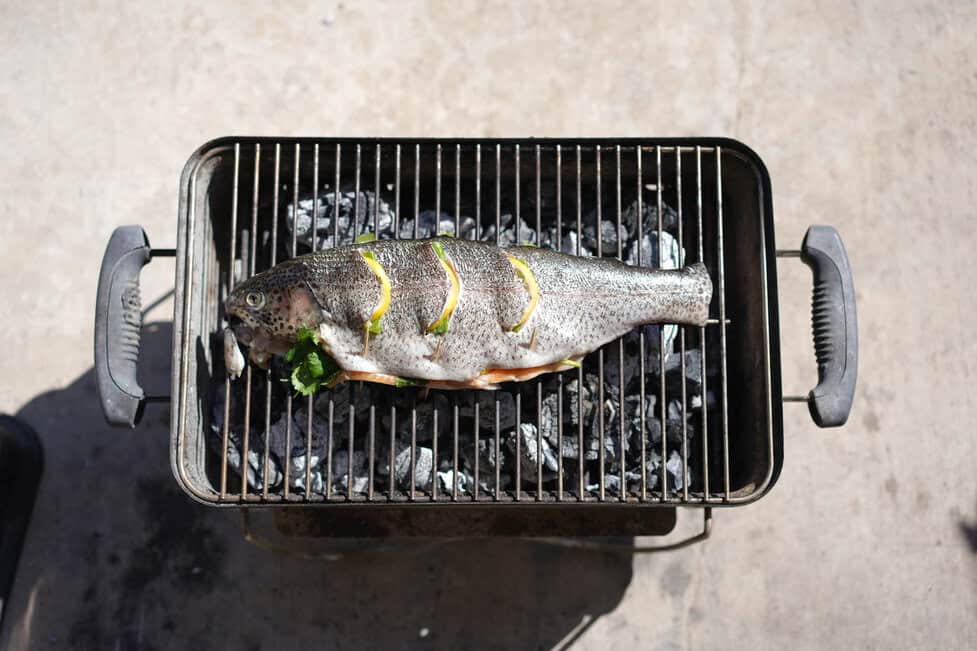
Have you ever wondered if you can grill fish on a portable gas grill? If you love fresh, flavorful fish but think grilling it outdoors is complicated, you’re not alone.
The truth is, your portable gas grill can be the perfect tool to cook delicious fish quickly and easily. Imagine biting into juicy, smoky fish right from your own backyard or campsite. Stick with me, and I’ll show you how to master grilling fish on your portable gas grill, so your next meal is tasty and stress-free.
Ready to impress yourself and your guests? Let’s dive in!
Choosing The Right Fish
Grilling fish on a portable gas grill can be fun and tasty. Picking the right fish makes a big difference. Some fish hold up better on the grill than others.
Understanding which fish to use helps you avoid breaking or sticking. It also improves the flavor and texture of your grilled fish.
Best Fish Types For Grilling
Thicker and firmer fish are the best for grilling. They stay together and do not fall apart easily. Fish with a mild flavor work well with many seasonings.
- Salmon – rich and firm, cooks evenly
- Tuna – thick steaks, great for searing
- Halibut – mild taste, holds shape well
- Mahi-Mahi – firm texture, slightly sweet
- Snapper – tender but sturdy
- Trout – flavorful and firm
Fresh Vs. Frozen Fish
Fresh fish tastes great but can be harder to find. Frozen fish is easy to store and often just as good. Both types can work well on a grill.
Choose fish that smells clean and not fishy. Thaw frozen fish slowly in the fridge. This keeps the texture better for grilling.

Credit: www.hungryhuy.com
Preparing Your Portable Gas Grill
Grilling fish on a portable gas grill can be easy and fun. Before cooking, you must prepare your grill well. Good preparation helps cook the fish evenly and prevents sticking.
Focus on cleaning the grill and setting the right temperature. These steps keep your food tasty and safe to eat.
Cleaning And Preheating
Start by cleaning your grill grates. Remove old food and grease to avoid flare-ups. Use a grill brush or a cloth for cleaning. After cleaning, preheat the grill. This helps kill bacteria and prepares the surface for cooking.
- Turn on the grill and close the lid.
- Heat for about 10 to 15 minutes.
- Check that the grates are hot before adding fish.
- Use a little oil to lightly grease the grates if needed.
Setting The Temperature
Set your portable gas grill to medium heat for fish. Too hot can burn it, too low will not cook it well. Different fish types may need slight changes in temperature.
| Fish Type | Recommended Grill Temperature |
| Salmon | 350°F to 400°F |
| Tilapia | 325°F to 375°F |
| Trout | 350°F |
| Tuna | 400°F |
Prepping Fish For The Grill
Grilling fish on a portable gas grill can be simple and tasty. Preparing the fish well helps it cook evenly and taste great.
Before you start grilling, take time to get the fish ready. This step makes the grilling process easier and avoids problems.
Marinating And Seasoning
Marinating fish adds flavor and keeps it moist. Use simple ingredients like lemon, herbs, and spices for best results.
Seasoning fish with salt and pepper helps bring out its natural taste. Do this right before grilling to avoid drawing out too much moisture.
- Use fresh herbs like dill, parsley, or thyme
- Add citrus juice for brightness
- Keep marinades short, about 15-30 minutes
- Season fish lightly with salt and pepper
Using Oil To Prevent Sticking
Applying oil to fish or grill grates stops fish from sticking. Use oils with high smoke points like canola or vegetable oil.
Brush a thin layer of oil on the fish or grill before cooking. This helps keep the fish intact and makes flipping easier.
- Use a clean brush or paper towel to apply oil
- Oil the grill grates when preheating
- Lightly oil the fish surface before placing it on the grill
- Avoid using too much oil to prevent flare-ups
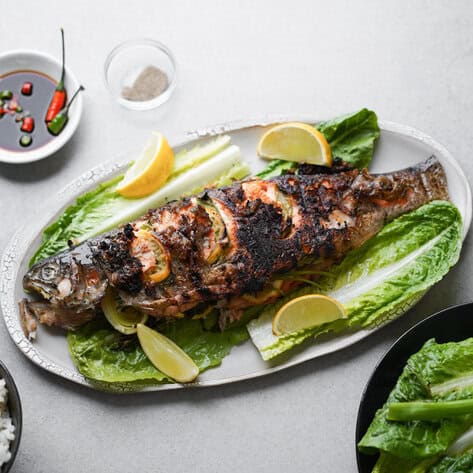
Credit: www.hungryhuy.com
Grilling Techniques For Success
Grilling fish on a portable gas grill can be simple and tasty. The right techniques help keep fish moist and flavorful. Choosing the heat method and tools is important for good results.
This guide covers two key techniques: direct vs. indirect heat and using foil or grill baskets. These tips make grilling easier and prevent fish from sticking or falling apart.
Direct Vs. Indirect Heat
Direct heat means placing fish right over the flame. It cooks fish fast and gives grill marks. Use direct heat for firm fish like salmon or tuna. Watch closely to avoid burning.
Indirect heat cooks fish away from the flame. It is slower and gentler. Use indirect heat for delicate fish or thick cuts. This method helps keep fish juicy and tender.
- Preheat grill and clean grates.
- For direct heat, place fish on hot side of grill.
- For indirect heat, turn off one burner and place fish on that side.
- Close lid to keep even temperature.
- Check fish often to avoid overcooking.
Using Foil Or Grill Baskets
Foil and grill baskets help protect fish from falling apart. They also make cleanup easier. Use them especially for small or flaky fish.
| Tool | Benefits | Best For |
| Foil | Locks moisture, easy to season | Delicate fillets, herbs, lemon slices |
| Grill Basket | Keeps fish stable, flips easily | Whole fish, multiple pieces |
Wrap fish in foil with herbs or marinade before grilling. Place basket on grill and add fish inside. Both tools reduce fish sticking to grates and make grilling safer.
Avoiding Common Mistakes
Grilling fish on a portable gas grill is a great way to enjoy fresh flavors. Many people make avoidable mistakes that spoil the fish. Learning the right methods can help you get better results every time.
This guide covers two important areas: overcooking tips and handling delicate fish. Follow these tips to keep your fish tasty and perfectly cooked.
Overcooking Tips
Overcooked fish becomes dry and tough quickly. It is important to watch the cooking time closely. Use a thermometer or check the texture to avoid overcooking.
- Preheat the grill to medium heat before placing the fish.
- Cook fish for 3 to 5 minutes per side depending on thickness.
- Check fish for flakiness with a fork to test doneness.
- Remove fish from heat as soon as it flakes easily.
- Let fish rest off the grill for a few minutes before serving.
Handling Delicate Fish
Delicate fish like tilapia or sole need gentle care on the grill. They can break apart or stick easily if not handled properly. Use these tips to keep the fish intact and flavorful.
| Tip | Description |
|---|---|
| Oil the grill grates | Brush the grates with oil to prevent sticking. |
| Use a fish basket | Place fish in a basket for easier flipping and handling. |
| Flip carefully | Use a wide spatula and turn fish gently once during cooking. |
| Keep skin on | Grill fish with skin to hold it together and add flavor. |
| Cook over medium heat | Avoid very high heat to reduce risk of burning or breaking. |
Serving And Pairing Ideas
Grilling fish on a portable gas grill creates tasty meals. Serving and pairing your grilled fish right makes it even better.
Simple garnishes and side dishes add flavor and balance. They help highlight the natural taste of the fish.
Simple Garnishes
Fresh garnishes brighten grilled fish and add fresh notes. They also make the plate look inviting and colorful.
- Fresh lemon wedges add a zesty touch
- Chopped parsley or cilantro offers a fresh, green flavor
- Thin slices of red onion add a mild sharpness
- A drizzle of extra virgin olive oil enhances richness
- Capers add a salty, tangy punch
Complementary Side Dishes
Choose side dishes that balance the lightness of fish. Vegetables and grains are great choices.
- Grilled asparagus or zucchini with a light seasoning
- Steamed or roasted baby potatoes with herbs
- A simple green salad with a lemon vinaigrette
- Rice pilaf or quinoa for a mild, nutty flavor
- Fresh bread or garlic bread to soak up juices
Maintenance After Grilling
Cleaning and storing your portable gas grill properly keeps it working well. Good care helps you grill fish safely next time.
After grilling, take time to clean and store the grill. This prevents rust and damage.
Cleaning The Grill Grates
Clean grill grates right after cooking while they are still warm. This makes it easier to remove food bits.
Use a grill brush or scraper to clean the grates. Avoid using harsh chemicals that can harm the grill.
- Turn off the grill and let grates cool slightly
- Scrub grates with a grill brush to remove food
- Wipe grates with a damp cloth to clear ash and grease
- Apply a light coat of cooking oil to prevent rust
Storing Your Portable Grill
Store your portable grill in a dry, sheltered place to protect it from weather. This keeps parts from rusting.
If you can, cover the grill with a fitted grill cover. This stops dust and moisture from building up.
- Turn off and disconnect the gas supply
- Let the grill cool completely before storing
- Cover the grill with a weatherproof cover
- Keep the grill in a garage or shed if possible

Credit: www.treelinereview.com
Frequently Asked Questions
Can You Use A Portable Gas Grill For Fish?
Yes, you can grill fish on a portable gas grill. It’s a convenient way to enjoy grilled fish outdoors. Ensure the grill is clean and preheated. Use a non-stick spray or oil to prevent sticking. Cook the fish over medium heat for the best results.
What Type Of Fish Is Best For Grilling?
Firm fish like salmon, tuna, and swordfish are ideal for grilling. They hold up well and don’t fall apart easily. Thicker fillets or steaks are better suited for grilling. Ensure they are fresh and properly seasoned for the best flavor.
How Do You Prevent Fish From Sticking On The Grill?
To prevent sticking, preheat the grill and oil the grates. Use a fish basket or non-stick spray. Alternatively, you can place the fish on aluminum foil. Cooking fish with the skin on also helps in preventing sticking and adds flavor.
How Long Should You Grill Fish On A Portable Grill?
Grill fish for 8-10 minutes per inch of thickness. Turn it halfway through the cooking time. Cook until the fish is opaque and flakes easily with a fork. Avoid overcooking to ensure the fish remains moist and flavorful.
Conclusion
Grilling fish on a portable gas grill is easy and fun. You just need the right tools and a little practice. Fish cooks quickly, so watch it closely to avoid burning. Portable grills make outdoor cooking simple anywhere you go.
Try different fish types to find your favorite taste. Enjoy fresh, healthy meals with minimal effort. This method suits beginners and experts alike. Give it a shot and enjoy great flavors outdoors.