
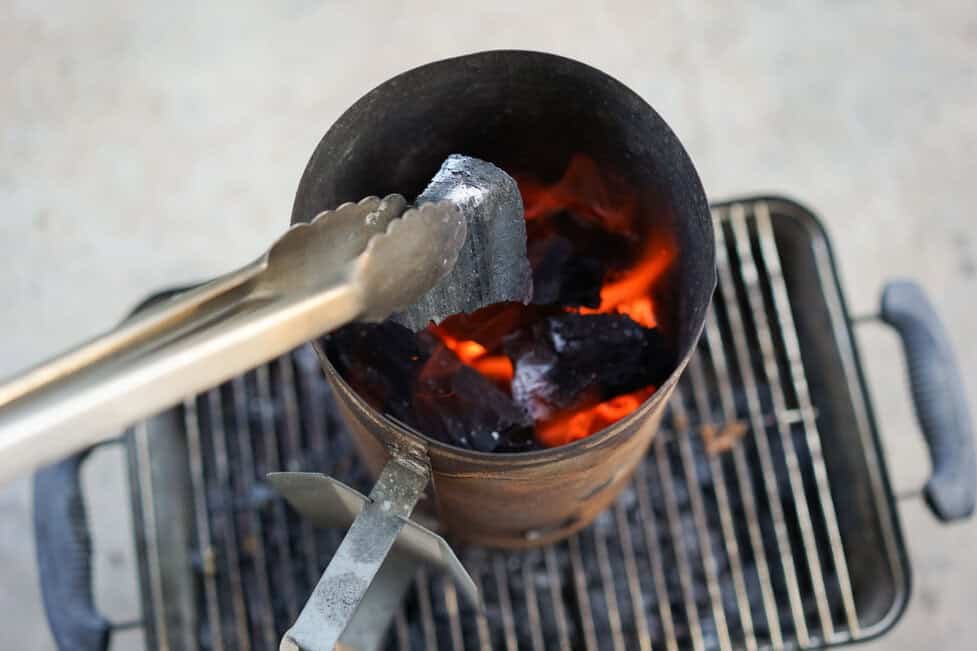
Have you ever wondered if you can add charcoal while cooking to boost flavor or speed up the process? If you’re someone who loves grilling or outdoor cooking, this question might have crossed your mind more than once.
Understanding the right way to use charcoal can change the way you cook, making your meals tastier and your experience safer. Keep reading to discover the best practices, common mistakes, and surprising tips that will help you master cooking with charcoal like a pro.
Your next cookout could be your best one yet!
Adding Charcoal Mid-cook
Adding charcoal while cooking helps keep the heat steady. It ensures your food cooks evenly without losing temperature.
You can add charcoal during cooking safely. Doing it right keeps your grill hot and ready for the next step.
When To Add More Charcoal
Add more charcoal when the heat drops too low. This keeps your grill at the right cooking temperature.
Adding charcoal early helps avoid long cooking times. It keeps the fire strong and steady for the whole cook.
- If the grill feels cooler than usual
- When cooking slow and low for hours
- Before starting the last part of cooking
Signs Charcoal Needs Replenishing
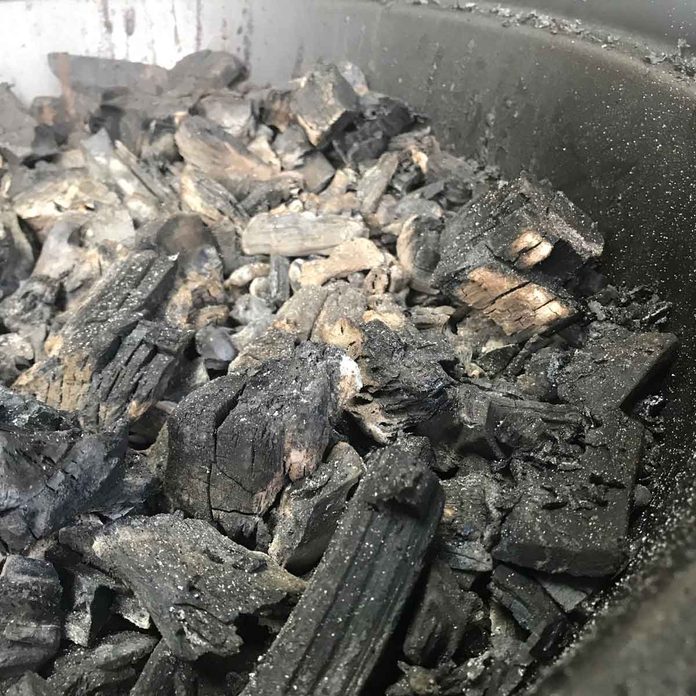
Look for fewer glowing embers and more ash. This shows the charcoal is burning out and needs more fuel.
If cooking slows down or food takes longer, add charcoal. Low heat means the fire is dying down.
- Charcoal looks mostly gray or white
- Grill temperature drops below your target
- Cooking time extends beyond normal
Credit: www.familyhandyman.com
Safe Charcoal Handling
Adding charcoal while cooking can be done safely with the right care. Handling charcoal correctly helps prevent accidents and burns.
Always use proper tools and follow safety tips to keep your cooking safe and enjoyable.
Using Heat-resistant Tools
Use tools that can handle high heat to add charcoal. Metal tongs or heat-resistant gloves protect your hands.
- Choose long-handled tongs to keep distance from heat
- Wear gloves made for heat protection
- Use fireproof mats or surfaces to hold hot charcoal
- Keep a metal bucket nearby to place used charcoal safely
Avoiding Burns And Accidents
Take care to avoid burns and accidents when adding charcoal. Stay alert and keep your cooking area clear.
| Safety Tip | Why It Matters |
| Keep children and pets away | Reduces risk of injury |
| Do not add charcoal too fast | Prevents flare-ups |
| Have water or extinguisher ready | Helps control unexpected fires |
| Dispose charcoal only when cool | Avoids fire hazards |
Types Of Charcoal To Use
Charcoal is a popular fuel for cooking. It adds a smoky flavor to food. Choosing the right type affects cooking results.
There are two main types of charcoal. Each has its own benefits and uses. Knowing the difference helps you cook better.
Lump Charcoal Vs Briquettes
Lump charcoal is made by burning wood in low oxygen. It lights quickly and burns hot. Briquettes are made from compressed charcoal dust and other ingredients.
| Type | Burn Time | Heat Output | Smoke |
| Lump Charcoal | Shorter | Higher | Less |
| Briquettes | Longer | Steady | More |
Lump charcoal burns hotter but faster. Briquettes burn slower and give steady heat. Briquettes often have additives to help burning.
Choosing Quality Charcoal
Quality charcoal makes cooking easier and safer. Look for natural ingredients and no fillers. Avoid charcoal with chemicals or lighter fluid added.
- Check for a clean, natural smell
- Choose charcoal that lights easily
- Pick charcoal that produces little ash
- Avoid brands with artificial additives
- Buy from trusted sources or stores
Credit: globalticltd.co.uk
Proper Lighting Techniques
Adding charcoal while cooking can affect the heat and safety of your grill. Proper lighting techniques help keep the fire steady and controlled.
Knowing how to add and light charcoal safely prevents accidents and improves cooking results.
Igniting Charcoal Safely
Start with dry charcoal and use proper tools to light it. Avoid using gasoline or other unsafe liquids. Let the charcoal ash over before adding more.
- Use a chimney starter for quick, even lighting
- Light charcoal in a well-ventilated area
- Wait until coals turn gray before cooking
- Add charcoal gradually to keep heat steady
- Wear heat-resistant gloves for safety
Avoiding Flare-ups
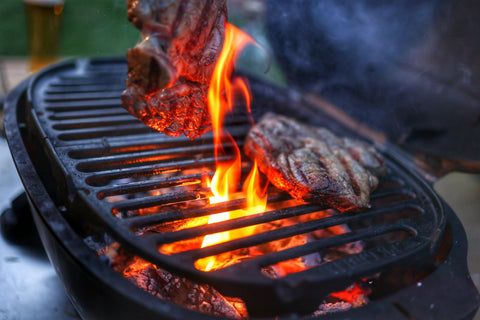
Flare-ups happen when fat drips on hot charcoal. They can burn food and cause danger. Control flare-ups by managing charcoal and food placement.
| Cause | How to Avoid |
| Fat dripping on coals | Trim excess fat from meat |
| Adding too much charcoal at once | Add small amounts gradually |
| Overcrowding the grill | Space food evenly for airflow |
| High flames | Keep a spray bottle of water nearby |
Ventilation And Fire Safety
Adding charcoal while cooking can affect ventilation and fire safety. Proper airflow is important for safe cooking.
Fire safety tools must be ready nearby to handle any accidents quickly and safely.
Ensuring Proper Airflow
Good airflow helps charcoal burn evenly and reduces smoke build-up. Cook in open spaces or areas with vents.
Keep windows or doors open to let fresh air in and smoke out. Avoid cooking in closed rooms without ventilation.
- Use grills with built-in vents
- Keep cooking area free of blockages
- Check airflow before adding charcoal
Keeping Fire Extinguishing Tools Nearby
Always have fire safety tools close when using charcoal. They help stop fires before they spread.
Keep a fire extinguisher, bucket of sand, or water near the cooking area. Know how to use them safely.
- Fire extinguisher suitable for charcoal fires
- Bucket of sand to smother flames
- Water for small flare-ups
- Fire blanket for quick coverage
:max_bytes(150000):strip_icc()/sea-the-good-charcoal-company-lump-charcoal-meghan-splawn-05-006299e5755f47628d8deb581e17015e.jpeg)
Credit: www.seriouseats.com
Cooking Tips For Even Heat
Adding charcoal while cooking can help keep your fire hot. But you need to place it right for steady heat. Even heat cooks food better and avoids burning.
Using charcoal well means knowing how to spread it and control hot and cool zones. These tips make your cooking easier and tastier.
Arranging Charcoal For Consistent Temperature
Place charcoal in a way that keeps the heat steady. Spread the coals evenly in a single layer. This helps avoid hot spots that burn food.
For longer cooking, add new charcoal to the edges. Let the new coals heat up before moving them closer to the center.
- Start with a single even layer of charcoal
- Add fresh charcoal to the outside edges
- Let new coals ash over before mixing
- Move coals gently to keep heat balanced
Managing Hot And Cool Zones
Divide your grill into hot and cool zones to control cooking speed. Use the hot zone for searing and the cool zone for slow cooking.
Move food between zones to avoid burning or undercooking. You can add charcoal to the hot zone to keep it very hot while the cool zone stays lower.
- Keep one side with lots of coals for high heat
- Keep the other side with fewer coals for low heat
- Move food to cooler side to finish cooking slowly
- Add charcoal only to the hot side as needed
Frequently Asked Questions
Can You Add Charcoal During Cooking?
Yes, you can add charcoal while cooking to maintain heat levels. Adding charcoal helps in longer cooking processes, especially for grilling or smoking. However, ensure the charcoal is fully lit before adding to avoid a sudden temperature drop.
Is It Safe To Add Charcoal Mid-cooking?
Adding charcoal mid-cooking is safe if done correctly. Use tongs to carefully place lit charcoal. This maintains consistent heat and avoids food contamination. Always handle charcoal with care to prevent burns or accidents.
Does Adding Charcoal Affect Food Flavor?
Yes, adding charcoal can enhance the smoky flavor of your food. It contributes to the desired charred aroma. Ensure charcoal is fully lit to prevent any unpleasant taste from raw fuel. This enhances the overall taste experience.
How Often Should You Add Charcoal When Cooking?
The frequency depends on your cooking time and heat requirement. For long cooking sessions, add charcoal every 30-60 minutes. This helps maintain a consistent cooking temperature and ensures even cooking throughout.
Conclusion
Adding charcoal while cooking can affect heat and flavor. Always add charcoal carefully to avoid smoke and flare-ups. Use dry, natural charcoal for the best results. Keep safety in mind to prevent accidents. Experiment with small amounts first to see how it changes taste.
Cooking with charcoal adds a smoky touch you might enjoy. Remember, controlling heat is key to cooking success. Simple steps make charcoal cooking easier and safer. Try it and find what works best for you.