
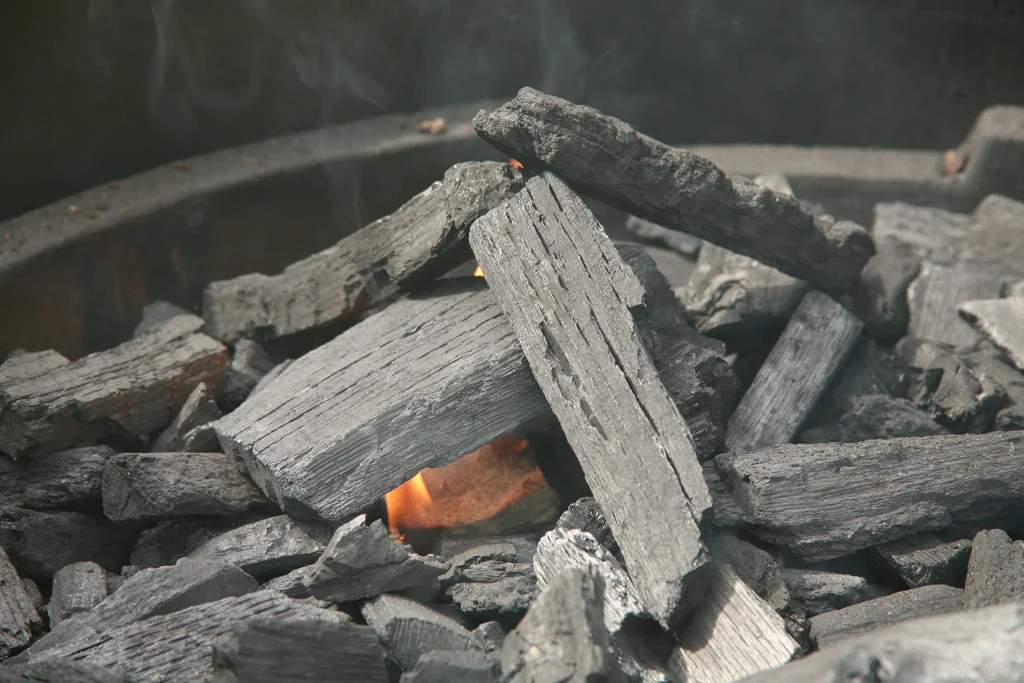
Are you ready to fire up your grill but unsure whether to use lump charcoal or briquettes? Choosing the right fuel can make a big difference in how your food tastes and how easy your cooking experience is.
You might be wondering which one burns hotter, which lasts longer, or which gives you that perfect smoky flavor. This guide will clear up the confusion and help you decide exactly what works best for your grilling style. Keep reading to discover the pros and cons of lump charcoal versus briquettes, so you can master your next cookout with confidence.
Credit: pnpcharcoal.com
Lump Charcoal Basics
Lump charcoal and briquettes are popular fuels for grilling and barbecuing. Understanding lump charcoal helps you choose the right fuel.
This guide covers lump charcoal’s composition, burning traits, and how it affects food flavor.
Composition And Origin
Lump charcoal is made by burning wood in low oxygen. This process removes water and gases, leaving mostly carbon.
- Made from natural hardwoods like oak, hickory, or maple
- Contains no fillers or additives
- Produced by charcoal makers or in kilns
- Varies in size and shape
Burning Characteristics
Lump charcoal lights quickly and burns hotter than briquettes. It also produces less ash during use.
| Characteristic | Lump Charcoal | Briquettes |
| Ignition | Lights fast | Slower to light |
| Heat Output | High heat | Consistent medium heat |
| Ash Production | Low ash | More ash |
| Burn Time | Shorter burn time | Longer burn time |
Flavor Impact
Lump charcoal adds a natural smoky taste to grilled food. Its wood origin gives a clean flavor without chemicals.
Key flavor points:
- Enhances smoky aroma
- Does not add artificial taste
- Works well with all types of meat and vegetables
- Allows the true food flavors to shine
Briquettes Essentials
Briquettes are a popular fuel choice for grilling and barbecuing. They are made from compressed charcoal dust and other materials. Understanding briquettes helps you use them better compared to lump charcoal.
This guide explains key points about briquettes, including how they are made, their burn time, heat, and what additives they contain.
Manufacturing Process
Briquettes are produced by mixing charcoal dust with binders. The mixture is pressed into small, uniform shapes. This process creates a consistent size and density for even burning.
Common binders include starch and other natural adhesives. After shaping, briquettes dry to harden and become ready for packaging.
Burn Time And Heat
Briquettes burn longer than lump charcoal because of their density. They provide steady heat for a longer period, which is ideal for slow cooking.
| Feature | Briquettes | Lump Charcoal |
| Burn Time | 2 to 3 hours | 1 to 2 hours |
| Heat Output | Consistent moderate heat | High heat with spikes |
| Shape | Uniform and compact | Irregular chunks |
Additives And Fillers
Briquettes can contain additives to improve burning and storage. These may include binders, fillers, and ignition aids.
- Binders hold the charcoal dust together.
- Fillers can add bulk and reduce cost.
- Ignition aids help briquettes light quickly.
- Some additives may produce more ash or odors.
Choosing The Right Fuel
Choosing between lump charcoal and briquettes affects your cooking results. Each fuel type has unique features that suit different grilling needs.
Understanding these differences helps you pick the best fuel for your style and preferences.
Cooking Style Considerations
Lump charcoal burns hotter and faster, making it great for quick sears and high-heat grilling. Briquettes burn evenly and last longer, ideal for slow cooking and smoking.
- Use lump charcoal for high heat and fast cooking
- Choose briquettes for steady heat and longer sessions
- Lump charcoal produces less ash
- Briquettes provide consistent temperature control
Flavor Preferences
Lump charcoal gives food a natural smoky flavor because it is made from pure wood. Briquettes may have additives that affect taste but provide a milder smoke.
| Fuel Type | Flavor Profile |
| Lump Charcoal | Strong, natural wood smoke |
| Briquettes | Mild smoke, sometimes with chemical notes |
Budget And Availability
Briquettes are often less expensive and easier to find in stores. Lump charcoal can cost more but may be worth it for the flavor and burn qualities.
- Lump Charcoal:Higher price, less common in some areas
- Briquettes:Affordable, widely available
- Consider local supply and how often you grill
Lighting Techniques
Lighting charcoal is important for a good grilling session. It helps the charcoal burn evenly and reach the right temperature.
Lump charcoal and briquettes need different ways to start. This guide explains simple lighting techniques for both.
Starting Lump Charcoal
Lump charcoal lights faster than briquettes. It burns hotter and cleaner but needs quick attention at the start.
Arrange the lump charcoal in a pile. Use a fire starter or natural kindling to help it catch fire.
- Place lump charcoal in a small mound
- Add dry twigs or paper under the pile
- Light the kindling with a match or lighter
- Let the charcoal burn until gray on the edges
- Spread the coals evenly when ready
Igniting Briquettes
Briquettes take longer to light but burn steadily. They give a consistent heat for a long time.
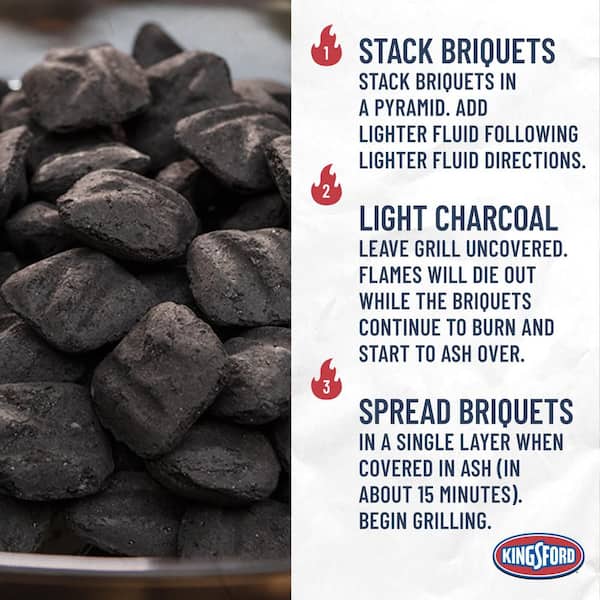
Stack briquettes in a pyramid shape. Use lighter fluid carefully or try other safe methods to start the fire.
- Arrange briquettes in a pyramid
- Spray or pour lighter fluid evenly
- Wait about a minute before lighting
- Light the fire at several points
- Let briquettes burn until covered with ash
Using Chimney Starters
A chimney starter is a metal tube used to light charcoal quickly and safely. It works well for both lump charcoal and briquettes.
Fill the chimney with charcoal. Light a fire starter or crumpled paper under the chimney to heat the charcoal evenly.
- Fill the chimney with lump charcoal or briquettes
- Place a fire starter or paper under the chimney
- Light the fire starter
- Wait 10-15 minutes for charcoal to ash over
- Pour hot charcoal into the grill carefully
Temperature Control Tips
Controlling temperature is key for good grilling. Different charcoal types need different methods.
This guide explains how to manage heat with lump charcoal and briquettes. You will also learn about vents and airflow.
Managing Heat With Lump Charcoal
Lump charcoal burns hotter and faster. You can adjust the heat by adding or removing charcoal pieces.
- Start with fewer lumps for lower heat
- Add more lumps to increase temperature
- Spread lumps for even heat or pile them for a hot spot
- Remove some lumps if the fire is too hot
Adjusting Briquette Burn
Briquettes burn slower and give steady heat. Control temperature by the amount and arrangement of briquettes.
| Action | Effect on Temperature |
| Use more briquettes | Raises temperature |
| Use fewer briquettes | Lowers temperature |
| Arrange briquettes tightly | Concentrates heat |
| Spread briquettes | Distributes heat evenly |
Using Vents And Airflow
Vents control oxygen flow. More air means hotter fire. Less air cools the fire down.
- Open vents fully to increase heat quickly
- Partially close vents to keep steady temperature
- Close vents to slow burn or put out fire
- Adjust vents slowly to avoid sudden temperature changes

Credit: www.youtube.com
Cleaning And Maintenance
Keeping your grill clean helps it last longer and work better. Cleaning after using charcoal keeps ash and grease from building up.
Both lump charcoal and briquettes leave ash, but they need different care. Proper cleaning makes your next grilling easier and safer.
Ash Disposal
Always wait until the ashes are completely cool before cleaning. Hot ashes can cause fires if not handled safely.
Use a metal scoop or brush to remove the ash from your grill. Dispose of ashes in a metal container to avoid accidents.
- Wait for ashes to cool fully
- Use metal tools to scoop ash
- Put ashes in a metal container
- Do not throw ashes in plastic or paper bins
Grill Care After Using Lump
Lump charcoal burns hotter and leaves less ash. Clean the grill grate with a stiff wire brush after cooking.
Wipe the inside of the grill to remove any leftover soot or grease. Oil the grill grate lightly to stop rust.
- Brush grill grate after every use
- Wipe inside grill to remove soot
- Lightly oil grate to prevent rust
Grill Care After Using Briquettes
Briquettes produce more ash, so clean the ash catcher regularly. Remove any leftover pieces that can block airflow.
Clean the grill grate and inside as with lump charcoal. Check vents and air holes to keep them clear and working well.
- Empty ash catcher often
- Remove leftover briquette pieces
- Brush and oil grill grate
- Clear vents and air holes
Common Mistakes To Avoid
Using lump charcoal or briquettes can change how your grill cooks food. Avoiding some mistakes helps you get better results. Learn what to watch out for when using these charcoal types.
Many people misuse charcoal by making simple errors. Fix these to enjoy easier grilling and tastier meals every time.
Overloading The Grill
Putting too much charcoal in your grill causes uneven heat. Too much fuel can make it hard to control temperature. This affects how your food cooks and may burn it.
- Use just enough charcoal to cover the grill’s bottom in a single layer.
- Start with fewer briquettes; they burn longer than lump charcoal.
- Remember, lump charcoal burns hotter and faster, so adjust the amount.
Ignoring Airflow
Charcoal needs air to burn well. Blocking airflow will cause the fire to die or burn poorly. Both lump charcoal and briquettes need good air circulation for best heat.
| Airflow Issue | Effect on Grill | How to Fix |
|---|---|---|
| Too little airflow | Fire smokes and dies out | Open vents or grill lid slightly |
| Too much airflow | Charcoal burns too fast | Close vents partially to slow burn |
| Uneven airflow | Hot and cold spots on grill | Arrange coals evenly and adjust vents |
Mixing Charcoal Types
Mixing lump charcoal and briquettes in one fire causes uneven cooking. They burn at different rates and temperatures. This leads to hot spots and cold spots.
- Use only one type at a time for steady heat.
- Choose lump charcoal for quick, hot fires.
- Choose briquettes for long, steady burns.
- If mixing is needed, add lump charcoal on top to control heat.
Credit: capital.ac.ae
Enhancing Bbq Flavor
Choosing the right charcoal can change your BBQ flavor. Lump charcoal and briquettes burn differently and add unique tastes.
Using extra ingredients can also boost the smoky flavor. Let’s explore ways to improve taste with both lump charcoal and briquettes.
Using Wood Chips With Lump Charcoal
Lump charcoal burns hot and fast. Adding wood chips adds more smoke and flavor.
Soak wood chips in water for 30 minutes. Then place them on hot lump charcoal. This creates rich, smoky flavors.
- Apple wood adds a sweet, mild smoke
- Hickory gives a strong, bacon-like taste
- Cherry wood offers a fruity, rich flavor
Flavor Boosters For Briquettes
Briquettes burn evenly and last longer. They give a steady heat but mild smoke flavor.
You can add flavor boosters like soaked wood chunks or spice blends on the coals. These add extra taste without losing heat.
- Soaked wood chunks for slow smoke
- Herb bundles like rosemary or thyme
- Spice rubs sprinkled on coals
Marinades And Rubs
Marinades and rubs add flavor before cooking. They work well with both charcoal types.
Use simple ingredients like garlic, salt, pepper, and herbs. These help meat absorb smoky flavors better.
- Marinades with soy sauce and lemon juice
- Dry rubs with paprika, cumin, and brown sugar
- Herb pastes with fresh parsley and thyme
Frequently Asked Questions
What Are The Benefits Of Lump Charcoal?
Lump charcoal lights quickly and burns hotter, offering a natural, smoky flavor. It’s made from pure wood, making it a more eco-friendly choice. With minimal additives, it produces less ash. Ideal for high-heat grilling, it provides more control over cooking temperatures, enhancing the grilling experience.
Why Choose Briquettes Over Lump Charcoal?
Briquettes burn longer and maintain a consistent temperature, making them ideal for slow cooking. They are more affordable and widely available. Their uniform shape ensures even heat distribution. However, they contain additives, which can affect flavor, but offer convenience for those who prefer a steady, prolonged burn.
How Does Lighting Differ Between Them?
Lump charcoal lights faster due to its irregular shape and natural wood composition. It requires fewer chemicals for ignition. Briquettes, on the other hand, may need more time and starter fluid. They light evenly due to their uniform shape, offering a consistent burn but may require patience.
Which Is Better For Flavor: Lump Or Briquettes?
Lump charcoal enhances flavor with its natural, smoky aroma, derived from real wood. It imparts a unique taste to grilled foods. Briquettes, while consistent, may have a less pronounced flavor due to additives. For a purer taste and aromatic experience, lump charcoal is often preferred by BBQ enthusiasts.
Conclusion
Choosing between lump charcoal and briquettes depends on your cooking style. Lump charcoal lights faster and burns hotter, perfect for quick grilling. Briquettes burn longer and give steady heat, ideal for slow cooking. Both have pros and cons, so try them to see what suits you best.
Remember, good charcoal makes your food taste better. Experiment and enjoy the unique flavors each type brings to your barbecue. Keep practicing, and you’ll grill like a pro in no time. Happy grilling!